5 Types of Solar Water Heaters: ETC vs FPC vs ICS Compared

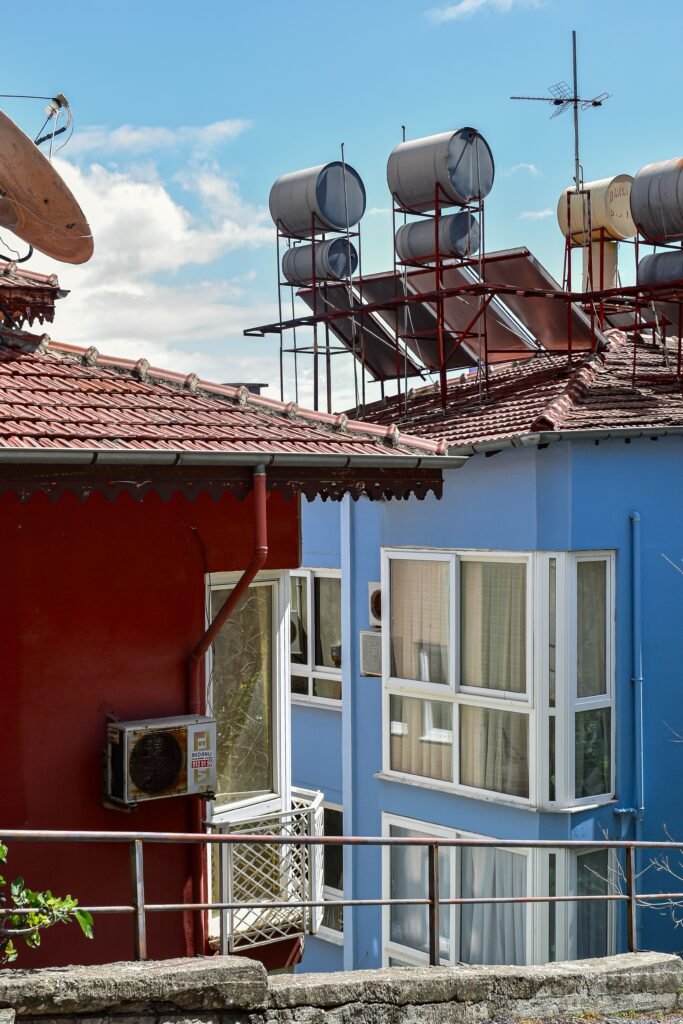
Most conversations about solar water heaters in India quickly land on two abbreviations: ETC and FPC. These two collector types dominate the market, dominate installer recommendations, and dominate most comparison articles, which can leave buyers with the impression that these are the only two options worth knowing.
They are not. The world of solar water heating technology is wider than that, and understanding where ETC and FPC sit within the broader picture of solar thermal systems helps buyers make better, more informed decisions, particularly when a home’s conditions do not fit neatly into the standard ETC-or-FPC choice.
Here is a clear look at all five main types of solar water heaters, what each one is, how it works, and which household situation it actually suits.
First, One Simple Framework
Before getting into each type individually, here is a structural framework that makes the whole picture easier to understand.
Solar water heaters can be divided along two axes. The first is the collector type: how the system captures heat from sunlight. The main collector designs are ETC, FPC, and ICS, each capturing heat differently. The second axis is circulation type: how the heated water actually moves from the collector to the storage tank. Systems are either passive, relying on natural convection without any pump, or active, using an electric pump to circulate water. This passive versus active distinction crosscuts the collector types and produces distinct system designs with their own tradeoffs.
With that framework in place, here are the five types.
1. ETC: Evacuated Tube Collector Systems
ETC systems are the most widely installed type of solar water heater in India, and for good reason. Each collector consists of rows of parallel glass tubes, each one a double-walled cylinder with a vacuum between the inner and outer layers. That vacuum functions like the insulation in a thermos flask, trapping heat inside the tube and dramatically reducing the heat loss that would otherwise occur when ambient temperatures are cool or when wind passes over the collector.
Because each tube traps its own heat independently, ETC systems perform well even when sunlight is partial, diffuse, or arriving at an angle during winter mornings. A shaded or cracked tube reduces only that tube’s output rather than dragging down the whole collector, which is a meaningful resilience advantage.
The tradeoffs are real, though. ETC glass tubes are more fragile than the flat panels used in FPC systems, making them more vulnerable to physical damage from hail, falling branches, or even careless rooftop maintenance work. In very hard water areas, the narrower internal flow paths are more prone to scaling over time compared to the wider copper tubing used in FPC designs.
Suits: Most Indian homes in mild to moderately variable climates, first-time solar water heater buyers, and anyone prioritizing heating performance on cloudy days or during winter.
2. FPC: Flat Plate Collector Systems
FPC systems use a flat, rectangular panel with a dark absorber surface, typically copper or aluminum, through which water flows in a network of embedded tubes. The whole assembly sits inside an insulated, glass-covered box that creates a greenhouse-like environment, trapping heat while protecting the absorber from wind and rain.
FPC systems have been in use longer than ETC systems. They are well understood by installers across India, with a proven track record of long-term reliability, particularly in tough environmental conditions. Their solid, sealed construction handles hailstones, dust storms, and temperature swings significantly better than the glass tubes in an ETC array. Maintenance is also simpler since the flat surface is easier to clean and less prone to component-level failure.
The tradeoff is performance in low-light conditions. FPC systems heat water more slowly than ETC when sunlight is diffuse or indirect, since the flat absorber is less efficient at capturing scattered light than the cylindrical geometry of evacuated tubes. In terms of upfront cost, FPC tends to price higher than equivalent capacity ETC for the same reasons: the materials, particularly copper tubing and tempered glass, cost more to manufacture.
Suits: Homes in hail-prone or dusty regions, areas with hard water, buyers prioritizing long-term durability and minimal maintenance over the lowest upfront price.
3. ICS: Integrated Collector Storage Systems
ICS stands for Integrated Collector Storage, and it represents a fundamentally different design philosophy from both ETC and FPC. Rather than separating the collector and storage tank into distinct components connected by plumbing, an ICS system combines both functions in a single unit. The storage tank itself serves as the collector, sitting directly in the sunlight and absorbing heat through its exposed surface.
This simplicity is ICS’s greatest strength and its most significant limitation at the same time. Because there are no separate pipes, pumps, or heat exchanger components, ICS systems are the simplest and most affordable solar water heater type to install and maintain. A basic ICS batch heater, the most common ICS design, is essentially a black-painted tank or series of tubes in a glazed box mounted on the roof, with cold water fed in from the bottom and hot water drawn from the top by household pressure.
However, because the storage tank is exposed and uninsulated compared to a dedicated, insulated storage vessel, ICS systems lose heat rapidly overnight and in cold weather, making them much better suited to climates with warm nights and relatively mild winters. In most parts of northern India where winter nights drop significantly, this overnight heat loss makes ICS impractical as a primary hot water system. In coastal or southern Indian climates with warmer nights and more consistent temperatures, ICS can serve adequately for a household with modest hot water needs.
Suits: Warm-climate regions with mild nights, simple low-cost installations in coastal or southern India, and households with daytime-only hot water needs.
4. Thermosiphon Systems: Passive Circulation
Thermosiphon systems are not a separate collector type but rather a distinct circulation design that can use either an ETC or FPC collector. They are worth covering separately because the circulation method fundamentally changes how the system is installed, maintained, and priced.
In a thermosiphon system, water circulation happens naturally through convection, with no electric pump required. As water in the collector heats up, it becomes less dense and rises naturally into the storage tank positioned above the collector. Cooler, denser water from the bottom of the tank simultaneously flows down into the collector to replace it, creating a continuous passive circulation loop as long as sunlight is available and heating the collector.
This passive approach eliminates electricity consumption for circulation, reduces maintenance complexity since there are no pump components to service or replace, and is inherently reliable since there are no electrical components that can fail. The constraint is installation geometry: the storage tank must always be mounted above the collector, which is a natural fit for most rooftop installations but can create complications in certain building designs where the collector and tank need to be at the same height or the tank needs to be indoors.
Most ETC and FPC solar water heaters sold in India for residential use are thermosiphon systems, though this is not always stated explicitly in product marketing.
Suits: Standard rooftop installations in most Indian homes where the tank-above-collector geometry is achievable without structural complications, households wanting zero electricity consumption for circulation.
5. Active Solar Water Heater Systems: Pump-Driven Circulation
Active solar water heater systems add an electric circulation pump and a differential controller. This device monitors temperature differences between the collector and the storage tank, and runs the pump when the collector is hotter than the tank. When conditions are right, the pump circulates water through the collector and into the tank. When the sun goes down or conditions are cloudy enough that the collector is no longer warmer than the tank, the controller shuts the pump off automatically.
This pump-driven approach offers flexibility that passive thermosiphon systems cannot provide. The storage tank can be positioned anywhere in the building, not necessarily above the collector, which opens up installation options in homes where roof structural constraints, space limitations, or indoor tank placement are preferred. Active systems can also include more sophisticated controls, including electric backup heating, automated switching between solar and backup power, and integration with smart home systems.
The tradeoffs are additional electricity consumption for pump operation, greater maintenance complexity due to the pump and controller components, and higher installation cost. For most standard Indian residential installations, these tradeoffs make thermosiphon systems the more practical choice. Still, for large buildings, commercial installations, or homes where tank placement flexibility is genuinely required, active systems offer solutions that passive designs cannot.
Suits: Large residential buildings, commercial or institutional installations, homes where indoor tank placement is required, and setups needing sophisticated integration with backup heating or smart controls.
| A Quick Comparison at a Glance | |||||
|---|---|---|---|---|---|
| Type | Collector | Circulation | Upfront Cost | Best Climate | Key Strength |
| ETC | Evacuated tubes | Passive (usually) | Moderate | Variable, cloudy-prone | Low-light heating performance |
| FPC | Flat plate | Passive (usually) | Higher | Harsh, dusty, hail-prone | Durability, hard water tolerance |
| ICS | Integrated tank | Passive | Lowest | Warm nights, mild winters | Simplicity, lowest cost |
| Thermosiphon | ETC or FPC | Passive (convection) | Moderate | Most Indian climates | No pump, zero circulation electricity |
| Active | ETC or FPC | Active (pump) | Highest | Any, flexible | Tank placement flexibility, smart controls |
How to Choose Among These Five Types
For the vast majority of Indian households with a standard rooftop installation, the choice comes down to ETC versus FPC within a thermosiphon passive circulation setup, with the climate and water quality factors from the earlier ETC vs FPC comparison guiding that specific decision.
ICS is worth considering for budget-focused buyers in southern or coastal India with warm nights and modest daily hot water needs, particularly where installation simplicity matters more than maximum performance.
Active systems become relevant when building design constraints prevent the tank-above-collector geometry that thermosiphon systems require, or when a larger commercial or institutional installation justifies the added complexity and cost of pump-driven circulation.
Frequently Asked Questions
Q1: Which type of solar water heater is most commonly sold in India?
ETC-based thermosiphon systems are the most widely sold type across India, combining good performance in variable light conditions, moderate pricing, and straightforward passive installation without pump components.
Q2: What is the main difference between passive and active solar water heaters?
Passive systems, including thermosiphon designs, rely on natural convection to circulate water and use no electricity for circulation. Active systems use an electric pump and differential controller to move water between the collector and tank, offering greater placement flexibility at the cost of added complexity and electricity use.
Q3: Is an ICS solar water heater suitable for North India?
Generally not as a primary system. ICS systems lose heat quickly overnight and in cold weather, since the storage tank is not insulated the way a dedicated tank in an ETC or FPC system is. For regions where winter nights are cold, a thermosiphon ETC or FPC system with a properly insulated storage tank performs significantly better year-round.
Q4: Can I combine FPC collectors with active pump circulation?
Yes. FPC collectors can be used in both passive thermosiphon and active pump-driven systems. The collector type and circulation method are independent design choices, and combining FPC with active circulation is common in larger or more complex installations where flexibility in tank placement is needed.
Q5: Does an active solar water heater cost significantly more than a passive one?
Yes, both in initial installation cost and ongoing running costs. The pump, differential controller, and associated wiring and plumbing add to the upfront cost, and the pump consumes electricity during operation. For typical Indian residential use, the additional cost and complexity of an active system are usually not justified unless building geometry genuinely requires it.
Five types, each solving the same fundamental problem, warm water every morning, through genuinely different means. Knowing where each one fits makes the eventual choice simpler, whether you end up with the most common ETC thermosiphon setup on a residential rooftop or a more specialized system built around the specific constraints of your building and climate.

My work focuses on finding the human stories behind the headlines, from documenting unique cultural traditions to covering stories from communities across Bengal. Previously, I worked as an SEO Content Writer with Penning Down and Collegedunia, combining digital content expertise with newsroom journalism.
I believe impactful journalism is built on accuracy, empathy, and stories that stay with readers.
- Cocoa Butter Formula, Body Massage Lotion for Stretch Marks - April 9, 2016
- Ultra-calming makeup removing wipes - April 9, 2016
- Eczema therapy hand cream - April 9, 2016
Blog Insights
View All CouponTalk Blogs
12 Best LED Lighting Brands In India

10 Best Water Pump Brands In India
10 Best RO Membrane Brands In India
10 Best Electric Wire Brands In India

10 Best Electric Pressure Cooker Brands In India

10 Best Air Fryer Brands In India





8 Best Alloy Wheel Brands In India

Best Modular Switches Brands In India

10 Best Bathroom Air Freshener Brands In India

Best Induction Cooktop Under ₹2000 in India (2026)