How to Protect a Bike from Rain and Rust in India

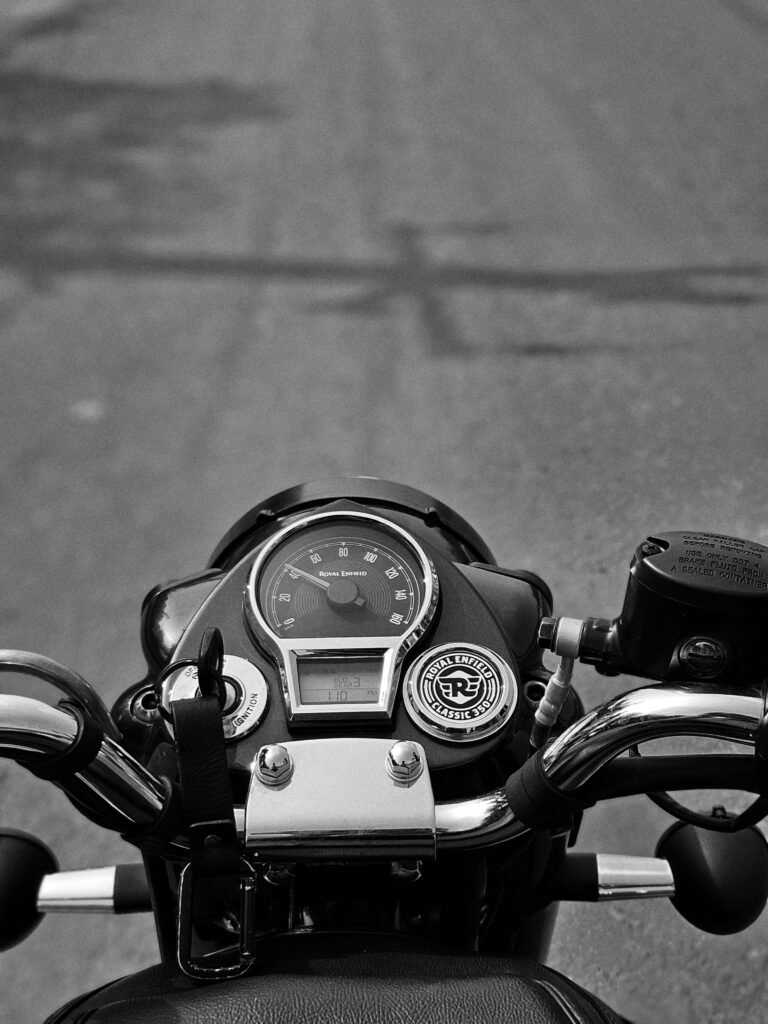
Rain and rust are the two biggest enemies of a bike in India.
The monsoon runs for three to four months across most of the country. During this period, the bike faces constant exposure to water, humidity, and road spray, carrying mud and debris. Rust does not appear overnight. It starts invisibly with scratches, exposed metal edges, and joints where water collects and stays.
By the time rust is visible on the surface, it has often been developing underneath for months. Prevention is significantly cheaper and easier than treatment. This guide covers every practical step to protect a bike from rain damage and rust formation during the Indian monsoon and throughout the year.
Step 1: Wash and Dry the Bike Before Monsoon Season
Starting the monsoon with a clean bike is essential. Old mud, bird droppings, and road grime already on the surface hold moisture against the metal. This accelerates corrosion from the first rain.
What to do:
- Wash the bike thoroughly with mild soap and water.
- Pay particular attention to the underside of the frame, wheel arches, and engine underside, where mud accumulates.
- Rinse completely and dry with a clean microfibre cloth immediately.
- Do not allow water to air dry on the painted surface. Water spots concentrate minerals that accelerate paint degradation.
- Clean the chain thoroughly and lubricate it with a wet chain lubricant before the season begins.
A clean, dry surface takes wax and protective coatings far more effectively than a surface with existing grime.
Step 2: Apply a Quality Wax or Paint Sealant
Paint is the primary barrier between the metal frame and moisture. Maintaining the paint in good condition is the most effective single step in rust prevention.
What to use:
- Carnauba wax: Traditional and effective. Creates a hydrophobic barrier on painted surfaces. Water beads and rolls off rather than sitting on the surface.
- Synthetic paint sealant: Lasts longer than carnauba wax. More resistant to monsoon rain washing it away. Typically, it needs one application before the season.
- Ceramic coating: The most durable option. Professional-grade ceramic coatings last one to two years. Consumer-grade spray ceramic coatings offer good protection at a lower cost.
How to apply:
- Apply to a clean, dry surface only.
- Work in small sections. Apply in thin, even layers.
- Allow to cure according to product instructions before rain exposure.
- Reapply standard wax every four to six weeks during monsoon season.
Step 3: Use Anti-Rust Spray on Exposed Metal
Painted surfaces have some inherent protection. Unpainted metal surfaces and areas where paint has chipped are directly vulnerable to rust formation.
Areas requiring anti-rust treatment:
- Frame joints and welds where paint coverage is thin.
- Exhaust pipe exterior, which cycles between extreme heat and rain exposure.
- Footpeg brackets, handlebar clamps, and other unpainted fastener areas.
- Any area where paint has chipped or scratched to reveal bare metal.
- The underside of the fuel tank is where water collects.
What to use:
- WD-40 or similar water displacement spray: Provides temporary moisture displacement. Useful after rain but not a long-term coating.
- Rust inhibitor spray: Products like Rust-Oleum or similar create a more durable protective layer on metal surfaces. Apply before the monsoon and reapply mid-season.
- Wax-based underbody coating: Applied to the frame underside and hidden areas. Provides long-lasting protection against moisture and road spray.
Step 4: Protect the Chain and Drivetrain
The chain is the most rust-prone component on most bikes. Steel chains exposed to rain without lubrication rust within days. A rusted chain stretches, skips, and ultimately breaks under load.
Chain protection routine:
- Clean the chain with chain cleaner or kerosene before applying lubricant. Applying lubricant over grime traps dirt and accelerates wear.
- Use a wet chain lubricant during the monsoon season. Wet lubricants are formulated to resist water washout better than dry lubricants.
- Apply lubricant to the inner face of the chain where it contacts the sprocket. Excess lubricant on the outer side attracts dust and grime.
- Lubricate the chain every 300 to 500 km during the monsoon season. This is more frequent than dry season requirements.
- Check chain tension regularly. Rust and elongation increase during wet riding.
Sprockets also corrode. Inspect the sprocket teeth for rust and pitting at every chain cleaning. Heavily rusted sprockets accelerate chain wear and should be replaced together with the chain.
Step 5: Cover the Bike When Parked
A waterproof bike cover is the single most effective protection against rain damage during parking periods.
Key requirements for monsoon covers:
- Fully waterproof outer layer. Not water-resistant. Fully waterproof.
- Breathable inner layer to prevent condensation and moisture buildup inside the cover.
- Elasticated hem or drawstrings to prevent the cover from lifting in the wind.
- Heat-resistant material or a waiting period of 20 to 30 minutes after riding before covering.
Even in covered parking that occasionally receives rain spray, a cover prevents incidental water exposure. For bikes parked entirely outdoors, a heavy-duty cover with double-stitched seams is essential.
Never cover a wet bike for extended periods. The moisture trapped inside accelerates rust formation on the very surfaces the cover is meant to protect. Dry the bike before covering, or allow air circulation briefly before sealing the cover.
Step 6: Keep Electrical Connections Protected
Water entering electrical connections causes corrosion, short circuits, and failures that are expensive to diagnose and repair. Indian monsoon rain is particularly problematic because high humidity allows moisture to penetrate connections that would be fine in lighter climates.
Electrical protection steps:
- Apply dielectric grease to all visible electrical connectors. This grease prevents water entry and inhibits corrosion inside the connector.
- Check and replace any cracked or damaged wiring insulation before the monsoon. Cracked insulation allows water to wick along the wire to the connector.
- Ensure the battery terminals are clean and treated with petroleum jelly or a battery terminal protector spray.
- After riding in heavy rain, allow the bike to dry before starting if possible. Accumulated water in electrical components causes more damage at start-up than during actual rain exposure.
Step 7: Dry the Bike After Rain Riding
Water sitting on the bike surface after riding is responsible for a significant proportion of monsoon rust formation. Taking a few minutes to dry the bike makes a measurable difference over a full monsoon season.
Post-rain drying routine:
- Use a clean microfibre cloth to wipe down the tank, seat, and painted panels.
- Pay particular attention to areas where water collects, such as between the engine and frame, under the headlamp housing, and inside mirror bases.
- Avoid wiping a muddy surface. Rinse first if the bike is heavily mud-splashed. Wiping dry over mud deposits scratches the paint.
- Run the engine for a few minutes after parking. Engine heat drives moisture out of the engine bay and exhaust system, significantly reducing internal corrosion.
Step 8: Touch Up Paint Chips Immediately
Every paint chip is a direct path for moisture to reach bare metal. A chip left untouched through a monsoon season can develop into a rust spot with surrounding corrosion that lifts the paint across a much larger area.
How to handle paint chips:
- Identify all chips and deep scratches before the monsoon.
- Clean each chip area with mild soap and dry thoroughly.
- Apply touch-up paint matched to the bike colour. Most manufacturers and accessory shops stock matched touch-up paint pens.
- Allow to dry completely before applying clear coat over the touched-up area.
- For larger scratches or damage, professional paint correction before the monsoon is worth the cost.
Step 9: Service the Brakes and Bearings
Brakes and wheel bearings are directly exposed to rainwater during riding. Moisture that enters bearing housings washes out lubrication and accelerates wear. Brake cables and hydraulic systems also need attention before the monsoon.
Pre-monsoon brake and bearing checks:
- Lubricate brake cables with cable lubricant spray. Wet conditions accelerate cable rusting inside the housing.
- Check brake pad thickness. Worn pads in wet conditions reduce stopping power significantly. Replace if below the minimum thickness.
- Listen for any grinding or roughness in wheel rotation when moving the bike manually. This indicates bearing wear that will worsen through the monsoon.
- If the bike uses drum brakes, check that the brake backplates are clear of mud and that the brake linings are dry before riding.
Step 10: Use Silica Gel Packets in Storage
For bikes stored for extended periods during or after the monsoon, silica gel packets inside the storage cover help absorb ambient moisture. Place two to three packets under the seat or inside the cover near the frame. Replace them monthly during extended storage.
This step is particularly relevant for bikes stored in coastal areas where ambient humidity is extremely high year-round.
Areas Most Prone to Rust on Indian Bikes
Knowing where rust typically starts allows earlier detection and targeted protection.
- Frame underbelly: Water and road spray accumulate here. Paint coverage is often thinner in welded areas.
- Exhaust system: Extreme temperature cycling combined with rain exposure makes exhaust pipes and silencer boxes highly rust-prone.
- Chain and sprockets: Most vulnerable component on the drivetrain.
- Footpeg mounts and brackets: Unpainted or thin-painted brackets corrode quickly.
- Handlebar clamps and stem: Water collects here and drains slowly.
- Wheel spokes: Steel spokes on budget bikes rust from the inside out.
- Fuel tank underside: Water trapped between the tank and frame corrodes both surfaces.
- Swing arm pivot: A sealed area that traps moisture if the seal deteriorates.
Monthly Monsoon Maintenance Checklist
Keep this checklist for monthly checks during the season.
- Wash and dry completely at least twice per month.
- Check chain lubrication and tension.
- Inspect for new paint chips and touch up immediately.
- Reapply wax if water is no longer beading on the tank surface.
- Check electrical connections for any signs of corrosion.
- Inspect brake performance on a wet surface.
- Look for any new rust spots on the frame, exhaust, or exposed metal.
- Ensure the bike cover is in good condition with no tears or failed seams.
Final Thoughts
Rust prevention during the Indian monsoon is entirely achievable with consistent, simple maintenance. None of the steps above requires specialist tools or mechanical expertise. Each step individually makes a difference. Together, they keep a bike looking good and mechanically sound through every monsoon season.
The cost of prevention across a full monsoon is a fraction of what rust repair, repainting, or component replacement costs. A few hours of preparation and consistent monthly attention are all that is required.
The monsoon is predictable. It arrives every year at roughly the same time. Starting preparation a few weeks before the season begins ensures the bike is protected from the first rain rather than scrambling to catch up after damage has already started.
Protect the bike before the rain comes. Rust does not wait.

My work focuses on finding the human stories behind the headlines, from documenting unique cultural traditions to covering stories from communities across Bengal. Previously, I worked as an SEO Content Writer with Penning Down and Collegedunia, combining digital content expertise with newsroom journalism.
I believe impactful journalism is built on accuracy, empathy, and stories that stay with readers.
- Cocoa Butter Formula, Body Massage Lotion for Stretch Marks - April 9, 2016
- Ultra-calming makeup removing wipes - April 9, 2016
- Eczema therapy hand cream - April 9, 2016
Blog Insights
View All CouponTalk Blogs
12 Best LED Lighting Brands In India
10 Best Water Pump Brands In India
10 Best RO Membrane Brands In India
10 Best Electric Wire Brands In India

10 Best Electric Pressure Cooker Brands In India

10 Best Air Fryer Brands In India






Best Modular Switches Brands In India

10 Best ChainSaw Brands In India

8 Best SandPaper Brands In India