Top 5 Best Solar ACs in India: 1-Ton and 1.5-Ton Compared

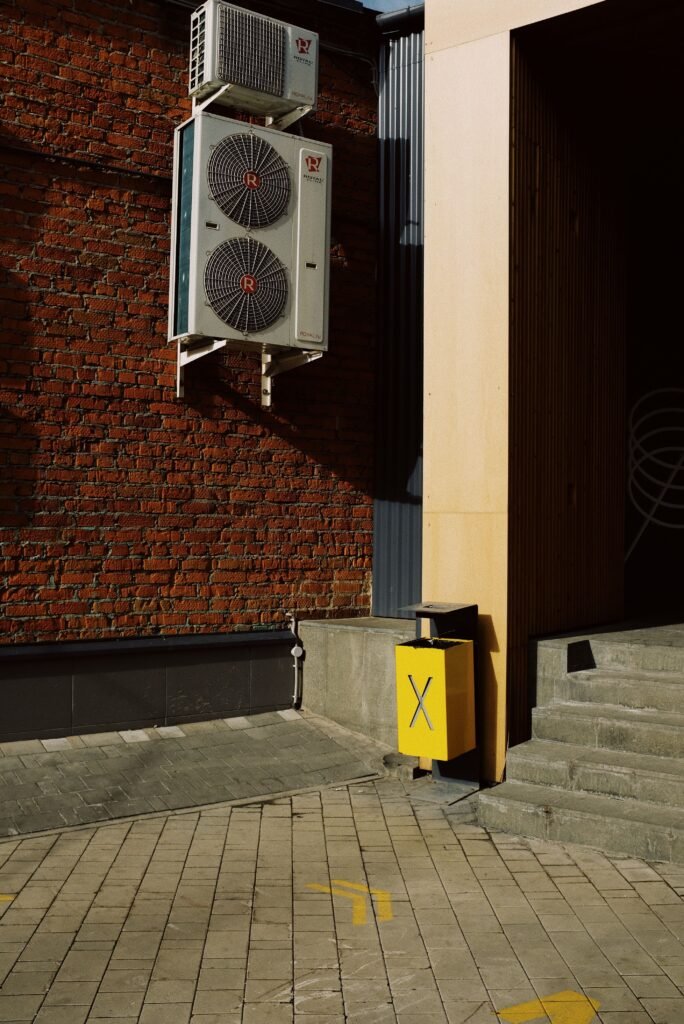
It is the peak of May. The temperature outside is touching 44 degrees. Inside, the air conditioner is running, the room is cool, and somewhere on the rooftop, a set of solar panels is quietly doing most of the heavy lifting.
The electricity meter is barely moving.
That is the promise of a solar AC, and it is a promise that is becoming increasingly real for Indian households in 2026. As electricity tariffs climb and solar panel costs continue to fall, the economics of running an air conditioner on solar power have shifted from aspirational to genuinely practical for a growing number of homes.
But which solar AC is worth buying? Here is a comparison of the top five options available in India right now, covering both 1-ton and 1.5-ton capacities, the two sizes that, between them, cover most Indian bedrooms and small living spaces.
First, a Quick Word on How Solar ACs Actually Work
Before getting into the products, it helps to understand what a solar AC actually is, because there are a few different types in the Indian market, and they are not all the same thing.
A pure DC solar AC runs directly off solar panels and does not need the grid or an inverter battery at all. It works only when the sun is shining, which limits its use to daytime hours but keeps the system cost low.
A hybrid solar AC can run on solar power during the day and automatically switch to grid power at night or on cloudy days. This is the most practical option for most Indian homes, since it delivers solar savings during peak afternoon hours while ensuring uninterrupted cooling around the clock.
An off-grid solar AC runs entirely on solar panels combined with a battery bank, making it independent of the electricity grid. This option suits homes with unreliable power supply but comes with significantly higher upfront costs due to the battery storage requirement.
Most of the best solar AC options available in India today are hybrid systems, and that is what most entries on this list represent.
1. Loom Solar Invertronics 1.5-Ton Hybrid Solar AC: The Complete Package
Loom Solar is one of the most recognized names in India’s rooftop solar space, and its Invertronics solar AC is the product that most cleanly represents what a solar AC in India should do. The 1.5-ton hybrid model is designed to run on a combination of solar panels and grid power, with intelligent switching that prioritizes solar energy during daylight hours and draws from the grid only when needed.
The unit carries a 5-star BEE energy rating, which means that even when it does draw from the grid, it does so efficiently. Installation is supported by Loom Solar’s service network, which is one of the more extensive among solar-focused brands in the country.
For a home in a state with high electricity tariffs and good sunlight availability, such as Rajasthan, Gujarat, or Andhra Pradesh, this solar AC can meaningfully reduce electricity bills from day one of installation.
Best for: Homeowners in high-sunlight states who want a complete hybrid solar AC system from a trusted solar brand with good installation support.
2. Blue Star IC318YATU 1.5-Ton Inverter AC with Solar Compatibility: The Trusted brand Approach
Blue Star is one of India’s most established air conditioning brands. While it does not market this model as a solar AC in the conventional sense, the IC318YATU is a 5-star inverter AC that is fully compatible with solar-powered inverter systems. Paired with a rooftop solar setup, it becomes a highly efficient solar-assisted cooling system.
This approach suits buyers who want the reliability and after-sales support of an established AC brand while still benefiting from solar energy. Blue Star’s service network is among the deepest in India, with technicians available in most cities and towns, which is a genuine advantage in a product category where post-installation support often matters as much as the product itself.
The 1.5-ton capacity is well-suited to medium-sized bedrooms and small living rooms in most Indian climates.
Best for: Buyers who prioritize brand reliability and after-sales service, and plan to pair an established inverter AC with an existing or new rooftop solar installation.
3. Kenstar Solar AC 1-Ton DC Model: The Daytime Cooling Solution
For homes or offices that primarily need cooling during daytime hours, a DC solar AC that runs directly off solar panels without batteries or grid dependency is a cost-effective and practical solution. Kenstar’s 1-ton DC solar model is one of the more accessible options in this category for the Indian market.
Because it draws power directly from the panels, there is no inverter battery to maintain or replace, which keeps long-term costs lower than off-grid systems. The tradeoff is that cooling stops after sunset or on heavily overcast days. For a home office, a shop, or a room that is used primarily during daylight hours, this is a completely acceptable constraint and one that makes the system considerably simpler and cheaper.
The 1-ton capacity makes it suitable for smaller rooms up to approximately 100 square feet, and the solar requirement is typically four to six standard 350-watt panels, depending on panel efficiency and sunlight conditions.
Best for: Small rooms, home offices, or shops that need cooling primarily during daylight hours and want the simplest, most affordable solar AC setup.
4. Voltas 185V Vectra Platina 1.5-Ton with Solar Inverter Pairing: The Value Performer
Voltas is India’s largest-selling air conditioning brand by volume, and the 185V Vectra Platina is one of its strongest 5-star inverter models. Like the Blue Star option, this is an inverter AC that performs at its best when powered through a solar inverter system.
What sets Voltas apart at this price point is sheer value. The Vectra Platina offers solid cooling performance, a 5-star BEE rating, and Voltas’s deep pan-India service presence at a price that makes the total solar AC system cost more manageable for middle-income buyers.
Voltas also offers its own solar energy division, which means buyers interested in a bundled solution, panels plus inverter plus AC, can explore the brand’s solar packages rather than assembling the system from multiple vendors. This single-vendor approach simplifies installation, warranty management, and after-sales coordination.
Best for: Budget-conscious buyers who want a high-volume, well-supported inverter AC to pair with a solar setup, with the option of a bundled installation through Voltas’s own solar division.
5. Genus Solar AC 1-Ton Hybrid: The Off-Grid Ready Option
Genus is a brand that has built its reputation in power electronics and solar solutions in India, and its 1-ton hybrid solar AC reflects that background. What distinguishes the Genus model from others on this list is its flexibility: it can operate in DC solar mode during the day, switch to AC grid power automatically when needed, and can also be integrated with a battery backup for partial off-grid operation.
This makes it one of the more versatile solar AC options available in India, particularly for homes in areas where grid power is unreliable or where frequent power cuts make battery backup a practical necessity rather than a luxury.
The 1-ton capacity suits smaller bedrooms, and the hybrid design means cooling continues even after sunset, unlike a pure DC system. For buyers in tier-2 or tier-3 cities or in rural areas with erratic power supply, the Genus hybrid solar AC addresses a real need that the more grid-dependent options on this list do not.
Best for: Homes with unreliable grid power supply, particularly in tier-2 or rural areas, where flexibility between solar, battery, and grid sources is a practical requirement.
1-Ton vs 1.5-Ton: Which Capacity Do You Need?
Choosing between a 1-ton and 1.5-ton solar AC comes down primarily to room size and climate.
A 1-ton solar AC is generally suited for rooms up to 120 square feet in a moderate climate, or up to 100 square feet in a hot climate such as in Rajasthan or the Deccan Plateau. It draws less power from the solar panels, which means a smaller, less expensive panel array can run it effectively.
A 1.5-ton solar AC handles rooms from 120 to 180 square feet comfortably in most Indian climates, and is the more common choice for standard Indian bedrooms and small living spaces. It requires more solar panel capacity, typically six to eight 350-watt panels for a reasonably solar-powered operation, but delivers better cooling in larger or hotter rooms.
If you are on the borderline, meaning your room is around 120 square feet, and your city gets genuinely intense summer heat, going with the 1.5-ton is the safer choice. Undersized ACs run continuously at full load, which reduces efficiency and lifespan.
What Does a Solar AC System Actually Cost in India?
The price of the solar AC unit itself is only one part of the total investment. A complete solar AC system in India typically includes the air conditioner, the solar panels, a solar inverter or charge controller, wiring and mounting hardware, and installation charges.
For a 1-ton hybrid solar AC setup, the total installed cost typically ranges from 80,000 to 1,20,000 rupees, depending on the brand, panel quality, and local installation rates. For a 1.5-ton setup, expect 1,00,000 to 1,50,000 rupees as a general range.
These numbers may seem high relative to a conventional AC. Still, the payback calculation changes significantly when you factor in daily electricity savings over five to ten years and the falling cost of solar panels year on year. Several state governments in India also offer subsidies on rooftop solar installations that can reduce upfront costs by 20 to 40 percent.
Frequently Asked Questions
Q1: Can a solar AC work at night in India?
A pure DC solar AC does not work at night since it runs directly off sunlight. A hybrid solar AC switches to grid power automatically at night, ensuring uninterrupted cooling. An off-grid solar AC with battery storage can run at night but requires a significant battery investment.
Q2: How many solar panels are needed to run a 1.5-ton solar AC?
A 1.5-ton solar AC typically requires between six and eight solar panels of 350 to 400 watts each for effective solar-powered operation during peak sunlight hours. The exact number depends on your location’s sunlight availability and the efficiency of the panels chosen.
Q3: Is there a government subsidy for solar AC installation in India?
The central government’s PM Surya Ghar scheme and several state government programs offer subsidies on rooftop solar installations. These subsidies apply to the solar panel system and can significantly reduce the total cost of a solar AC setup. Checking with your state’s nodal agency for solar energy is the best starting point.
Q4: Which is better for Indian summers, a DC solar AC or a hybrid solar AC?
For most Indian households, a hybrid solar AC is the better choice. It provides cooling day and night, adapts automatically between solar and grid power, and does not require you to be home during peak sunlight hours to benefit from solar savings.
Q5: Do solar ACs require special maintenance compared to regular ACs?
The AC unit itself requires the same maintenance as a conventional inverter AC: annual servicing, filter cleaning, and refrigerant checks. The solar panels need periodic cleaning to remove dust and bird droppings, which is especially important in dusty regions. The inverter or charge controller should be inspected annually by a qualified solar technician.
Final Thoughts
The idea of running an air conditioner on sunlight once felt like a distant luxury. In 2026, with solar panel prices at historic lows and hybrid technology making the transition seamless, a solar AC is a genuine investment that pays for itself over time and keeps your home cool without guilt.
Pick the capacity your room needs. Pick the system type your power situation demands. And let the sun do the rest.

My work focuses on finding the human stories behind the headlines, from documenting unique cultural traditions to covering stories from communities across Bengal. Previously, I worked as an SEO Content Writer with Penning Down and Collegedunia, combining digital content expertise with newsroom journalism.
I believe impactful journalism is built on accuracy, empathy, and stories that stay with readers.
- Amazon Coupon Code: Up to 70% Off Your Order - October 10, 2024
- Amazon Brand – Solimo 1000ml Stainless Steel Insulated (Thermosteel) Water Bottle | 24 Hours Hot and Cold | Leakproof, Rust and Corrosion Resistant| For Travel, Office, Trekking, Home (Silver) - October 9, 2024
- Panasonic Portable Oral Irrigator/Dental Water Flosser - April 10, 2016
Blog Insights
View All CouponTalk Blogs
12 Best LED Lighting Brands In India

10 Best Water Pump Brands In India

10 Best RO Membrane Brands In India
10 Best Electric Wire Brands In India

10 Best Electric Pressure Cooker Brands In India



10 Best Flood Light Brands In India


10 Best Water Tank Brands In India