How to Check If a Bike Helmet Is ISI Certified

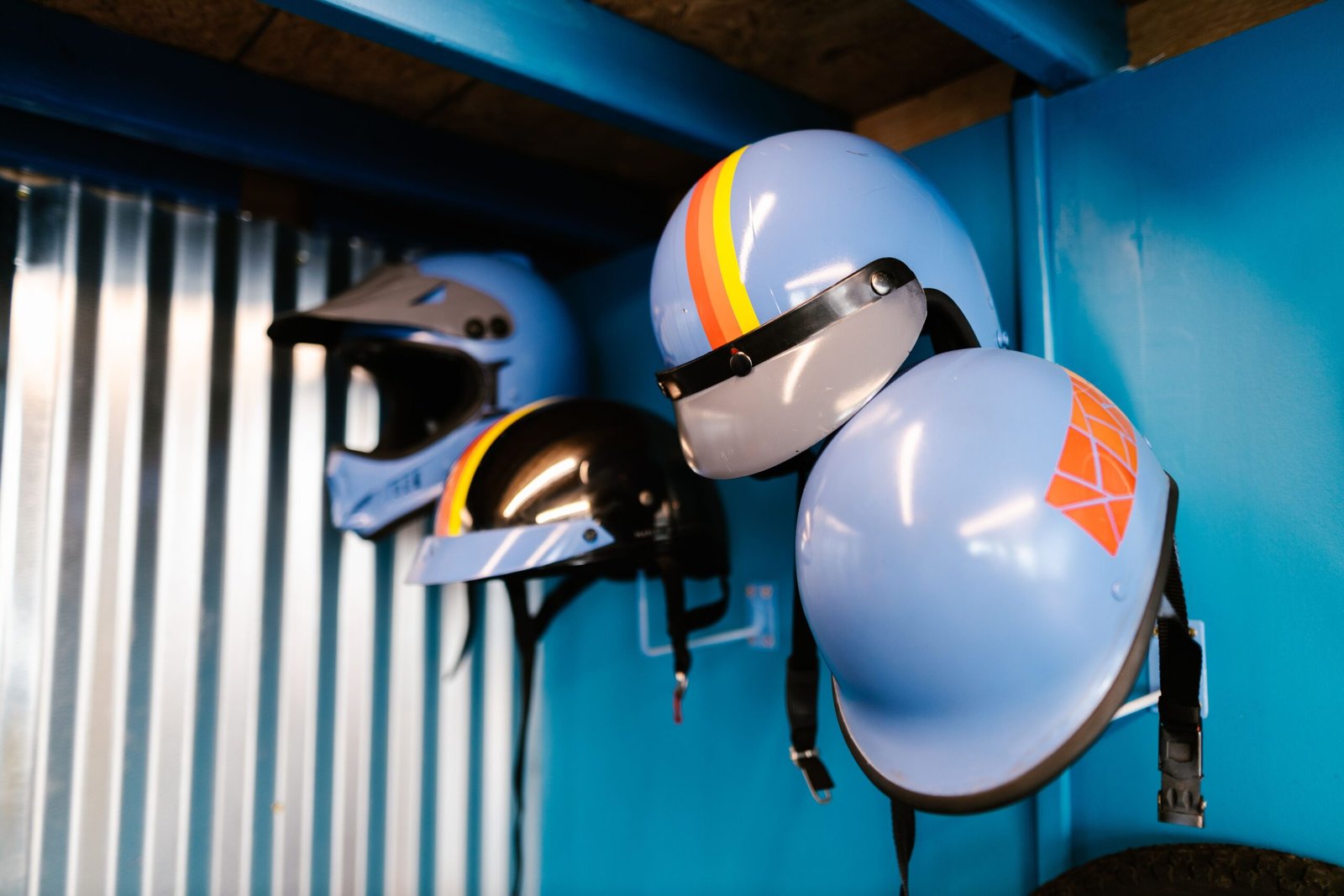
You are standing in a helmet shop. Or maybe you have just received a helmet ordered online. It looks decent. The price seemed fair. And somewhere on the outer shell, there is a small mark that says ISI.
But here is the question that most riders never think to ask: Is that ISI mark real?
In India, the ISI mark on a bike helmet is not just a quality badge. It is a legal requirement under the Motor Vehicles Act, and it signals that the helmet has been tested to Bureau of Indian Standards (BIS) norms for impact absorption, retention system strength, and field of vision. Riding without an ISI-certified helmet is not only dangerous, but it can also get you a challan at the next traffic checkpoint.
The problem is that fake ISI marks are not rare. Counterfeit helmets with printed or stickered ISI logos are widely sold across roadside shops and even some online listings. Knowing how to check if a bike helmet is ISI certified is one of the most practical things a rider in India can know.
Here is exactly how to do it.
Step 1: Look for the ISI Mark and the IS 4151 Standard
The first and most basic check is to look for the ISI mark on the helmet itself. For two-wheeler helmets in India, the relevant Bureau of Indian Standards specification is IS 4151. This number should appear alongside the ISI mark, either printed on the helmet shell or on a label inside the helmet.
If a helmet carries an ISI mark but no mention of IS 4151, that is a warning sign. The mark alone, without the specific standard number, does not confirm genuine certification.
The mark should also include a seven-digit licence number, which is the unique code assigned to the manufacturer by BIS. This number is what distinguishes a real ISI mark from a printed imitation.
Step 2: Find the BIS Licence Number on the Helmet
Every manufacturer that has been genuinely certified by the Bureau of Indian Standards is issued a licence number. This number typically appears as CM/L followed by seven digits, for example CM/L-1234567.
On a legitimate ISI-certified bike helmet, this licence number will be stamped, moulded, or printed either on the outer shell or on a label sewn into the interior lining. It should not look like a sticker that could be peeled off easily, and the printing should be clean and clearly legible.
Write this number down. You will need it for the next step.
Step 3: Verify the Licence on the BIS Care App or Website
This is the step that most riders skip, and it is the most important one.
The Bureau of Indian Standards has a free official app called BIS Care, available on both Android and iOS. It also has a web portal at bis.gov.in where you can verify any ISI licence number.
To check if a bike helmet is ISI certified using the app:
Open the BIS Care app and select the option to verify a licence or product. Enter the CM/L number you found on the helmet. The app will return details of the licensed manufacturer, including their name, location, and the specific product category they are certified for.
If the number returns a result that matches the helmet you are holding, that is a strong confirmation of genuine certification. If the number returns no result, or if the result shows a different product category entirely, the helmet’s ISI mark is almost certainly fake.
Step 4: Check the Hologram Sticker
From 2021 onwards, BIS introduced a holographic sticker requirement for ISI-marked products in India, including helmets. Genuine ISI-certified helmets should carry a BIS hologram sticker in addition to the printed ISI mark and licence number.
This hologram sticker is harder to counterfeit than a simple printed mark. It shifts colour when tilted and contains micro-text that is difficult to reproduce without specialized equipment.
If a helmet has an ISI mark but no hologram, or if the hologram looks dull, flat, or like a regular printed sticker rather than a reflective hologram, treat it as a potential fake and verify the licence number through the BIS Care app before purchase.
Step 5: Check the Physical Quality as a Supporting Signal
While the BIS Care verification is the most reliable method, the physical quality of the helmet also tells a story. A helmet that is genuinely ISI certified has been tested for impact resistance, which means it is built to a minimum structural standard.
Some things to observe:
The shell should feel solid and even across its surface, without thin patches, visible moulding defects, or a hollow sound when tapped lightly. The inner EPS foam liner should be snug and uniform, not loose, thin, or uneven in thickness. The retention system, meaning the chin strap and its buckle, should be firm and show no signs of flimsy stitching or cheap hardware. The visor, if present, should move smoothly and lock into position without rattling.
A helmet that passes the licence number check but feels poorly made is still worth questioning, since not all certified manufacturers produce consistently high-quality products across all batches.
How to Spot a Fake ISI Helmet: Quick Warning Signs
Knowing how to check if a bike helmet is ISI certified also means knowing what a fake one tends to look like. Here are the most common red flags:
The ISI mark is a sticker rather than a moulded or printed part of the shell. There is no CM/L licence number visible anywhere on the helmet or its interior label. The licence number does not appear in the BIS Care app. The price is unusually low, often below 300 to 400 rupees for a full helmet. The interior foam feels thin or compressible, almost like packaging foam rather than EPS. The chin strap hardware is plastic rather than metal, or the strap itself feels like a thin ribbon with no strength. The hologram sticker is absent or looks like a regular printed foil.
Any one of these signs alone is a reason for caution. Multiple signs together mean you should not buy that helmet, regardless of what it says on the outside.
Where Fake ISI Helmets Are Most Commonly Found
Being aware of the likely sources helps you stay alert. Fake ISI helmets are most commonly sold at roadside stalls, weekly markets, and some small local shops where helmets are a sideline product rather than a core business. They also appear on online marketplaces through low-rated sellers with little transaction history.
Buying from established helmet retailers, brand showrooms, motorcycle dealerships, or well-reviewed online sellers with clear return policies significantly reduces the risk of encountering a fake ISI-certified product. Royal Enfield, Hero, Bajaj, and other manufacturer dealerships often stock helmets from reputable brands that come with verified certification.
Frequently Asked Questions
Q1: Is ISI certification mandatory for bike helmets in India?
Yes. Under the Motor Vehicles Act and the rules framed under it, it is mandatory for helmets sold and used in India to conform to IS 4151 and carry the ISI mark. Riding without a certified helmet can result in a fine under traffic law.
Q2: What is the BIS Care app, and where can I download it?
The BIS Care app is an official application from the Bureau of Indian Standards. It is available for free on the Google Play Store and Apple App Store by searching for BIS Care. It allows consumers to verify ISI licence numbers and check product certifications.
Q3: Can a helmet with a real ISI mark still be a poor-quality helmet?
Yes. ISI certification confirms that the helmet meets the minimum requirements of IS 4151 at the time of testing. It does not guarantee premium quality or advanced protection standards. For better safety, helmets with ECE 22.06 or DOT certification in addition to ISI offer more rigorous protection.
Q4: How often does BIS inspect certified helmet manufacturers?
BIS conducts periodic surveillance inspections of licensed manufacturers to verify ongoing compliance. However, the frequency and depth of these inspections may vary. This is why the hologram sticker and licence verification steps remain important even after initial certification is granted.
Q5: What should I do if I suspect I have bought a fake ISI helmet?
You can report the product to the Bureau of Indian Standards through the BIS Care app or through the BIS website at bis.gov.in. BIS has an enforcement wing that investigates complaints about misuse of the ISI mark.
Final Thoughts
A helmet is not a fashion accessory or a compliance checkbox. It is the one piece of equipment that stands between a rider and serious injury in the event of a fall. Taking five minutes to verify an ISI certification before purchase is one of the simplest, most important things any rider in India can do. Once you know what to look for, see the best ISI certified helmets under ₹2000.
Check the mark. Find the number. Verify on BIS Care. Then ride with confidence.

Blog Insights
View All CouponTalk Blogs
12 Best LED Lighting Brands In India

10 Best Water Pump Brands In India
10 Best RO Membrane Brands In India
10 Best Electric Wire Brands In India

10 Best Electric Pressure Cooker Brands In India

10 Best Air Fryer Brands In India




10 Best Car Bass Tube Brands In India


15 Different Types of Sarees In India