UTL Solar Products and Price Guide 2026

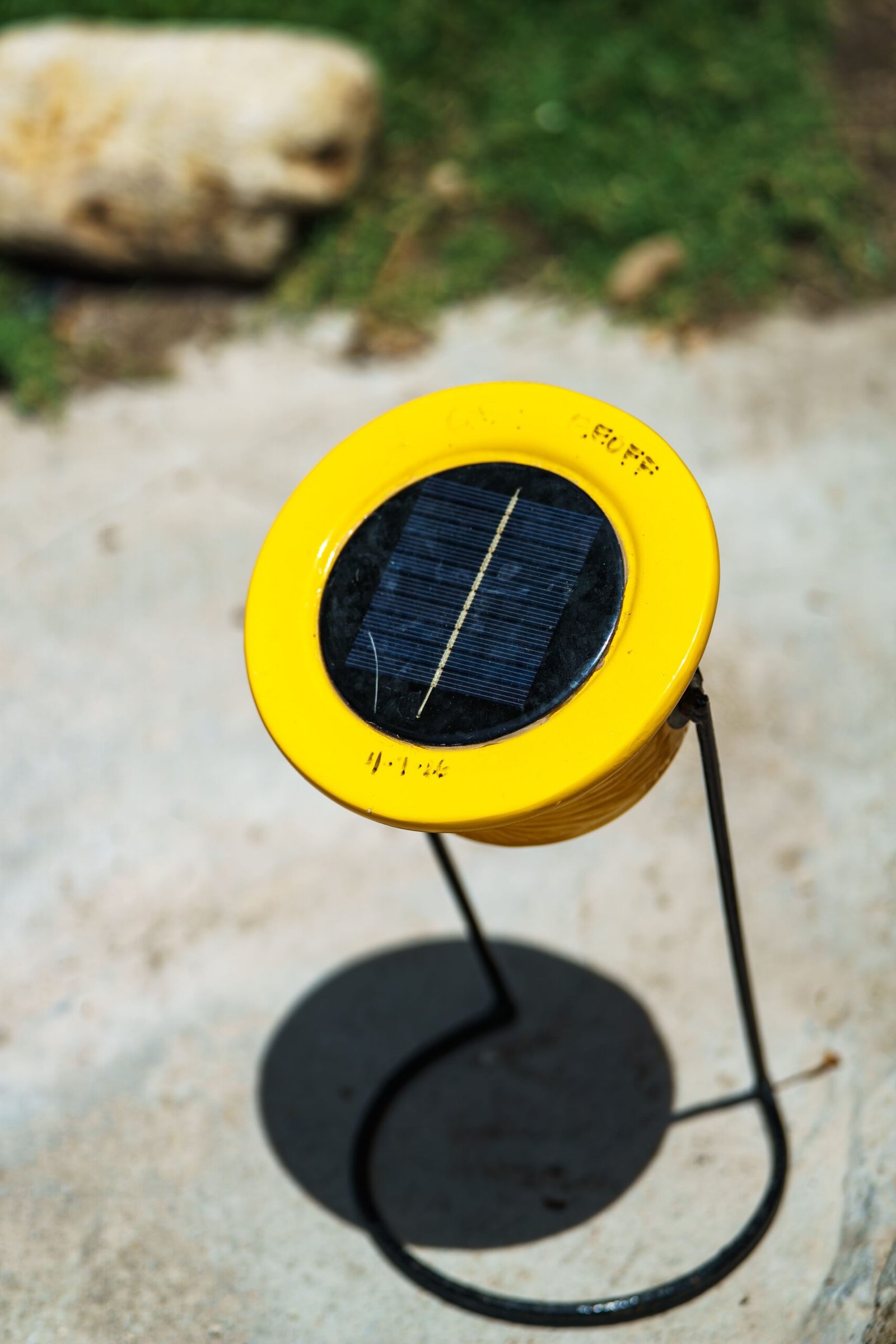
Search for UTL Solar online, and the first thing you will notice is how much ground the brand actually covers. It is not a company that makes one type of solar product and calls it a day. UTL builds panels, inverters, batteries, charge controllers, and complete bundled systems, all under one roof, which is part of why the brand has such a strong following among Indian buyers who want a single point of contact for their entire solar setup.
That breadth, though, makes pricing a little harder to summarize neatly. UTL does not publish one fixed national price list the way a retailer selling a single product would. Prices vary by dealer, by region, by current promotions, and by exactly which technology and capacity you choose. What follows is a practical guide to UTL’s product range and the approximate price ranges you can expect to encounter in 2026, based on current dealer and retailer listings.
A quick note before diving in: treat every price below as an indicative range, not a fixed quote. Solar pricing in India moves with raw material costs, GST changes, and regional dealer margins, so always confirm the current number with a UTL dealer or authorized online store before purchasing.
A Quick Word on UTL Solar as a Company
UTL was founded in 1996 and has grown into a significant brand in India’s power backup and generation space, started by engineers Yogesh Dua and Pawan Gard. The company operates four manufacturing facilities and maintains a wide distributor and dealer network, supported by an R&D team of more than 60 specialists.
Beyond panels and inverters, UTL has supplied solar products to major Indian institutions, including the Indian Army, Air India, and Indian Railways, which is part of why the brand carries credibility well beyond typical residential marketing claims.
On the panel side specifically, UTL manufactures Mono PERC, bifacial, and TOPCon solar panels in both 12V and 24V configurations, spanning capacities from 40W up to 590W, available in both DCR and non-DCR variants, which is a notably wide range covering everything from small backup setups to large rooftop and commercial installations.
UTL Solar Panels: Types and Approximate Pricing
UTL’s panel range is built around three core technologies, and understanding the difference helps make sense of why prices vary so much across listings.
Polycrystalline panels are the older, more affordable technology, recognizable by their blue color, typically running 13 to 17 percent efficiency, though they require more roof space for the same output. Monocrystalline panels are black, more efficient at 17 to 19 percent, and more compact, though somewhat costlier. Mono PERC panels add a rear passivation layer on top of monocrystalline technology, pushing efficiency to 20 to 21 percent with notably better performance in low-light conditions.
In terms of actual pricing, UTL solar panel prices generally start from around Rs.27 to Rs.45 per watt depending on the wattage rating and voltage configuration. Market listings across dealer platforms show a wide spread depending on capacity and seller: smaller panels in the 200W to 350W mono PERC range have been listed anywhere from roughly Rs. 5,800 to Rs. 9,500 per piece, while larger 540W to 590W panels are often priced closer to Rs. 15 to Rs. 17 per watt from various authorized sellers.
For a household sizing a system around a specific appliance, UTL’s own guidance is useful context. Running a 1.5 ton air conditioner typically requires a 2.5 to 3 kW solar PV system, roughly five to six modules rated at 540 to 590 watts each, though actual requirements vary with AC type and usage duration. Similarly, a 150 Ah, 12 V battery generally needs one 330 to 400 watt solar module to fully charge in a day under adequate sunlight, though the exact requirement depends on sunlight hours and system design.
UTL Solar Inverters: Range and Approximate Pricing
UTL’s inverter lineup spans on-grid, off-grid, and hybrid configurations, and this is arguably the category where the brand has built its strongest reputation, given its decades-long background in power electronics before solar became a major focus.
Among its notable models, UTL’s High-Frequency Hybrid Inverter is built for efficient, reliable hybrid performance, with a lightweight, wall-mountable design that integrates solar, grid, and battery power for continuous supply, supporting smart MPPT control and AC-coupled flexibility that allows it to retrofit existing systems or scale up with multiple units in parallel.
For buyers wanting flexibility to start small and expand later, the UTL SUNPLUS PRO allows connection of 12V or 24V solar panels and includes a built-in MPPT charge controller that can boost solar power output by up to 30 percent, while also functioning as a standard inverter that can be upgraded to solar use at any point in the future. For households wanting expanded battery backup without doubling their inverter count, the UTL Gamma Plus series offers two battery backups within a single unit.
On pricing, entry-level UTL solar inverters from various authorized dealers have been listed starting from approximately Rs. 4,000 to Rs. 7,000 for smaller capacity units, with larger hybrid and three-phase models, including UTL’s 10kVA hybrid solar PCU range, priced considerably higher depending on capacity and features. As with panels, these figures vary meaningfully by dealer and region, so treat them as a starting reference rather than a fixed quote.
UTL Solar Batteries: Capacity and Approximate Pricing
Battery pricing follows a fairly predictable pattern tied directly to capacity. UTL solar battery prices start from approximately Rs. 5,949 for a 40Ah battery and go up to around Rs. 26,716 for a 200Ah battery, inclusive of all taxes.
It is worth noting explicitly that these prices can vary by roughly 10 to 12 percent depending on location, ongoing promotions, and dealer availability and are exclusive of any government subsidy, since subsidy eligibility depends on the specific solar system type and the buyer’s individual eligibility.
For buyers running a hybrid or off-grid setup with substantial backup needs, capacity selection should be based on actual daily consumption rather than simply choosing the largest available battery, since oversized batteries add cost without proportional benefit if your typical usage does not require that much stored capacity.
UTL Complete Solar Systems: On-Grid, Off-Grid, and Hybrid Combos
Beyond individual components, UTL positions itself as one of the few brands offering a complete range of solar solutions under one roof, including on-grid, off-grid, and hybrid solar systems designed for homes, businesses, schools, and industries.
UTL’s on-grid solar system is sold as a complete combo package including the solar panel, solar inverter, solar battery (where applicable), mounting structure, wiring, and all necessary accessories, with the on-grid configuration specifically connecting to the utility grid and not including battery backup.
This bundled approach is one of UTL’s key advantages for buyers who would rather deal with one vendor for an entire installation rather than separately sourcing panels, an inverter, and a battery from different brands and coordinating compatibility themselves. UTL backs this with four manufacturing units and over 1,000 dealers, distributors, and service centers across India, which generally translates into easier access to installation support and after-sales service regardless of where in the country you are located.
Where to Buy UTL Solar Products
UTL solar products are available through a few reliable channels, each with its own tradeoffs worth knowing before you commit to a purchase route.
Authorized UTL dealers and local distributors remain the most common purchase path for most Indian buyers, particularly for complete system installations where local installation support matters. UTL’s own online store, along with its broader distributor network, lists current product specifications and approximate pricing directly. Established e-commerce and B2B marketplaces, including major industrial supply platforms, list UTL panels, inverters, and batteries from multiple authorized sellers, which can be useful for comparing prices across different regional dealers, though it is worth verifying seller authenticity and warranty terms before purchasing through these channels. General online retail platforms also stock select UTL battery and accessory products, though full panel and inverter systems are more commonly sourced through dealers given the installation complexity involved.
Whichever channel you choose, confirm three things before finalizing any purchase: the specific wattage or capacity rating matches your sizing requirement, the warranty terms are documented in writing rather than verbally promised, and the seller is an authorized UTL dealer if buying through a third-party marketplace. To compare prices against alternatives, see the top solar inverter brands in India, the best solar panels in India and the lithium vs lead-acid battery guide.
Frequently Asked Questions
Q1: Does UTL Solar actually manufacture its own panels, or does it just sell rebranded ones?
UTL is a genuine Indian solar panel manufacturer with its own production facilities, making Mono PERC, Bifacial, and TOPCon panels across a wide wattage range. This distinguishes it from some smaller brands that purely resell panels manufactured by other companies under their own branding.
Q2: What is the price range for a UTL solar panel in 2026?
UTL solar panel pricing generally falls in the range of roughly Rs. 27 to Rs. 45 per watt depending on the specific wattage and technology chosen, though actual listed prices from individual dealers can vary meaningfully based on region, current promotions, and panel capacity.
Q3: How much does a UTL solar battery cost?
UTL solar battery prices typically range from around Rs. 5,949 for a 40Ah battery up to approximately Rs. 26,716 for a 200Ah battery, with prices subject to a variation of roughly 10 to 12 percent depending on location and dealer.
Q4: Can I buy a complete UTL solar system as a single package?
Yes. UTL offers complete on-grid, off-grid, and hybrid solar system combos that bundle the panel, inverter, battery (where applicable), mounting structure, and accessories together, which simplifies purchasing and installation coordination compared to sourcing each component separately.
Q5: Where is the most reliable place to check current UTL solar prices?
The most reliable approach is checking UTL’s own online store or distributor network directly for current listed pricing, then cross-referencing with a couple of authorized dealers in your region, since prices can shift with promotions, regional logistics costs, and ongoing material price changes.
UTL’s solar range is broad enough that the right purchase decision depends heavily on whether you need a single component or a complete bundled system and on your specific capacity requirements. There is no single fixed “UTL price list” that holds steady across the country, but the ranges above should give you a realistic starting point before you get a formal, location-specific quote from a dealer.

Blog Insights
View All CouponTalk Blogs
12 Best LED Lighting Brands In India

10 Best Water Pump Brands In India

10 Best RO Membrane Brands In India

10 Best Electric Wire Brands In India

10 Best Electric Pressure Cooker Brands In India

10 Best Air Fryer Brands In India






10 Best Pedestal Fan Brands In India



Preethi vs Sujata Mixer Grinder (2026-27): Which One Lasts Longer?