Top 7 Solar Cameras and CCTV Systems for Indian Homes 2026

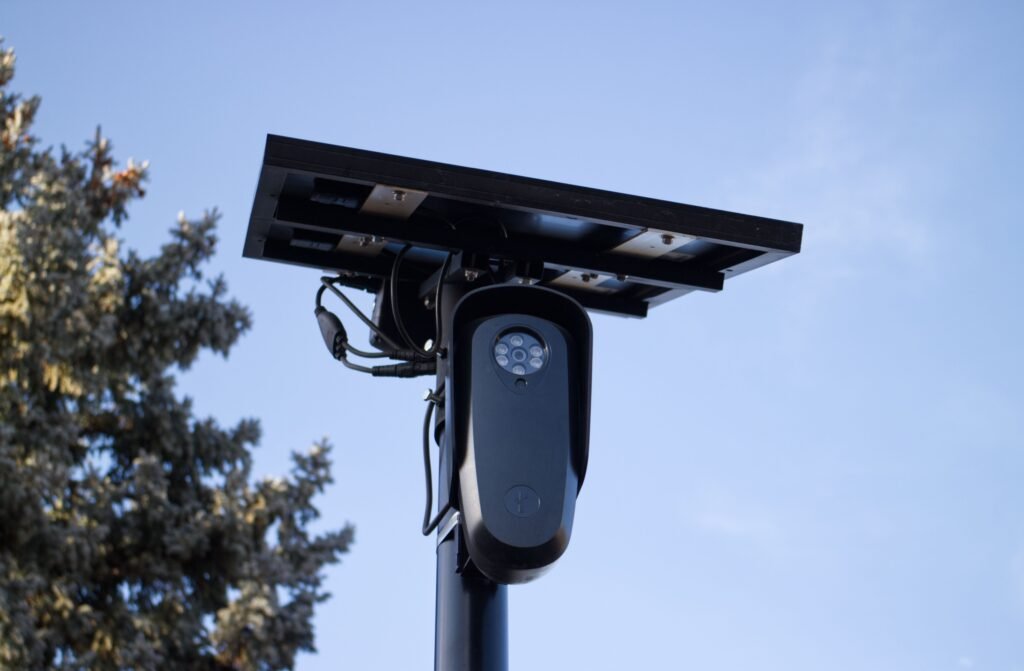
The power cut started at 11 PM. By midnight, someone had pushed open the gate of the house two lanes away. By the time the electricity came back and the wired CCTV system rebooted, the footage was gone and the window to identify anything useful had closed.
This is the specific failure mode that solar-powered CCTV cameras are designed to address, and it is a failure mode that Indian homes understand better than most. A traditional wired CCTV system depends entirely on a continuous power supply. A solar camera with a built-in battery keeps recording through a power cut, through a midnight storm, and through twelve hours of darkness because it charged itself during the day and drew from that stored energy when the grid went down.
In 2026, the Indian solar camera market has matured considerably. Prices have fallen to the point where a capable solar CCTV camera with 2K resolution, color night vision, and mobile alerts costs less than a professional CCTV installer used to charge just for labor. Here is a comparative look at the seven best options for Indian homes right now, across different use cases, connectivity types, and budgets.
Before the List: What Actually Matters for Indian Conditions
Indian homes present a specific combination of challenges that the spec sheet on a solar CCTV camera does not always address directly.
Power cuts are the first. A camera that connects to solar power only works as a genuinely power-cut-proof solution if it has a built-in battery large enough to carry it through the night after a cloudy day. Check the rated battery capacity in milliampere-hours and the claimed standby or continuous recording duration, and apply some healthy skepticism to the upper end of manufacturer claims.
Monsoon weatherproofing is the second. An IP65 rating means the camera is protected against water jets from any direction, which is adequate for most locations under a roof overhang. An IP66 rating offers stronger protection against powerful jets, which matters if the camera is fully exposed. For heavy rainfall zones such as coastal cities, Kerala, and the Northeast, IP66 is the minimum worth considering.
WiFi versus 4G is the third. A WiFi-dependent camera stops sending alerts and remote footage the moment your router goes down or your internet provider experiences an outage, which often happens simultaneously with power cuts in many Indian areas. A 4G SIM-based solar camera maintains connectivity through its own cellular connection regardless of what happens to your home’s power or internet supply, which is a genuinely meaningful security advantage in areas with unreliable connectivity.
1. TP-Link Tap o C425: The Best All-Round WiFi Solar Camera
The TP-Link Tapo C425 delivers 2K QHD resolution, Starlight color night vision, and AI person, pet, and vehicle detection. It also carries a claimed battery life figure that is among the highest in its price segment, though real-world performance depends heavily on how frequently the motion detection triggers and how much actual recording happens each day.
What makes the Tapo C425 a strong choice for most Indian home buyers is the combination of TP-Link’s established brand reliability, genuinely good app experience, and a price point that sits in the accessible mid-range. The Starlight color night vision specifically is worth calling out because it captures color footage in very low ambient light without needing an active spotlight, which means the camera does not announce its presence with a bright light every time it detects movement.
The camera connects over WiFi, which is entirely sufficient for homes with a reliable router and internet connection, and the Tapo app offers live view, motion alerts, and cloud or local SD card storage.
Best for: Urban homes with stable WiFi and consistent internet connectivity that want the best overall package at a reasonable price from a well-known brand.
Approximate price: ₹4,999 to ₹6,999 depending on configuration and retailer.
2. CP Plus CP-Z44R: The Indian Market Stalwart with 4G Independence
CP Plus dominates India’s CCTV market with over 25 percent market share, and the CP-Z44R brings that credibility into the solar security camera segment with 4G SIM connectivity, a built-in battery, and solar panel charging for complete wireless independence.
The 4G connectivity is the most important differentiator here. Unlike a WiFi camera that goes dark when your router or internet connection fails, the CP-Z44R maintains its connection and continues sending alerts and remote access through its own cellular link. 360-degree PTZ rotation covers the entire property from a single mount, full-color night vision captures clear footage after dark, and CTC Cyber Secure Technology protects against hacking and firmware tampering.
CP Plus also brings the practical advantage of nationwide service support. If something goes wrong, finding an authorized service point or replacement parts in almost any Indian city is considerably easier with CP Plus than with an imported or less widely distributed brand.
Best for: Homes in areas with unreliable internet or frequent power cuts where 4G cellular connectivity is genuinely more dependable than WiFi. Also a strong choice for anyone who values widespread local after-sales support.
Approximate price: ₹6,500 to ₹9,000 depending on retailer and configuration.
3. EZVIZ CS-HB8 2K 4G Solar: The Feature-Complete Premium Pick
EZVIZ is backed by Hikvision, which is the global leader in CCTV systems and the technology foundation behind the CS-HB8. This camera packs 2K resolution, 4G SIM connectivity, color night vision, PIR human detection, and a solar panel into a single integrated unit that requires no external wiring whatsoever beyond inserting a SIM card.
The Hikvision parentage brings a level of image processing and compression efficiency through H.265 encoding that meaningfully extends local storage life compared to older compression formats, effectively doubling the amount of footage you can store on the same-sized SD card. For homes that rely on local SD storage rather than paid cloud subscriptions, this is a genuine practical benefit rather than a marketing number.
The CS-HB8 also supports two-way audio, which lets you speak to whoever is near the camera from your phone, a useful feature for Indian homes where verifying the identity of a delivery person or gate visitor remotely is a regular need.
Best for: Buyers who want Hikvision-grade image quality and reliability in a fully solar, 4G-connected camera and are willing to pay a modest premium for that technical pedigree.
Approximate price: ₹7,000 to ₹10,000 depending on variant and retailer.
4. Godrej ACE Pro Green: The Indian Brand with Smart Home Integration
Godrej is one of the most trusted consumer brand names in India, and its ACE Pro Green solar camera brings that brand assurance to the home security space with a feature set that specifically includes Alexa voice assistant compatibility, a two-year warranty backed by Godrej’s nationwide service network, and an app experience designed around the Indian consumer.
The Alexa integration allows the camera to be controlled alongside other smart home devices, which matters more as Indian homes increasingly use smart speakers and home automation systems. For buyers who are already in an Alexa or Google Home ecosystem, having a security camera that speaks the same language is a genuine convenience.
The Godrej warranty and service network are real practical advantages in a category where cheaper alternatives leave buyers with limited recourse when something fails. A two-year warranty from a brand with physical service centers across the country is worth meaningfully more than a one-year warranty from a brand that exists primarily as a listing on Amazon.in.
Best for: Buyers who prioritize brand trust, after-sales support, and smart home integration, particularly those already using Alexa-enabled devices at home.
Approximate price: ₹5,500 to ₹8,000 depending on configuration.
5. Trueview 4G Solar 4MP: The Farmhouse and Remote Property Specialist
Trueview has built its reputation specifically in the solar CCTV space in India rather than treating solar as a secondary feature added onto a primarily WiFi camera business. The 4G Solar 4MP model is designed explicitly for situations where there is no existing WiFi infrastructure at all: farmhouses, agricultural land, weekend properties, construction sites, and remote commercial locations.
The solar panel is included in the box rather than sold as a separate accessory, which simplifies the purchase and ensures the panel is matched to the camera’s actual power requirement rather than requiring the buyer to calculate compatibility. The 4G connectivity works with major Indian SIM cards and provides reliable remote access from anywhere a cellular signal reaches.
The 4MP resolution delivers sharper footage than a standard 2MP camera, particularly useful for identifying faces and number plates at the gate distances typical of an Indian farmhouse or independent property boundary.
Best for: Farmhouses, agricultural land, construction sites, or any remote property without existing WiFi where 4G cellular connectivity is the only practical option.
Approximate price: ₹4,500 to ₹6,500, including the solar panel.
6. Imou Cell Go Solar Kit: The Flexible Upgrade Path
Imou is a brand that has built strong credibility in the Indian outdoor camera segment through a combination of competitive pricing and reliable hardware, and their Cell Go paired with Imou’s own solar charging panel creates a flexible solar camera system where the camera and solar panel are matched but can be positioned independently of each other.
This matters more than it initially sounds. Most integrated solar cameras fix the panel position relative to the camera, which means the camera must face the direction that maximizes solar panel exposure rather than the direction that maximizes security coverage. With the Imou Cell Go kit, the panel and camera are connected by a cable and can be positioned separately, letting you point the camera at the gate while pointing the panel at the most sun-exposed patch of wall or roofline independently.
The camera itself supports 2K resolution, color night vision with a built-in spotlight, AI human detection, two-way audio, and IP67 weatherproofing, making it one of the more weather-resistant options on this list.
Best for: Buyers whose ideal camera placement and ideal solar panel placement are not in the same direction or who want the flexibility to optimize each independently.
Approximate price: ₹5,000 to ₹7,500 for the camera and panel kit.
7. Camate Stellar 4G SIM Solar: The Budget 4G Option
Camate is a smaller brand but one that has consistently appeared in the Indian solar camera conversation for offering 4G SIM connectivity at a price point well below what most established brands charge for the same feature. The Stellar model is a PTZ camera with solar charging, 4G SIM support, motion detection, and color night vision in a package that makes 4G solar security accessible to buyers who cannot stretch to the CP Plus or EZVIZ price range.
The trade-off is the brand’s smaller service footprint. If something goes wrong with a Camate camera, online support through the brand’s own channels is the primary avenue rather than a physical service network. For buyers comfortable troubleshooting through an app or replacing a unit under warranty by post, this is a manageable trade-off for the price advantage.
Best for: Budget-conscious buyers who specifically need 4G connectivity for a remote or power-unreliable location and for whom the price gap between Camate and the larger brands is a decisive factor.
Approximate price: ₹3,500 to ₹5,500 depending on configuration.
WiFi vs. 4G Solar Cameras: The Decision That Matters Most
If there is one choice that shapes everything else in this category, it is whether you choose a WiFi solar camera or a 4G solar camera, and this choice should be driven entirely by your actual connectivity situation rather than by price alone.
A WiFi solar camera is the right choice if your home has a stable, reliable internet connection that stays up even when the electricity cuts, either through a UPS on your router or through a battery backup on your internet equipment. In this scenario, a WiFi camera is cheaper, simpler to set up, and perfectly capable of performing its security function.
A 4G solar camera is the right choice if your internet connection goes down with the power, if your property is remote and lacks broadband connectivity altogether, or if you want true independence from both the electricity grid and the internet infrastructure simultaneously. The extra cost of a 4G camera is the cost of that independence, and in Indian conditions it is often genuinely worth it.
Storage: SD Card, Cloud, or Both?
Every camera on this list supports local storage via a microSD card, which means footage is saved on the device itself without a monthly subscription fee. This is the most common setup for Indian home users and works well as long as the card is periodically formatted, checked for failures, and sized appropriately for the recording frequency.
Most cameras on this list support SD cards up to 128GB to 256GB. At 2K resolution with H.265 compression, 128GB typically holds between seven and fourteen days of motion-triggered recordings, which is sufficient for most home security needs.
Cloud storage options are available on most of these cameras through paid subscription plans, which add a monthly or annual cost but provide off-site backup that is not compromised even if the camera or SD card is physically stolen or damaged. For high-value properties or for buyers who want an unbroken recording chain, cloud storage as a supplement to local SD is worth the additional cost.
Frequently Asked Questions
Q1: How many hours of sunlight does a solar camera need to stay charged in India?
Most solar cameras on this list require three to five hours of direct sunlight per day to maintain full charge under normal motion-detection-only recording conditions. In monsoon months with extended cloud cover, cameras with larger built-in batteries, typically 5,000 mAh and above, hold up better through consecutive cloudy days than smaller-battery models. Cameras placed under roof overhangs that shade the panel will charge significantly slower than those in open, south-facing positions.
Q2: Can these cameras work through an Indian monsoon?
Yes, provided the camera carries at least an IP66 waterproof rating and is mounted in a way that does not allow standing water to pool around the housing. The lens cover and SD card slot are the most vulnerable points. All seven cameras on this list carry sufficient weatherproofing for outdoor Indian use, though models with IP67 ratings offer an additional margin of protection in the heaviest rainfall zones.
Q3: Which SIM cards work with 4G solar cameras in India?
Most 4G solar cameras on this list support standard Indian SIM cards from Jio, Airtel, and Vi. Jio coverage is generally the strongest in rural and semi-urban areas, which is where 4G solar cameras are most commonly used. Always verify SIM compatibility with your specific camera model before purchasing the SIM, since some models have network preferences or band limitations that affect which providers work optimally.
Q4: Do these cameras keep recording during a power cut?
Yes, this is the primary advantage of a solar camera with a built-in battery. The camera continues recording and sending alerts from its battery reserve during a power cut. The duration it can sustain this depends on the battery capacity and how frequently motion events trigger recordings. Cameras with 5,000 mAh or larger batteries typically sustain twelve to twenty-four hours of operation on battery alone under normal motion detection conditions.
Q5: Do solar cameras require professional installation?
For most of the cameras on this list, no. Solar cameras are specifically designed for DIY installation and come with mounting hardware, screws, and anchors in the box. Placement involves choosing the right wall position, drilling two to four holes, attaching the mount, and connecting the camera. The 4G models additionally require inserting a SIM card. Total installation time for a single camera by a reasonably handy person is typically fifteen to thirty minutes. Professional installation is only worth considering for multi-camera setups where cable routing and angle optimization across several positions benefit from experience.
Solar CCTV cameras in 2026 have crossed the threshold from interesting experiment to genuinely practical home security for Indian conditions. They charge during the day, record through the night, stay online during power cuts, and alert you in real time regardless of what is happening to your electricity grid. The question for most buyers is not whether a solar camera makes sense, but which one matches their connectivity situation, their property type, and how much they want to spend doing it properly.
Pick the connectivity type your location actually demands. Match the battery size to your monsoon cloud cover. And let the sun do the rest of the work.

My work focuses on finding the human stories behind the headlines, from documenting unique cultural traditions to covering stories from communities across Bengal. Previously, I worked as an SEO Content Writer with Penning Down and Collegedunia, combining digital content expertise with newsroom journalism.
I believe impactful journalism is built on accuracy, empathy, and stories that stay with readers.
- Cocoa Butter Formula, Body Massage Lotion for Stretch Marks - April 9, 2016
- Ultra-calming makeup removing wipes - April 9, 2016
- Eczema therapy hand cream - April 9, 2016
Blog Insights
View All CouponTalk Blogs
12 Best LED Lighting Brands In India

10 Best Water Pump Brands In India

10 Best RO Membrane Brands In India

10 Best Electric Wire Brands In India

10 Best Electric Pressure Cooker Brands In India

10 Best Air Fryer Brands In India





11 Different Types of Air Conditioners

10 Best Car Bass Tube Brands In India

15 Types of Panties For Girls & Ladies