How Long Does a Bike Helmet Last in India?

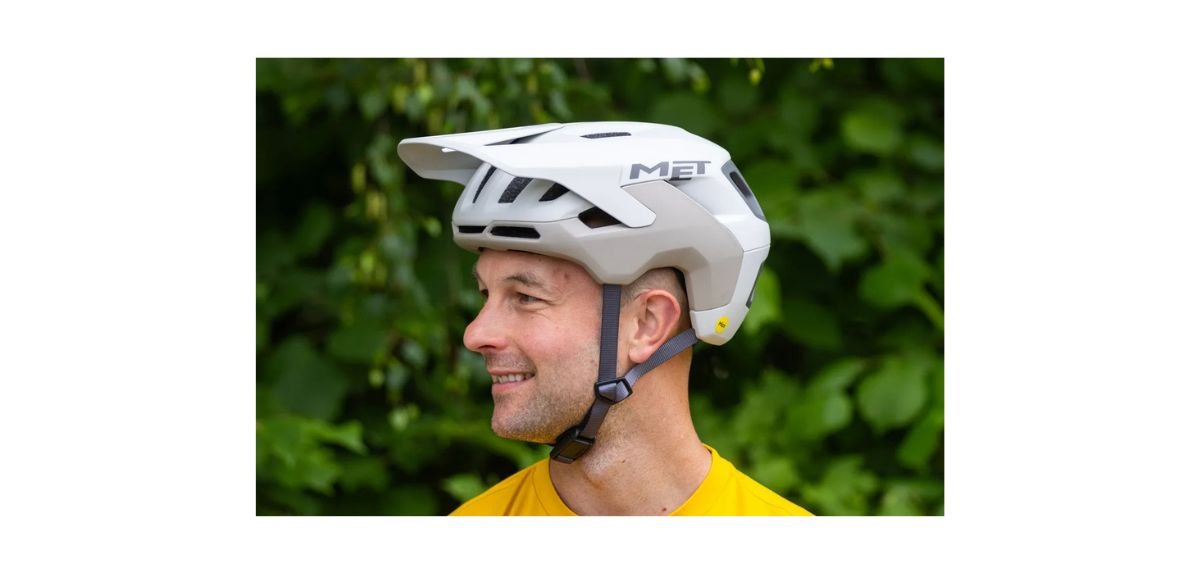
Picture this. A helmet sits on a hook behind the door. It has been there for years. A few scratches on the outside. The straps a little faded. The foam inside slightly compressed. But it still looks like a helmet. It still feels like a helmet.
So it must still work like one, right?
This is one of the most common and most dangerous assumptions riders make across India every single day. A helmet that looks fine on the outside can be silently failing on the inside, long before it ever touches the road in a crash.
Here is the truth about how long a bike helmet really lasts in India, and why that number matters more here than almost anywhere else.
The Global Rule: 3 to 5 Years
Start with the baseline. Experts and helmet manufacturers universally agree that a bike helmet lasts between 3 and 5 years from the date of first use. This is not a marketing trick to sell more helmets. It is based on how the materials inside a helmet behave over time.
A helmet has two main jobs. The hard outer shell resists penetration and distributes the force of an impact. The soft EPS foam liner inside absorbs the energy of a crash, compressing to protect your skull and brain. Both of these materials degrade over time, regardless of how carefully you treat the helmet.
The glue holding layers together weakens. The resins in the foam harden. The straps and buckles lose elasticity. None of this is visible from the outside. It happens invisibly, at a material level, while your helmet sits quietly on that hook behind the door.
Why India Makes This Shorter
The 3 to 5 year guideline was built around moderate, temperate climates. India is neither moderate nor temperate for most of the year. This matters enormously.
The Sun Is the Biggest Enemy
India’s UV intensity is among the highest in the world. The sun that powers solar panels with such efficiency also quietly destroys helmet materials. UV rays break down the polycarbonate or ABS outer shell, making it brittle over time. A shell that was once flexible enough to absorb impact energy gradually becomes rigid and prone to cracking.
What makes this especially dangerous is that UV damage is invisible. The helmet looks the same. The color might fade slightly. But you cannot see the molecular breakdown happening inside the material.
For Indian riders who park their bikes in direct sunlight, hang helmets on handlebars through scorching afternoons, or store them on open shelves near windows, this UV exposure compounds daily. A helmet that might last 5 years in a cooler European climate may genuinely start losing its structural integrity in 3 years or less in Rajasthan, Gujarat, or Tamil Nadu summers.
Heat Does Its Own Damage
Beyond UV, raw heat is a problem. When a helmet sits inside a hot parked vehicle or bakes in the afternoon sun, the EPS foam liner can soften and subtly deform. The glues binding layers together weaken faster at high temperatures. Even the padding inside, the soft comfort layer against your head, breaks down faster under sustained heat exposure.
Most Indian riders have left a helmet in a car during summer. That single afternoon of 60-degree interior temperatures does more damage than weeks of normal use.
Sweat and Humidity Add to the Mix
India’s humidity, especially during monsoon months, adds another layer of degradation. Sweat contains salts and oils that slowly break down the foam and padding from the inside. In humid conditions, moisture seeps into the foam, and repeated wet-dry cycles weaken the material over time.
Combine heavy sweating during a summer commute with inadequate drying time and occasional monsoon dampening, and the interior of a helmet degrades faster than the exterior ever shows.
The One Rule That Has No Exceptions
Beyond the 3 to 5 year guideline, one rule stands completely apart. Replace your helmet immediately after any crash, no matter how minor it looks.
EPS foam is a one-time material. It works by crushing to absorb impact energy. After crushing, even partially, it cannot return to its original protective state. A fall at low speed, a drop from the back of a bike onto concrete, even a tip-over at a traffic light can compress the foam in ways that are completely invisible from the outside.
Many Indian riders drop their helmets regularly, hang them on mirrors where they fall, or toss them into the footwell of a vehicle. Each of these impacts chips away at the foam’s ability to protect in a real crash. The helmet that survives a dozen small drops and one minor accident may look perfectly fine while being nearly useless in the crash that actually matters.
How to Know When It Is Time
You do not always need to wait for the 3 year mark. Your helmet will often tell you it is ready to retire. Look for cracks, dents, or discoloration on the outer shell. Check the foam inside for hardness, brittleness, or visible compression. Test the straps for fraying, stiffness, or buckles that do not click firmly. Smell the inside. Persistent odor that does not go away after airing is a sign the materials are breaking down.
If any of these signs appear before the 3 year mark, replace the helmet without hesitation. Your safety does not negotiate with your budget.
Storage Makes a Real Difference
One of the simplest ways to extend a helmet’s useful life is where you keep it. Store your helmet in a cool, dry, shaded place when not in use. Keep it off the bike seat in direct sun. Keep it out of the car during summer afternoons. A small helmet bag or a dedicated hook inside the house can add months to the life of the material.
Avoid storing helmets near petrol, solvents, or cleaning chemicals, since these can damage the shell and foam without leaving visible marks.
The Honest Bottom Line
For Indian riders, the honest answer is this. Aim for 3 years as your replacement target rather than 5. The combination of intense UV exposure, extreme heat, high humidity, and typical storage habits in Indian conditions accelerates material degradation beyond what the global guideline accounts for.
A helmet is not a one-time purchase. It is a renewable layer of protection that earns its cost every single time you put it on. When it reaches the end of its life, the only right move is to replace it, because the consequences of not doing so are simply not worth it. When it is time to replace, measure with the helmet size guide and compare trusted Indian helmet brands.
Frequently Asked Questions
Q1: Can I use a helmet that is more than 5 years old if it looks fine?
Visually inspecting a helmet is not enough to confirm its protective ability. The EPS foam degrades at a molecular level that is invisible to the eye. A helmet beyond 5 years should be replaced regardless of appearance.
Q2: Does dropping a helmet once really damage it?
A single drop from a significant height onto a hard surface can crack the EPS foam internally. If you drop your helmet from handlebar or table height, inspect it carefully and consider replacement, especially if it is already more than 2 years old.
Q3: How do I find the manufacture date on my helmet?
Most helmets have a label inside the shell, near the back or under the padding, that shows the month and year of manufacture. Some brands stamp the date directly into the inner shell.
Q4: Is an expensive helmet worth replacing on the same 3-year schedule?
Yes. The price of a helmet reflects features, comfort, and brand, not an extended lifespan. All helmets, budget or premium, use EPS foam that degrades on the same timeline. An expensive helmet worn beyond its lifespan offers no more protection than a cheap one.

Blog Insights
View All CouponTalk Blogs
12 Best LED Lighting Brands In India

10 Best Water Pump Brands In India
10 Best RO Membrane Brands In India
10 Best Electric Wire Brands In India

10 Best Electric Pressure Cooker Brands In India

10 Best Air Fryer Brands In India