Best USB Voltmeter for Bike in India

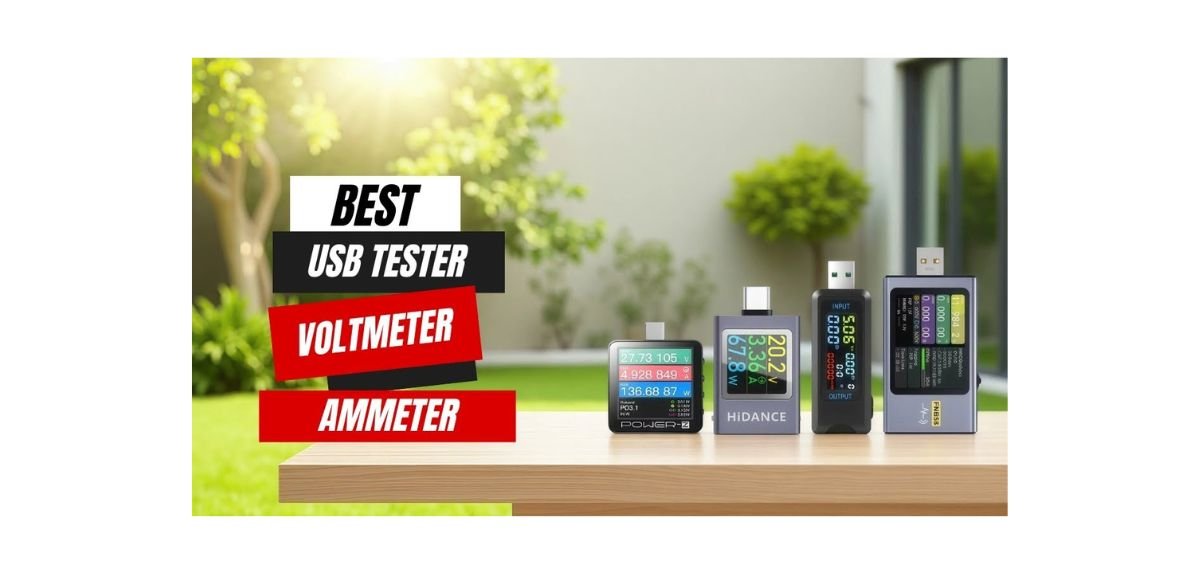
Your bike starts a little slower on a cold morning. You shrug it off, ride to work, and the next morning it is slower again. By the time the battery actually dies, usually at the worst possible moment in a parking lot with nobody around to help, you have had at least two weeks of warning signs you simply could not see, because nothing on your bike was telling you the one number that mattered: battery voltage.
A USB voltmeter for bikes in India fixes exactly this blind spot. It is a small plug-in or hardwired device that shows your battery’s voltage in real time, often alongside a USB charging port, and it costs less than a tank of petrol. For a part this cheap, the amount of warning it gives you about a failing battery, a weak charging system, or a loose connection is genuinely disproportionate to the price.
Here is how to actually pick the right one, since the market for these is a little different from most bike accessories. Most of what you will find on Amazon, Flipkart, and local accessory shops are generic devices manufactured in bulk and sold under dozens of different storefront names. The same physical product might appear as five different “brands” depending on which seller is listing it that week. So instead of chasing a brand name, the smarter approach is to understand the types and features that actually matter and choose based on those.
Best USB Voltmeter for Bike
The Two Main Display Types
LED Digital Display
This is the most common and most affordable type found in India. It uses a small bank of LED digits, usually red, blue, or green, to show the voltage reading as a number like 12.6 or 13.4. Some variants also show a rough battery percentage instead of or alongside the voltage figure.
LED displays are bright, easy to read even in direct sunlight, and tend to be the cheapest option, typically priced between ₹150 and ₹350. The trade-off is that they usually show only one piece of information at a time, voltage or percentage, and the displays are sometimes a touch oversaturated in bright daylight, making the numbers slightly harder to read at certain viewing angles.
LCD Display
LCD voltmeters use a small screen similar to a basic digital watch, and they can pack in more information at once, sometimes showing voltage, temperature, and a battery icon together. They tend to be marginally more expensive, usually ₹250 to ₹600, and the readability in bright sunlight is occasionally worse than LED, since LCD screens rely on ambient light reflection rather than emitting their own light, though most modern units include a backlight that solves this for night riding.
For most riders, this choice comes down to personal preference rather than one being objectively better. If you ride mostly during the day in bright sun, an LED tends to be the easier read. If you want more data displayed simultaneously and ride at night fairly often, a backlit LCD is the better fit.
Voltmeter Only vs. Voltmeter with USB Charging
This is the more important decision than display type, because it changes what the device actually does for you day to day.
Voltmeter-Only Units
These simply display the voltage and nothing else. They are the cheapest option, often under ₹250, and the simplest to wire in, since there is no charging circuit to worry about. If your only goal is to keep an eye on battery health and catch a failing battery before it leaves you stranded, this is all you need.
Voltmeter with Dual USB Charging Ports
These combine the voltage display with one or two USB output ports, letting you charge your phone while riding in addition to monitoring battery voltage. Given how dependent most riders now are on phone-based navigation, this combination unit has become the more popular choice, and pricing typically sits between ₹350 and ₹800 depending on the output current rating and build quality.
The detail worth checking carefully here is the maximum current output, usually listed as something like 3.1A or 2.4A combined across both ports. A higher current rating charges your phone faster, but it also draws more current from your bike’s electrical system, so check that the unit includes proper overcurrent and short-circuit protection, which nearly all halfway decent units do, rather than assuming a higher number is always better without that safety feature confirmed.
Voltage Range: Make Sure It Matches Your Bike
The USB voltmeter for bikes in India is rated for a wide input range, commonly 5V to 48V, which comfortably covers every standard 12V motorcycle and scooter electrical system in the country with significant headroom. This wide range is mostly there so the same product can be sold for cars, motorcycles, and even some 24V or 48V electric vehicles without needing separate variants.
For a standard petrol motorcycle or scooter, you do not need to think hard about this number. Almost any unit you find will comfortably handle your bike’s 12V system. Where it does matter is if you own or plan to fit this on an electric scooter or e-bike with a higher voltage battery pack, in which case you should confirm the unit’s rated range actually covers your battery’s voltage rather than assuming the standard 5-48V rating applies, since some budget units are less accurate or reliable near the upper end of their stated range.
Waterproofing: Not Optional in India
Given how much of India deals with genuine monsoon rainfall for several months a year, and given that this device usually sits exposed on or near the handlebar, waterproofing is not a nice-to-have feature. It is close to mandatory.
Look specifically for a product description that mentions a waterproof rating or, at minimum, describes the housing as sealed or weatherproof. Most decent units use a rubberized or silicone-sealed casing around the display face, which keeps water out during rain, riding, and washing. Units that do not mention any water resistance at all are a real risk, since a few months of monsoon exposure is often enough to cause the display to fog up internally or stop working entirely.
This is genuinely the single feature most worth paying a little extra for, even if it means spending ₹100 to ₹150 more than the cheapest option you find.
Mounting Style: Handlebar Clamp vs Adhesive vs Hardwired Panel Mount
Handlebar Clamp Mount
These come with a clamp that wraps around your handlebar or mirror stem, similar to a phone mount. This is the easiest installation method and does not require drilling or permanent modification, making it the better choice if you are not confident doing electrical work yourself or if you might want to move the unit to a different bike later.
Panel or Hole Mount
These are designed to be mounted through a drilled hole in a plastic panel or the bike’s existing dashboard area, secured with a nut on the back. This gives a cleaner, more integrated look but requires drilling into your bike’s bodywork, which is a more permanent decision. This style is more popular among riders who want the voltmeter to look like a factory-fitted gauge rather than an obviously aftermarket accessory.
Adhesive or Velcro Mount
The simplest option, using a sticky pad or Velcro strip to attach the unit to a flat surface near the handlebar. This works fine for lighter units but is the least secure option over time, particularly on bumpy roads, and adhesive can weaken in extreme heat, which is a real factor during Indian summers.
How to Actually Wire One In
Most USB voltmeters for bikes come with two simple wire leads, sometimes ending in ring terminals and sometimes bare wires. The standard installation connects directly to your battery terminals or to a switched 12V source, such as the wire feeding your tail light or instrument cluster, so that the unit only draws power and displays a reading when the bike’s ignition is on.
Wiring directly to the battery terminals means the voltmeter display stays on permanently, even with the bike off, which lets you check voltage anytime but also means a small continuous power draw, normally negligible for the device itself, is worth being aware of if your bike sits unused for very long stretches. Wiring to a switched ignition source avoids this entirely and is the slightly better choice for most riders.
If you are not confident identifying the correct wires on your specific bike’s harness, this is one of the few accessories on this list genuinely worth having a mechanic fit for you, since a wrongly connected unit can, at worst, drain your battery or blow a fuse. The actual installation cost at most local mechanics is minimal, usually ₹50 to ₹150 in labor, against the risk of getting the wiring wrong yourself.
How to Read the Numbers Once It Is Installed
Once fitted, the number on the display tells you a surprising amount about your bike’s electrical health if you know what to look for.
With the engine off, a healthy 12V lead-acid battery should read somewhere between 12.4 and 12.8 volts. A reading consistently below 12.2 volts with the engine off suggests the battery is undercharged or beginning to weaken.
With the engine running, the voltage should rise to somewhere between 13.5 and 14.8 volts, which indicates the charging system, the alternator or stator, and the regulator-rectifier are properly topping up the battery while you ride. If the voltage does not rise meaningfully above the resting figure once the engine is running, that is an early warning sign of a charging system fault, well before it becomes serious enough to leave you stranded.
This single piece of information, available at a glance every time you ride, is exactly why this accessory punches so far above its price point.
Frequently Asked Questions
Q1: Will a cheap unbranded voltmeter give an accurate reading?
Most budget units sold in India are accurate to within roughly 0.1 to 0.2 volts of the true reading, which is more than sufficient for everyday battery health monitoring. You are not running a calibration lab; you are watching for a trend over weeks and months, so this level of accuracy is genuinely fine for the purpose.
Q2: Can installing a voltmeter drain my battery if I leave the bike parked for a long time?
If wired directly to the battery terminals rather than through a switched ignition source, yes, there is a small continuous draw, though it is usually very minor. If you park your bike unused for more than two or three weeks at a stretch, wiring it through a switched source or disconnecting the battery terminal during long storage avoids this entirely.
Q3: Does the USB charging port affect the voltmeter’s accuracy?
On a well-made unit, no, the charging circuit and the voltage display circuit are designed to function independently. On very cheap units with poor internal design, charging a phone at the same time can occasionally cause a small voltage drop visible on the display, which is one more reason to choose units with proper protection circuitry rather than the absolute cheapest option available.
Q4: Is it normal for the voltage to fluctuate while riding?
Yes, small fluctuations of a few tenths of a volt are completely normal as the engine RPM changes and the charging system responds. What is worth paying attention to is a sustained drop rather than momentary movement, particularly any reading that drops below 12 volts while the engine is running, which would indicate the charging system is not keeping up with electrical demand.
Q5: Can I fit this myself without any electrical knowledge?
If your unit comes with a simple connector that plugs into your existing wiring harness near the headlight or taillight socket, yes, this is a beginner-friendly job. If it requires identifying and splicing into specific wires using a multimeter to confirm polarity, it is safer to have a mechanic do it, particularly on bikes with sensitive electronic components where a wiring mistake could cause more than just a blown fuse.
A USB voltmeter is one of the rare accessories where the cheapest reasonable option does almost everything the expensive one does. Pick a waterproof unit with the mounting style that suits your bike, decide whether you actually need the USB charging feature, and get it wired in properly. The next time your battery starts to weaken, you will see it coming weeks before it becomes a problem at the worst possible time.

My work focuses on finding the human stories behind the headlines, from documenting unique cultural traditions to covering stories from communities across Bengal. Previously, I worked as an SEO Content Writer with Penning Down and Collegedunia, combining digital content expertise with newsroom journalism.
I believe impactful journalism is built on accuracy, empathy, and stories that stay with readers.
- Cocoa Butter Formula, Body Massage Lotion for Stretch Marks - April 9, 2016
- Ultra-calming makeup removing wipes - April 9, 2016
- Eczema therapy hand cream - April 9, 2016
Blog Insights
View All CouponTalk Blogs
12 Best LED Lighting Brands In India

10 Best Water Pump Brands In India
10 Best RO Membrane Brands In India

10 Best Electric Wire Brands In India

10 Best Electric Pressure Cooker Brands In India

10 Best Air Fryer Brands In India





7 Best Car Battery Brands In India
Best Phone Mount for Pulsar 150, 220, and NS200

8 Best Tarpaulin Brands In India

10 Best Wall Fan Brands In India
Best Phone Mount for Royal Enfield Classic 350