Best 7 Solar Geysers for Indian Homes (300L Buyer’s Guide)

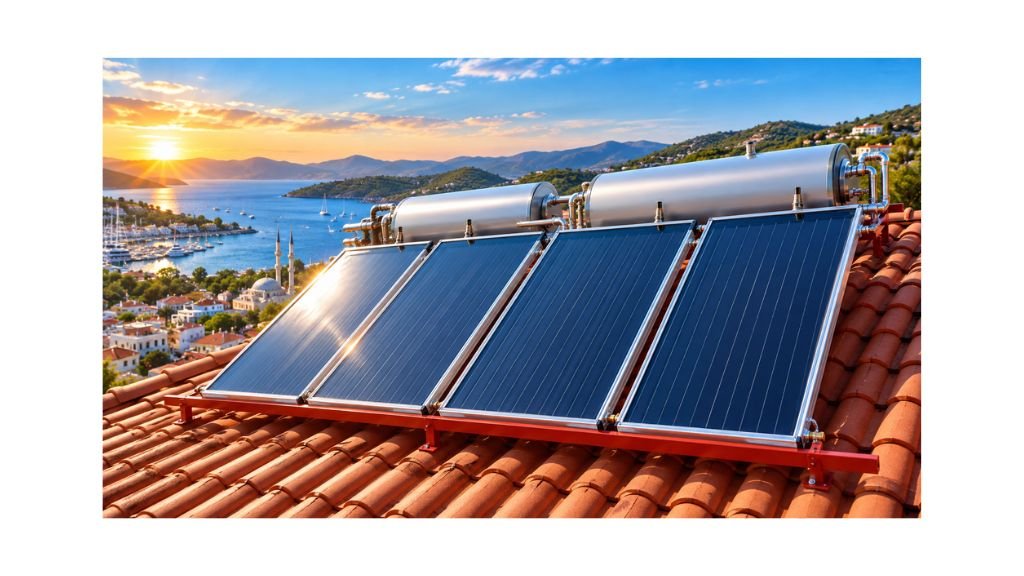
A 300-liter solar geyser is squarely a whole-household decision, not an individual bathroom fixture, generally sized for a family of five to seven, a hostel or PG with shared bathrooms, or a small guesthouse rather than a single flat. At that size, the purchase decision genuinely matters more than at the smaller 100L or 150L end of the market. The reason is the upfront cost involved, and because the single most important technical choice, flat plate versus evacuated tube collectors, has real, lasting consequences that most buyers only discover after installation.
This guide covers seven established solar geyser brands worth considering for a 300L system, plus an honest breakdown of the FPC versus ETC decision that matters more than which brand name is on the tank.
The Decision That Matters More Than Brand: FPC or ETC
Before comparing brands, every 300L solar geyser buyer in India faces the same critical decision, and making the wrong choice is the most common cause of buyer regret in this category.
Flat Plate Collectors (FPC) use a flat, glazed metal absorber panel to collect solar heat, a simpler and more robust design that handles India’s hard water conditions, common across large parts of North and West India, considerably better than the alternative. FPC systems are less prone to scaling-related damage and generally have a longer practical service life in hard water regions, though they are somewhat less efficient in low-sunlight or cold conditions and typically cost a bit more upfront for the same rated capacity.
Evacuated Tube Collectors (ETCs) use a series of vacuum-sealed glass tubes, which capture heat more efficiently, particularly in cooler climates, cloudy conditions, or during winter months, and are generally more affordable at a given capacity. The downside is that the individual glass tubes can get scaling and mineral buildup more easily in areas with hard water, and when a tube cracks or scales, it’s a more noticeable repair than what you usually see with an FPC system, but you can often replace just the tubes without changing the whole system.
The practical rule most installers in India actually follow: if your local water is hard, particularly common in cities across Rajasthan, Gujarat, Delhi NCR, and parts of Punjab and Haryana, FPC is the safer long-term choice despite the higher upfront cost. If your water is comparatively soft and your priority is efficient heating through India’s cooler winter months, ETC offers a genuinely better cost-to-performance ratio. Checking your local water hardness, or simply asking a local installer who has serviced systems in your specific area, is worth doing before choosing a brand, since it narrows the field before price and features even enter the conversation.
The 7 Solar Geyser Brands Worth Considering for a 300L System
1. Racold
One of the most established names in Indian water heating, Racold’s solar range includes both FPC and ETC options, with models like the Alpha Pro and Omega MAX built around a Duronox stainless steel tank and a magnesium sacrificial anode for internal corrosion protection, backed by a commonly cited 5-year warranty on the system.
Best for: Buyers who want a well-established brand with strong service network coverage across most major Indian cities and both collector types available under one product line. Trade-off: Sits toward the premium end of pricing relative to some of the more solar-specialist brands on this list.
2. V-Guard
Best known in India for electrical and stabilizer products, V-Guard’s solar water heater range has built a reputation specifically around handling hard water conditions well, an important consideration given how many Indian regions actually deal with hard water at the tap.
Best for: Buyers in hard water areas who want a widely trusted, non-solar-specialist brand with strong general after-sales support. Trade-off: The solar-specific product range and service specialization are narrower than dedicated solar water heater brands, since solar is one product line among V-Guard’s much broader electrical catalog.
3. Venus
A long-established Indian brand specifically known for water heater durability in tough water conditions, Venus offers both instant electric and solar storage lines, with the solar range built around corrosion-resistant tank construction aimed at extending service life in hard water regions.
Best for: Buyers prioritizing long-term tank durability over the most cutting-edge features, particularly in areas with known hard water issues. Trade-off: Less known specifically for solar heating innovation compared to dedicated solar brands, positioned more as a durability-first choice than a features-first one.
4. Supreme Solar
A brand more specifically focused on the solar water heating category rather than water heaters broadly, Supreme Solar has built a customer base, particularly among budget-conscious buyers looking for reliable core performance without paying for extras they won’t use.
Best for: Buyers prioritizing value and straightforward, no-frills solar performance over premium branding or additional smart features. Trade-off: Fewer premium features and a less extensive dealer network in some regions compared to the larger, more diversified brands on this list.
5. Sudarshan Saur Shakti
A newer name relative to some of the decades-old brands on this list, Sudarshan has built its positioning specifically around sustainable design within the solar water heating category, appealing to buyers who want a brand whose primary focus is genuinely solar rather than a broader electrical appliance company that happens to also sell solar geysers.
Best for: Buyers who prefer a solar-specialist brand over a general electrical appliance company’s solar product line. Trade-off: As a comparatively newer, more emerging name in the category, it has a shorter public track record than the more established brands on this list, worth weighing against the appeal of its solar-first positioning.
6. Havells
Havells brings its broader reputation for design-forward, feature-rich home appliances into the solar water heating space, generally positioned toward the premium end of the market with an emphasis on build quality and aesthetics alongside core solar performance.
Best for: Buyers who want a premium, widely recognized brand with strong general after-sales infrastructure and are willing to pay somewhat more for it. Trade-off: Pricing sits at the higher end of this category, and the brand’s core strength remains its broader appliance reputation rather than deep solar water heating specialization.
7. Emmvee Solar
A dedicated solar energy company with a broader manufacturing base spanning solar panels and solar water heating systems, Emmvee brings genuine solar-specific manufacturing depth to its water heater range, which can translate to more solar-focused engineering than a general appliance brand’s solar product line.
Best for: Buyers who want a manufacturer whose core business is solar technology specifically, rather than solar as one line within a broader appliance catalogue. Trade-off: Brand recognition and dealer network density can be more regionally concentrated than the larger pan-India electrical appliance brands on this list, worth checking for your specific city before purchase.
What to Check Before Buying a 300L System
Pressurized versus non-pressurized (gravity-fed) design. A 300L system for a multi-story home or a building with an overhead tank generally benefits from a pressurized system for consistent flow across multiple bathrooms, while a simpler gravity-fed system can be sufficient and more affordable for a single-story home with straightforward plumbing. This decision affects both installation complexity and day-to-day usability and is worth discussing directly with your installer based on your building’s layout.
Roof space and structural load. A 300L system, particularly an FPC system, has meaningful weight and physical footprint once filled with water, and confirming your roof can safely support the system, along with having adequate unobstructed sun-facing space, is a structural check worth doing before committing to a specific model.
Backup heating element and its wattage. Nearly every practical solar geyser in this size range includes an electric backup heating element for cloudy days or the monsoon season, and checking the backup element’s wattage and whether it’s included as standard or an additional cost is worth confirming, since backup heating is what actually determines year-round reliability, not just the solar performance on a good day.
Installation and after-sales service networks in your specific city. A solar geyser is a genuinely more involved installation than an electric geyser, generally requiring roof-mounted collectors, dedicated plumbing runs, and periodic maintenance, such as descaling, depending on collector type and local water hardness. Confirming a brand’s actual installer and service presence in your specific city, not just its national brand recognition, meaningfully affects the real-world ownership experience.
Frequently Asked Questions
Q1: Is a 300L solar geyser overkill for a family of four?
It depends on hot water usage patterns rather than family size alone. A family of four with moderate usage might be well served by a 200L system, while the same family with heavier usage, multiple bathrooms in simultaneous use, or guests staying regularly might genuinely benefit from the buffer a 300L system provides. Sizing slightly above the bare minimum calculated need is a common and reasonable practice given solar systems don’t guarantee full output every single day.
Q2: Does a solar geyser still work during the monsoon or on heavily overcast days?
Yes, to a meaningful degree, since both FPC and ETC systems can capture diffused solar radiation even without direct sunlight, though output is naturally reduced compared to clear, sunny days. This is precisely why the electric backup heating element included in nearly every practical system matters so much for year-round reliability, rather than being a minor afterthought feature.
Q3: How do I know if my local water is hard enough to matter for the FPC versus ETC decision?
Municipal water reports, a local plumber or solar installer’s direct experience in your area, or a simple water hardness test kit can all confirm this reasonably well. As a rough regional guide, much of North and West India tends toward harder water, while parts of South and East India are often comparatively softer, but the hardness of the water varies enough locally that checking your specific area rather than relying on a broad regional assumption is worth the extra step.
Q4: How often does a solar geyser need maintenance, and does the frequency differ between FPC and ETC?
Both types benefit from periodic checks, generally annual, of the collector surface, plumbing connections, and backup heating element. ETC systems in hard water areas typically need more frequent attention to scaling within the glass tubes specifically, while FPC systems are generally more tolerant of extended periods between service visits in the same water conditions, which is the core practical reason FPC is often recommended for genuinely hard water regions despite its higher upfront cost.
Q5: What’s a realistic electricity bill saving from switching to a 300L solar geyser?
Savings scale with usage and local electricity tariffs, but a well-sized, well-installed system meeting the bulk of a household’s hot water needs solar-first, with electric backup only for genuinely low-sun periods, commonly offsets a substantial share of what an equivalent all-electric geyser would have cost to run, with many installers citing meaningful annual electricity unit savings per household as a rough benchmark, though the exact figure depends heavily on regional sunlight hours and actual daily hot water consumption.
Choosing a 300L solar geyser genuinely comes down to two decisions in sequence: FPC or ETC based on your local water hardness and then a brand that has a real installer and service presence in your specific city, since the ownership experience of a solar water heater depends as much on who’s available to service it locally as on what’s printed on the tank.

My work focuses on finding the human stories behind the headlines, from documenting unique cultural traditions to covering stories from communities across Bengal. Previously, I worked as an SEO Content Writer with Penning Down and Collegedunia, combining digital content expertise with newsroom journalism.
I believe impactful journalism is built on accuracy, empathy, and stories that stay with readers.
Blog Insights
View All CouponTalk Blogs
12 Best LED Lighting Brands In India

10 Best Water Pump Brands In India
10 Best RO Membrane Brands In India
10 Best Electric Wire Brands In India

10 Best Electric Pressure Cooker Brands In India

10 Best Air Fryer Brands In India




10 Best Wall Fan Brands In India
8 Best SandPaper Brands In India
Best Phone Mount for Royal Enfield Classic 350
Best Bike Phone Mount for Activa 6G: Top Picks Compared