Phone Mount vs. Tank Bag: Which Is Better for Navigation?

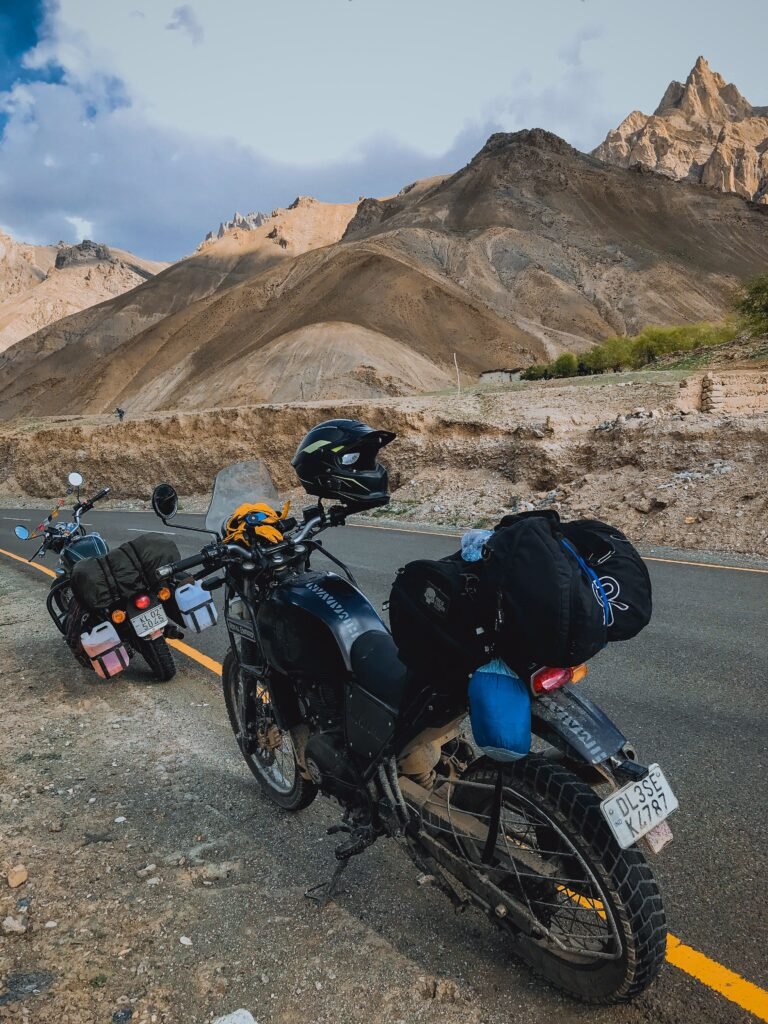
You are standing in an accessory shop, two products on the counter in front of you. One is a small clamp that will put your phone directly in your line of sight on the handlebar. The other is a bag that sits on your fuel tank with a clear window on top, keeping the phone a little further away but tucked inside something altogether sturdier. Both promise to solve the same basic problem: seeing your route without pulling your phone out at every junction. Both come with trade-offs the shop assistant will not necessarily walk you through.
This is a genuinely close call, and the right answer depends more on how you actually ride than on which product is objectively superior. Here is an honest breakdown of both, covering the things that actually matter once you are several months into using either one.
The Core Trade-Off in One Sentence
A phone mount gives you the best possible viewing angle and the most direct interaction with your phone, at the cost of greater exposure to vibration, weather, and theft risk. A tank bag gives you meaningfully better protection on all three of those fronts, at the cost of a slightly worse viewing angle and a small amount of extra setup bulk on your bike.
Neither option eliminates the trade-off entirely. Choosing between them is really about deciding which compromise fits your riding life better.
Visibility and Glance Time
This is where a handlebar or mirror-mounted phone mount wins clearly and by a meaningful margin. The phone sits directly in your forward line of sight, close to where your eyes naturally rest while watching the road ahead, which means a glance at the next turn instruction takes a fraction of a second and barely interrupts your attention on traffic.
A tank bag positions the phone lower, generally just above the fuel tank and below the handlebar, which means glancing at it requires a more deliberate downward movement of your eyes and, for some riders, a slight tilt of the head depending on bike geometry and rider height. This is not a dramatic difference for most riders, but over a long ride with frequent navigation checks, it does add up to slightly more total time with your eyes off the road compared to a well-positioned handlebar mount.
If your primary concerns are minimizing glance time and keeping your eyes as close to the road as possible, a mount clearly has the advantage.
Vibration and Long-Term Camera Risk
This is where the tank bag pulls ahead, and the gap is genuinely significant rather than marginal.
A phone clamped directly to a handlebar or mirror stem receives vibration almost unfiltered from the engine, transmitted through the handlebar assembly with very little natural dampening along the way. This is the exact scenario that has been documented to cause long-term damage to a phone’s optical image stabilization and autofocus systems, the delicate internal camera components responsible for sharp photos and steady video. The risk scales with how buzzy your specific engine is, but it exists to some degree on every handlebar-mounted setup that lacks a dedicated vibration-dampening accessory.
A tank bag sits on the fuel tank rather than the handlebar, and the tank itself, along with the bag’s own padding and the bike’s frame geometry, naturally absorbs and disperses a meaningful portion of engine vibration before it ever reaches the phone inside. This does not reduce vibration exposure to zero, since some transmission through the frame is unavoidable, but it is a structurally gentler environment for a phone over the long term compared to a direct handlebar clamp.
If you ride long distances regularly and are genuinely concerned about your phone’s camera holding up over years of use, this is a real and meaningful point in the tank bag’s favor.
Weather Protection
A genuinely good tank bag with a sealed or roll-top design protects the phone from rain considerably more thoroughly than most phone mounts manage on their own. The bag fully encloses the phone, with only a clear window exposed to the elements, and that window typically sits at a shallower angle relative to falling rain than a handlebar mount’s more upright clamp position, reducing how directly water hits the touch surface.
Phone mounts vary enormously here. A basic open clamp offers no weather protection at all, leaving the phone directly exposed to rain. A dedicated waterproof pouch-style mount can match or come close to a tank bag’s protection level, but this requires specifically choosing a sealed, IP-rated mount rather than a standard clamp holder, which is an extra purchase and cost most riders do not make until after their first ruined ride in heavy rain.
If weather protection matters to you and you are not planning to specifically buy a sealed waterproof mount, a tank bag has the advantage by default, simply because weatherproofing is closer to its core design intent rather than an optional add-on feature.
Touchscreen Usability While Riding
A phone mount, used without any cover, gives you full, direct touchscreen access exactly as you would have holding the phone in your hand. Pinch-to-zoom, tapping to switch apps, and any other interaction works exactly as expected, with zero degradation in responsiveness.
A tank bag’s clear window, even a good one, introduces some loss of touch precision, since you are tapping through a layer of clear plastic or vinyl rather than directly on the glass screen. Simple navigation taps and swipes generally still work, but more precise interactions become noticeably harder, and in genuinely heavy rain, water sitting on top of the window can interfere with capacitive touch response considerably more than it would on a bare screen protected only by the phone’s own water resistance.
For riders who only glance at navigation and rarely interact with the phone beyond that, this difference barely matters. For riders who frequently change routes, skip music tracks, or otherwise interact with the phone mid-ride, a mount’s direct access is a genuine convenience advantage.
Theft and Security Risk
A phone visible on a handlebar mount is also a phone visible to anyone standing near your parked bike, which matters in crowded parking areas, at traffic stops in certain locations, or any time you step away from the bike briefly without removing the phone first. The convenience of leaving it mounted while you run a quick errand is also exactly what creates the opportunity for theft.
A tank bag, particularly one that zips or rolls closed, keeps the phone considerably less visible and less immediately accessible to anyone passing by, even if the phone is still physically present in the bag. This is a modest but genuine security advantage, since opportunistic theft generally favors easy, visible targets over anything that requires extra steps to access.
Neither setup is a substitute for simply taking your phone with you when you leave the bike unattended for any meaningful length of time, but the tank bag’s lower visibility is a real point in its favor for the moments when you do step away briefly.
Cost and Setup Complexity
A basic phone mount is the cheaper and simpler option in almost every case, with reliable clamp-style mounts widely available from roughly ₹300 to ₹800 depending on build quality, and installation taking a matter of minutes with no tools beyond what is included in the box.
A genuinely good tank bag, particularly one with magnetic or strap-based tank attachment, a stable internal phone pocket, and decent waterproofing, typically costs more, often in the ₹1,200 to ₹2,500 range depending on size and brand, and setup involves correctly positioning and securing the bag’s attachment system to your specific tank shape, which takes a bit more initial effort than clamping a mount onto a handlebar.
If upfront cost and minimal setup hassle are significant factors for you, a mount is the easier and cheaper starting point.
Bike Compatibility
Tank bags are designed around having a metal fuel tank to attach to, which works well for most motorcycles but does not translate cleanly to scooters, where the equivalent tank area is typically a plastic apron rather than an exposed metal surface suited to magnetic attachment. If you ride a scooter rather than a motorcycle, a tank bag is often simply not a practical option in the first place, narrowing your real choice down to a phone mount or an apron-mounted tray as the available alternatives.
For motorcycle riders, this is less of a constraint, though tank shape and size still affect how well a given tank bag actually sits and stays secure, with some bags fitting certain tank shapes considerably better than others.
Which One Should You Actually Pick?
If you ride a scooter, this decision is mostly made for you already, since a tank bag is rarely a realistic option, and a quality phone mount, ideally with some vibration-dampening built in, is the more practical choice.
If you ride a motorcycle and do mostly short city commutes with frequent stops, the quicker glance time of a phone mount likely outweighs the vibration and weather concerns, since shorter total exposure time per ride naturally limits how much cumulative wear accumulates on the phone’s camera, and city riding gives you more opportunities to simply remove the phone if rain starts.
If you ride longer distances regularly, particularly highway stretches lasting more than an hour at a time, or if you frequently encounter genuine monsoon conditions mid-ride without the option to simply wait it out, a tank bag’s better vibration isolation and weather sealing become considerably more valuable, and the slightly worse viewing angle is a reasonable price to pay for that protection.
If you are someone who genuinely cannot decide and rides a motorcycle with a usable tank surface, a middle path worth considering is a phone mount fitted with a dedicated vibration-dampening accessory, combined with simply removing the phone from the mount during any sustained rain or when parking somewhere you cannot keep an eye on the bike. This does not match a tank bag’s full protection, but it closes a meaningful part of the gap while keeping the mount’s superior viewing angle and direct touchscreen access.
A Combined Approach Worth Considering
Some riders, particularly those doing long tours, use both: a tank bag for general storage, spare layers, and protecting the phone during the bulk of the ride, paired with a quick-release phone mount used only when active turn-by-turn navigation through an unfamiliar area genuinely demands a better viewing angle than glancing down at the tank bag allows. The phone moves between the bag and the mount depending on the specific stretch of road and weather conditions at the time, which is more effort than committing to a single setup but gives you the best of both options when it actually matters.
This is more setup than most daily commuters need, but it is a genuinely sensible approach for anyone doing serious multi-day touring where both navigation precision and long-term phone durability matter over the course of a trip.
Frequently Asked Questions
Q1: Does a tank bag completely eliminate the camera vibration risk that phone mounts carry?
No, it reduces the risk considerably rather than eliminating it entirely, since some vibration still transmits through the bike’s frame and fuel tank into the bag and the phone inside. The reduction compared to a direct handlebar clamp is meaningful, particularly on buzzier engines, but a tank bag is not a complete guarantee against long-term camera wear if you ride extensively and frequently.
Q2: Can I use a tank bag on a scooter at all?
Generally not in the traditional sense, since scooters lack an exposed metal fuel tank surface for magnetic or strap attachment. Some scooter-specific apron bags exist that achieve a broadly similar function using the front leg shield area instead, though these are a less common and less standardized category compared to motorcycle tank bags.
Q3: Is a phone mount with a vibration damper roughly equivalent to using a tank bag?
It closes a significant part of the gap on the vibration front specifically, but a tank bag still generally offers better weather protection and lower theft visibility, since those advantages come from the bag’s enclosed design rather than from vibration isolation. A damped mount is a meaningful middle ground improvement rather than a full equivalent.
Q4: Which option is better for using the phone’s camera to take photos while riding or at stops?
A phone mount, particularly one without an opaque cover, allows much easier access to take a quick photo at a stop, since the phone is immediately visible and accessible without unzipping or unclipping anything. A tank bag requires removing the phone from the bag for most photography, which is a minor extra step but a real one if you stop frequently for photos during a ride.
Q5: If I can only afford one accessory right now, which should I prioritize?
For most riders doing regular city or short highway commuting, a phone mount is the more immediately useful purchase given its lower cost and better navigation usability for typical use. For riders specifically planning longer tours involving sustained highway riding and likely rain exposure, prioritizing a tank bag, even a basic one, addresses the more consequential risks of weather damage and vibration wear that matter more over those longer rides.
There is no universally correct answer here, only the setup that matches your actual riding pattern. A phone mount wins on glance time, cost, and direct usability. A tank bag wins on weather protection, vibration safety, and discretion. Match the choice to how far you ride, how often you hit rain, and how much you genuinely care about your phone’s camera holding up over the long run, and either option will serve you well within those terms.

My work focuses on finding the human stories behind the headlines, from documenting unique cultural traditions to covering stories from communities across Bengal. Previously, I worked as an SEO Content Writer with Penning Down and Collegedunia, combining digital content expertise with newsroom journalism.
I believe impactful journalism is built on accuracy, empathy, and stories that stay with readers.
- Amazon Coupon Code: Up to 70% Off Your Order - October 10, 2024
- Amazon Brand – Solimo 1000ml Stainless Steel Insulated (Thermosteel) Water Bottle | 24 Hours Hot and Cold | Leakproof, Rust and Corrosion Resistant| For Travel, Office, Trekking, Home (Silver) - October 9, 2024
- Panasonic Portable Oral Irrigator/Dental Water Flosser - April 10, 2016
Blog Insights
View All CouponTalk Blogs
12 Best LED Lighting Brands In India

10 Best Water Pump Brands In India
10 Best RO Membrane Brands In India

10 Best Electric Wire Brands In India

10 Best Electric Pressure Cooker Brands In India

9 Best Welding Machine Brands In India


11 Different Types of Salwar Suit