Steelbird vs Vega Helmet: Which Is Better Under 1000 Rupees?


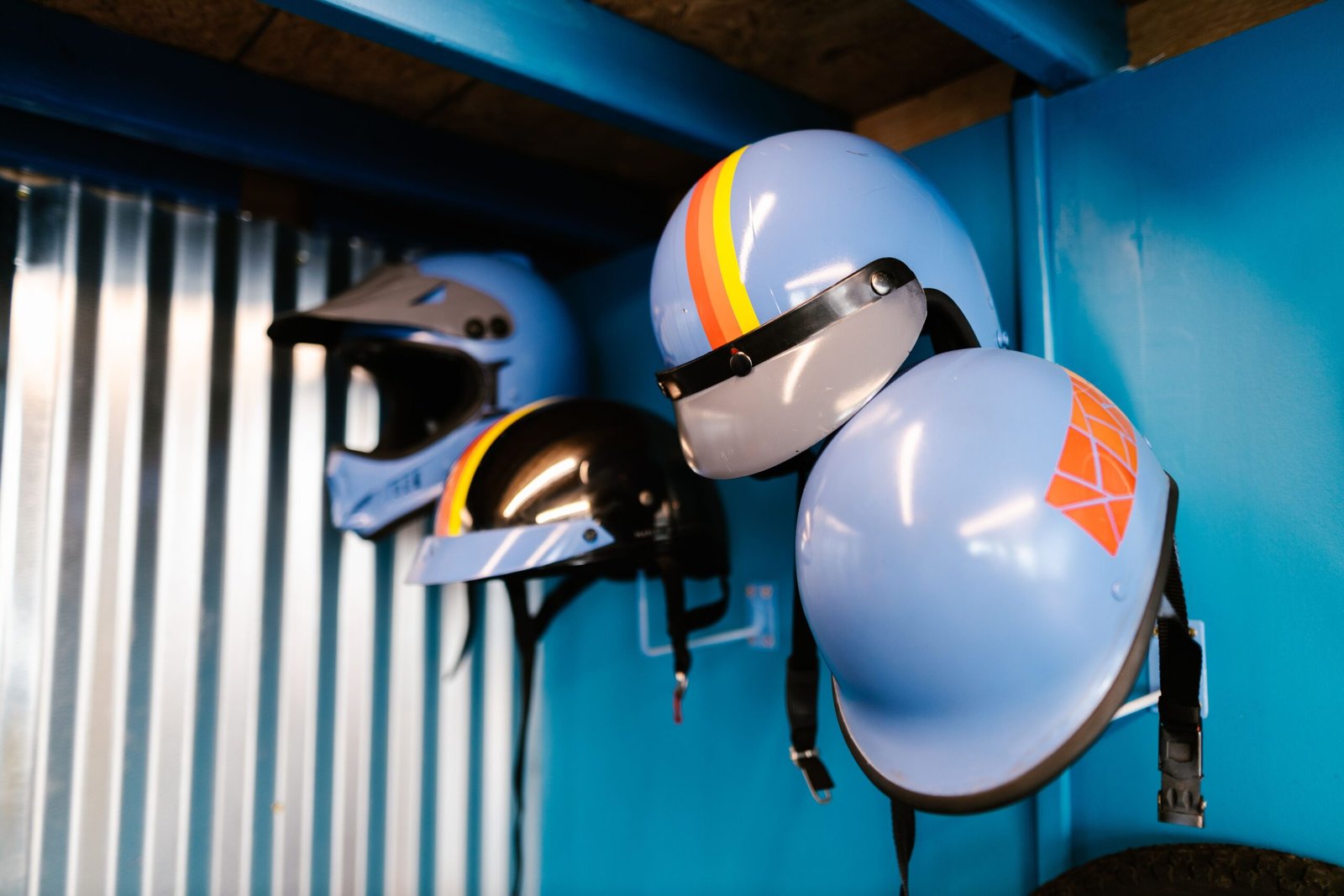
Walk into almost any helmet shop in India, and you will find two names competing for the same shelf space, the same customer, and often the same price point. Steelbird and Vega. Both are Indian brands with decades of manufacturing history. Both are ISI certified across their ranges. Both have built loyal followings across millions of riders in the country.
So when your budget is 1000 rupees or less, which one do you actually pick?
That is the question this comparison is built to answer. No filler, no vague praise for both sides. Just an honest look at what each brand offers under 1000 rupees, where each one wins, and which type of rider is better served by which helmet.
First, a Quick Look at Both Brands
Before comparing specific models, it helps to know where each brand is coming from.
Steelbird was founded in 1964 and is one of the oldest helmet manufacturers in India. It is particularly well known for its open-face and half-face designs, many of which carry a retro or classic visual character. Steelbird’s strength has always been variety: it offers an enormous range of styles, sizes, and graphics, which gives buyers more options even within a tight budget.
Vega entered the Indian helmet market later but grew rapidly through strong quality control and a focus on comfort and fit. Vega is often the brand that riders cite when they talk about helmets that feel good to wear for longer durations. Its designs tend to be cleaner and more understated than Steelbird’s more expressive lineup.
Both brands manufacture ISI-certified helmets and sell widely across India, both in physical stores and online. Under 1000 rupees, both brands offer primarily open-face and half-face options, since full-face helmets at this price tend to involve compromises that most riders are better off avoiding.
Build Quality: Steelbird vs Vega Under 1000
In the sub-1000 rupee segment, build quality is the first thing to scrutinize because margins are thin and shortcuts are tempting.
Steelbird helmets at this price point typically use ABS thermoplastic shells that feel reasonably solid for the price. The outer finish on popular models like the Steelbird SBH-11 is consistent, and the shell moulding is generally clean. However, some buyers note that the inner padding on entry-level Steelbird models can feel slightly coarse and tends to compress over time more quickly than expected.
Vega helmets in the same price range, such as the Vega Crux and Vega Edge, also use ABS shells but tend to receive better feedback on interior finish. The inner liner fabric feels softer on first contact and holds its shape reasonably well over months of regular use. The retention system on Vega helmets, meaning the chin strap and its buckle mechanism, also tends to feel more solid than on comparable Steelbird models.
Winner on build quality: Vega, by a small but consistent margin.
Safety and Certification: Both Clear the Baseline
This category is less a competition and more a confirmation. Both Steelbird and Vega helmets under 1000 rupees carry ISI certification to IS 4151, which is the minimum legal standard for helmets sold in India.
Neither brand at this price point offers ECE 22.06 or DOT certification, which requires more rigorous testing and pushes costs significantly higher. If advanced safety certification is a priority, both brands do offer higher-priced models that carry those ratings, but within the sub-1000 rupee bracket, IS 4151 is what you are working with on both sides.
The practical implication is that both helmets have been tested for basic impact absorption, retention system strength, and field of vision. For urban riding at typical city speeds, this level of certification provides meaningful protection compared to riding without a helmet at all.
Winner on safety: A draw within this budget. Both meet IS 4151. Neither exceeds it at this price.
Comfort and Fit: The Category That Often Decides
This is where the Steelbird vs Vega comparison gets most interesting, and where rider feedback tends to diverge most clearly.
Steelbird helmets are generally sized on the larger side. Riders with slightly larger or rounder head shapes often find Steelbird’s sizing more accommodating without needing to go up a size. The ventilation on open-face Steelbird models is adequate for urban riding, though the brand does not distinguish itself here at the budget end.
Vega is consistently praised for a snugger, more secure fit that does not translate into tightness. Riders who switch from Steelbird to Vega at a similar size often report that the Vega feels more planted on the head with less side-to-side movement at speed. The interior padding on Vega helmets also tends to be more breathable in the initial months of use.
For longer rides or daily commutes exceeding 30 to 45 minutes, Vega’s comfort advantage becomes more noticeable. For short trips around the neighborhood or occasional use, both brands are comfortable enough that the difference is minimal.
Winner on comfort and fit: Vega, particularly for riders who commute regularly or ride for longer durations.
Style and Variety: Steelbird’s Strongest Card
If there is one category where Steelbird clearly leads, it is variety. Steelbird offers an extraordinarily wide range of graphics, finishes, and style options even within the sub-1000 rupee bracket. From matte black to bright graphics to retro-styled open-face designs, riders who care about how their helmet looks alongside their motorcycle have significantly more to choose from in the Steelbird catalog.
Vega’s designs tend toward the clean and minimalist. This works well for riders who prefer understated style, and Vega’s solid color options are consistently well executed. But if you are looking for something with personality or a specific visual character to match a Royal Enfield or a modified commuter, Steelbird offers more to explore at this price point.
Winner on style and variety: Steelbird, without much contest.
Value for Money: Which Rupee Works Harder?
At the sub-1000 rupee price point, both brands offer reasonable value given the constraints of the budget. But viewed as a total package of build quality, fit, comfort, and durability over 18 to 24 months of regular use, Vega tends to hold its value slightly better. Riders report that Vega helmets in this range retain their padding shape and shell finish longer, which matters if you are buying a helmet you plan to use daily for a year or more before replacing it.
Steelbird, on the other hand, offers better value for someone who wants visual variety or a specific style that Vega does not carry at this price. If the helmet is for occasional use or you are replacing a damaged helmet quickly, and budget is the primary concern, either brand serves adequately.
Winner on overall value: Vega for daily riders. Steelbird for style-focused buyers on a tight budget.
The Verdict: Which One Should You Buy?
Here is the straightforward answer to the Steelbird vs Vega question under 1000 rupees.
Choose Vega if you are a daily commuter who spends 30 minutes or more on the road each day and wants a helmet that fits securely, feels comfortable over time, and holds up through regular use. The Vega Crux and Vega Edge are both strong picks in this segment.
Choose Steelbird if you want more style options, need a helmet with a slightly roomier fit, or are buying for occasional use and want to spend a little less while still getting ISI certification. The Steelbird SBH-11 and the Steelbird SBA-1 are well regarded in this price range.
Neither choice is wrong. Both brands make honest, ISI-certified helmets that are considerably safer than riding bare-headed. But if one name has to be called the better all-around option under 1000 rupees for a typical Indian daily rider, the edge goes to Vega.
Frequently Asked Questions
Q1: Are Steelbird and Vega helmets genuinely ISI certified?
Yes. Both brands carry ISI certification on their helmets across their ranges, including models under 1000 rupees. You can verify any specific model’s licence number on the BIS Care app using the CM/L number printed on the helmet.
Q2: Which is better for two-wheeler riders in India, Steelbird or Vega?
Both are well-suited to Indian riding conditions. Vega has a slight edge in comfort and fit for daily commuters. Steelbird offers more variety in style and graphics, which appeals to riders who want a specific look.
Q3: Can I find full-face helmets from either brand under 1000 rupees?
It is possible to find full-face helmets from both brands at or just under 1000 rupees, but at this price, the build quality and safety margins are tighter. A quality open-face helmet better serves most riders at this budget than a very cheap full-face option.
Q4: How do I check if the ISI mark on my Steelbird or Vega helmet is genuine?
Look for the CM/L licence number on the helmet shell or interior label. Open the BIS Care app, enter the number, and verify it matches the manufacturer and product category. Also check for the BIS hologram sticker, which genuine certified helmets carry.
Q5: How long should a helmet under 1000 rupees last?
With regular daily use, a helmet in this price range typically remains structurally effective for around two to three years. Both Steelbird and Vega recommend replacing helmets after any significant impact, regardless of visible damage, and most safety guidelines suggest replacing any helmet after five years, even without an impact.
Final Thoughts
A 1000-rupee helmet is not the best helmet money can buy. But it is infinitely better than no helmet at all. Between Steelbird and Vega, you are choosing between two brands that take their ISI obligations seriously, and either one will serve you better on the road than the uncertified alternatives that fill the cheaper end of the market.
Pick the brand that fits your head, your style, and your riding routine. Then wear it, every single ride.

Blog Insights
View All CouponTalk Blogs
12 Best LED Lighting Brands In India

10 Best Water Pump Brands In India
10 Best RO Membrane Brands In India
10 Best Electric Wire Brands In India

10 Best Electric Pressure Cooker Brands In India

10 Best Air Fryer Brands In India