10 Tips to Maintain Your Solar Panels (Monsoon Edition)

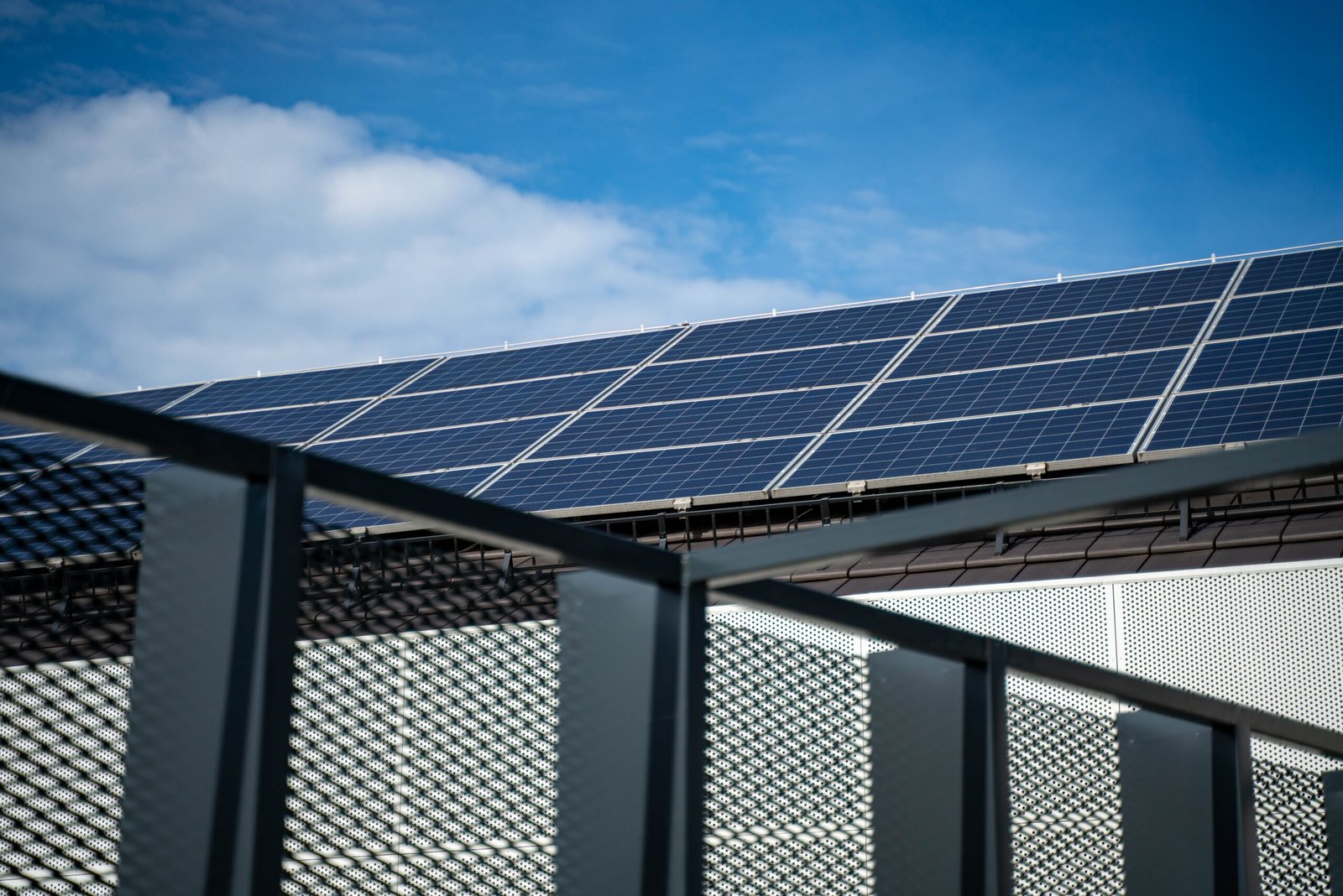
The sky turns grey. The first raindrops hit the rooftop. For most of India, this is a welcome relief from the summer heat. But up on the roof, your solar panels are about to face their toughest test of the year.
Heavy rain. Strong winds. Days of cloud cover. Humidity that creeps into every joint and wire. Monsoon is not the enemy of solar power, but it does demand a little extra care.
The good news is this. With a few simple steps before and during the rainy season, your solar system can sail through the monsoon without missing a beat. Here are 10 tips to help you do exactly that.
1. Inspect Before the Rains Arrive
Every good story starts with preparation. Before the first heavy showers hit, walk up to your rooftop and take a good look at your panels.
Check for cracks, loose mounts, or any visible damage. A small crack in a panel might seem harmless on a dry day. But once rainwater seeps into it, that tiny crack can turn into a bigger performance problem. If you spot anything unusual, call your installer before the rains begin, not after.
2. Clean Your Panels One Last Time Before Monsoon
Think of this as a fresh start. Give your panels a thorough cleaning right before monsoon season begins. This removes the dust and grime that built up over summer, so your panels start the rainy season as clean as possible.
In dry regions like Gujarat and Rajasthan, panels can lose 25 to 40 percent of their output during summer due to dust buildup. Starting monsoon with clean panels means rain has less work to do, and your system performs better from day one.
3. Do Not Rely on Rain to Clean Your Panels
Here is a common myth. Many people believe rain washes panels perfectly clean, like a free car wash from the sky.
The truth is a little different. While rain does wash away loose dirt, it often leaves behind a thin film of residue, watermarks, or muddy patches, especially on panels installed at a low tilt. So even during the monsoon, occasional manual cleaning is still needed for the best performance.
4. Pick the Right Day for Manual Cleaning
If you do need to clean your panels during the monsoon, timing matters. A cool, overcast day is actually ideal for cleaning. The temperature is lower, grime is softer, and there is less risk of thermal shock, which can happen when cold water hits a hot panel surface on a sunny day.
So do not wait for a sunny gap to clean. A cloudy monsoon morning might be the perfect time.
5. Watch Out for Hard Water Stains
If your area has hard tap water, especially common in parts of Gujarat and Rajasthan, be careful during cleaning. Hard water contains dissolved minerals that leave white streaks on glass once the water dries.
The fix is simple. If you are using tap water to clean your panels, squeegee them dry right after washing instead of letting them air dry. This prevents those stubborn calcium marks from forming.
6. Check Wiring and Connectors for Moisture Damage
Monsoon brings more than rain to the panels. It brings humidity that can creep into wiring, junction boxes, and connectors.
Moisture in these areas can cause corrosion over time, leading to loose connections or even short circuits. Before the monsoon sets in, ask your installer to check that every wire is properly insulated and every junction box is tightly sealed. This single check can prevent a lot of trouble down the line.
7. Inspect Mounting Structures for Stability
Strong monsoon winds put real stress on the metal frames holding your panels in place. Over time, bolts can loosen, and in coastal areas, salty air can speed up corrosion of the mounting system.
A pre-monsoon inspection should include tightening all bolts, checking for rust, and confirming that the entire structure is firmly anchored to your roof. This is especially important if your area experiences strong storms or cyclonic winds.
8. Remove Loose Objects Near Your Panels
Picture a strong gust of wind during a monsoon storm. Anything loose on your rooftop, a flowerpot, a stray pipe, a piece of sheet metal, can become a projectile that damages your panels.
Before the season starts, walk around your rooftop and clear away anything that is not securely fixed. It takes just a few minutes but can save your panels from a costly hit.
9. Keep Drainage Clear
Water needs somewhere to go. If your rooftop drainage gets blocked by leaves or debris, water can pool around your panel mounts and electrical equipment.
Standing water near electrical connections is never a good combination. Make it a habit to check that water flows freely off the panels and the roof, especially after heavy rainfall.
10. Schedule a Post-Monsoon Deep Clean and Checkup
Once the monsoon clouds clear, give your system one final, thorough look. A complete manual cleaning at the end of monsoon is recommended, ideally using distilled or deionized water, which leaves no mineral deposits behind.
This is also the perfect time for a full system inspection. Check for any weather-related damage, monitor your generation output against expected levels, and confirm everything is back to peak performance before the dry season begins.
Why the Inverter Deserves Attention Too
While panels get most of the attention, do not forget the inverter. It works harder than almost any other part of your system, constantly converting solar power into usable electricity.
Dust and moisture inside the inverter can cause it to overheat. When that happens, the inverter automatically reduces its output to protect itself, a process called thermal derating. During your pre- and post-monsoon checks, make sure the inverter’s vents and cooling fans are clean, and that surge protectors are working properly to guard against lightning strikes.
Bringing It All Together
Monsoon is not something to fear for your solar system. It is simply a season that asks for a bit of attention before and after it arrives. A quick inspection, a clean start, secure mountings, sealed connections, and a thorough check once the rains pass; these small steps form a simple rhythm that keeps your panels working at their best all year round.
Frequently Asked Questions
Q1: How often should I clean my solar panels during the monsoon?
Even though rain helps remove loose dust, occasional manual cleaning is still useful, especially if you notice streaks or residue. A thorough cleaning before the monsoon starts and another after it ends is a good minimum routine.
Q2: Can heavy rain damage my solar panels?
Modern panels are built to handle heavy rain and are tested for water resistance. The real risk comes from existing cracks, loose mounts, or poor wiring, which is why pre-monsoon inspection matters so much.
Q3: Will cloudy days during the monsoon reduce my electricity generation?
Yes, generation typically drops during extended cloudy periods since panels rely on sunlight. This is normal. Hybrid systems with battery backup help maintain power supply even on low-generation days.
Q4: How much does professional monsoon maintenance cost?
For a typical 3 to 5 kW residential system, professional cleaning costs around 500 to 1,500 rupees per visit in many regions. Annual maintenance packages covering multiple cleanings and inspections usually range from 3,000 to 8,000 rupees per year. For a step-by-step method, see how to clean solar panels at home safely.

Blog Insights
View All CouponTalk Blogs
12 Best LED Lighting Brands In India

10 Best Water Pump Brands In India

10 Best RO Membrane Brands In India

10 Best Electric Wire Brands In India

10 Best Electric Pressure Cooker Brands In India

10 Best Air Fryer Brands In India