FPC vs. ETC Solar Water Heaters: Which Should You Buy?

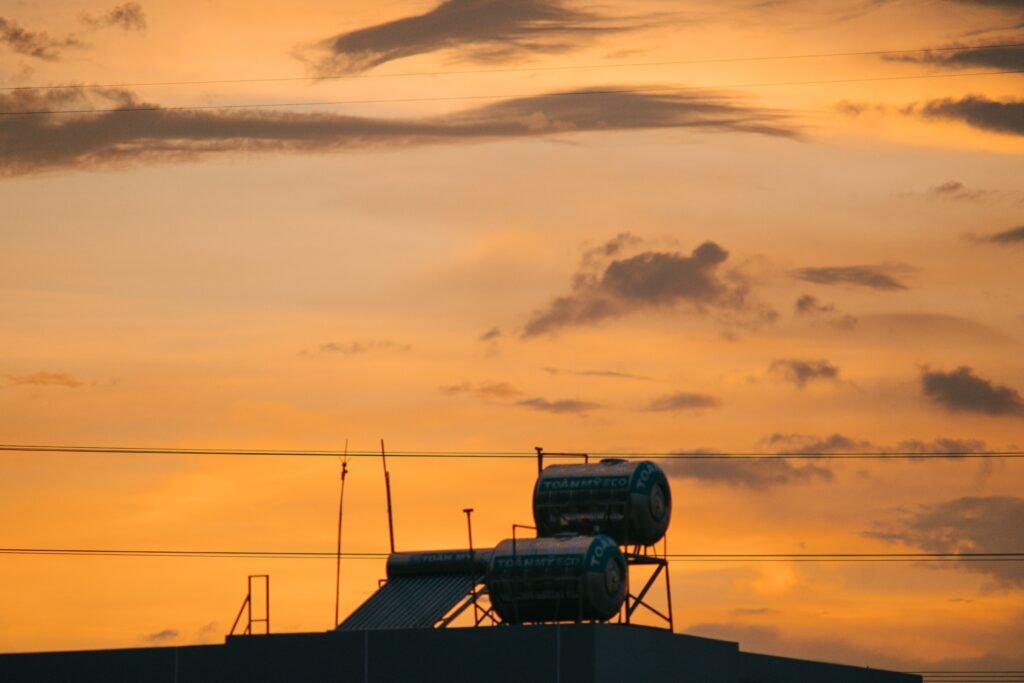
Walk into any solar water heater showroom in India, and within the first five minutes, a salesperson will almost certainly mention two terms that sound technical but matter enormously to your final decision: FPC and ETC. These two letters represent the two fundamental technologies behind almost every solar water heater sold in the country, and the one you choose will shape how your system performs for the next fifteen to twenty years.
Both FPC and ETC heaters do the same basic job: they absorb sunlight and convert it into heat to warm the water in your tank. But they go about it in genuinely different ways, and that difference has real consequences for cost, durability, and how well your system handles your specific local climate.
Here is a clear, practical comparison of FPC and ETC solar water heaters to help you decide which one belongs on your rooftop.
First, What Do FPC and ETC Actually Mean?
Before comparing the two, it helps to understand what each acronym actually refers to, since the terminology alone tells you a lot about how each system works.
FPC stands for Flat Plate Collector. This design uses a flat, rectangular panel with a dark absorber surface, usually copper or aluminum, through which water flows in a network of tubes. Sunlight strikes the flat surface, heating the absorber material, and that heat transfers to the water moving through the embedded tubing. The entire panel is enclosed in a glass-covered, insulated box that traps heat much like a greenhouse.
ETC stands for Evacuated Tube Collector. This design uses a series of parallel glass tubes, each one a double-walled cylinder with a vacuum between the inner and outer layers. The vacuum acts as insulation, similar to how a thermos flask keeps liquid hot, and each tube independently absorbs sunlight and transfers heat to the water flowing through it.
With both technologies defined, here is how they actually compare across the factors that matter most to a buyer.
1. Heating Speed and Efficiency
ETC solar water heaters generally heat water faster, particularly during the early morning and on moderately cloudy days, because the vacuum insulation in each tube minimizes heat loss even when sunlight is weaker or intermittent. This makes ETC systems noticeably more efficient at lower light intensities, which matters during winter mornings or monsoon-affected days when full sun is less reliable.
FPC solar water heaters perform excellently under strong, direct, consistent sunlight, often matching or even exceeding ETC efficiency on clear, sunny days. However, their heating speed drops more noticeably under partial cloud cover or hazy conditions compared to ETC systems, since the flat panel design is less efficient at capturing diffuse or angled sunlight.
For regions with consistently strong sun exposure throughout the year, this difference is less pronounced. For regions with more variable weather, ETC tends to deliver more consistent day-to-day heating performance.
2. Durability and Weather Resistance
This is where FPC solar water heaters hold a clear and well-documented advantage, and it is often the single deciding factor for buyers in certain regions.
FPC systems are significantly more resistant to physical damage from hailstorms, dust storms, and general wear over time. The flat panel’s robust construction, typically protected by tempered glass and a sturdy metal frame, withstands impact far better than the more delicate glass tubes used in ETC systems. FPC collectors are also less prone to performance degradation from dust accumulation, since their flat surface is easier to clean and less affected by partial shading across individual tubes.
ETC systems, while generally reliable under normal conditions, are more vulnerable to damage from hailstones or accidental impact, since each glass tube can crack or lose its vacuum seal if struck with sufficient force. A single damaged tube can affect that tube’s performance, although most ETC systems are designed so the rest of the array continues functioning even if one or two tubes fail.
For homes in regions prone to hailstorms, frequent dust storms, or rough weather, FPC is the more durable long-term choice.
3. Performance in Hard Water Conditions
Water quality is a factor that many first-time buyers overlook, but it has a meaningful impact on long-term performance and maintenance for both FPC and ETC solar water heaters.
FPC systems generally handle hard water better than ETC systems. The flat plate design’s tubing is typically wider and less prone to scale buildup restricting flow, and any maintenance required tends to be more straightforward since the flat collector surface is more accessible for cleaning or descaling.
ETC systems are more susceptible to scaling issues in hard water areas, since mineral deposits can build up inside the narrower glass tubes over time, gradually reducing heating efficiency and occasionally requiring more frequent maintenance or tube replacement in areas with particularly hard or mineral-rich water supply.
If your area has notably hard water, this is a meaningful point in favor of choosing FPC, even if other factors lean toward ETC.
4. Cost: Upfront Price and Long-Term Value
Cost is frequently the deciding factor for many Indian households, and there is a clear, consistent pattern between the two technologies.
ETC solar water heaters are generally cheaper to purchase upfront, often by a meaningful margin compared to an equivalent capacity FPC system. This makes ETC the more accessible entry point for budget-conscious buyers, and it explains why ETC systems dominate the lower and mid-price segments of the Indian solar water heater market.
FPC solar water heaters cost more initially, reflecting their more robust construction and materials, typically copper tubing and tempered glass, which are inherently more expensive to manufacture than the glass tube arrays used in ETC systems. However, FPC’s superior durability and resistance to weather damage often translate into lower repair and replacement costs over the system’s lifetime, which can narrow or even close the cost gap when viewed over fifteen to twenty years rather than just the purchase price.
For a buyer prioritizing the lowest possible upfront cost, ETC wins clearly. For a buyer thinking in terms of total cost of ownership over the long term, particularly in harsh weather regions, FPC’s higher upfront cost is often justified.
5. Lifespan and Long-Term Reliability
Closely tied to durability, the overall expected lifespan of each technology differs in ways worth knowing before you commit to either option.
FPC solar water heaters typically last 15 to 20 years or more with proper maintenance, owing to their sturdier construction and lower vulnerability to physical damage over time. Many manufacturers offer longer warranty periods on FPC collectors specifically because of this proven durability track record.
ETC solar water heaters generally last 10 to 15 years, with the glass tubes being the component most likely to need replacement before the rest of the system reaches end of life, particularly in regions with harsher weather or frequent physical disturbance such as birds, branches, or maintenance work on the roof.
For buyers planning to stay in the same home for fifteen years or more, FPC’s longer expected lifespan is a meaningful consideration that can offset its higher initial price.
6. Which Climate and Region Suits Which Technology?
Bringing all the previous factors together, the choice between FPC and ETC ultimately comes down heavily to your specific local climate and conditions.
Choose ETC if you live in a region with generally mild weather, infrequent hailstorms, and moderate water hardness, and you want the most economical upfront option. This describes a large portion of urban and suburban India, which is why ETC remains the most commonly sold solar water heater technology in the country.
Choose FPC if you live in a region prone to hailstorms, dust storms, or significant temperature extremes, or if your area has notably hard water, or if you are planning a long-term installation and want to minimize the likelihood of weather-related repairs over the system’s lifetime. States with harsher continental climates, parts of North India experiencing severe hailstorms, or coastal areas with dust and salt exposure often favor FPC for this reason.
Frequently Asked Questions
Q1: Is FPC or ETC better for areas with frequent hailstorms?
FPC is the better choice for hail-prone areas. Its sturdier flat-panel construction with tempered glass and a metal frame withstands hail impact significantly better than the more delicate glass tubes used in ETC systems, which can crack or lose their vacuum seal under direct impact.
Q2: Which technology heats water faster on a cloudy day?
ETC generally performs better on cloudy or hazy days, since the vacuum insulation in each tube retains heat more efficiently even when sunlight intensity is reduced. FPC systems work best under strong, direct, consistent sunlight.
Q3: Does FPC really cost more than ETC for the same capacity?
Yes, typically. FPC systems generally cost more upfront due to their use of copper tubing and tempered glass construction. However, the higher upfront cost is often offset over time by FPC’s longer lifespan and lower likelihood of weather-related repairs.
Q4: Can I switch from ETC to FPC later if I am not satisfied with performance?
Switching technologies typically requires replacing the entire collector unit, since FPC and ETC use fundamentally different designs that are not interchangeable on the same mounting structure in most cases. It is generally more cost-effective to choose the right technology upfront based on your local climate and water conditions.
Q5: Which technology is more commonly available and serviced in India?
ETC solar water heaters are more widely available across India and dominate the mid and budget price segments, meaning service technicians and replacement parts are generally easier to find. FPC systems are available from most major brands but are more concentrated in regions where weather conditions make the technology’s durability advantage particularly valuable.
There is no universal winner between FPC and ETC solar water heaters. The right answer depends on the weather outside your window, the water flowing through your taps, and how long you plan to rely on whatever you install. Match the technology to your conditions, and either option will deliver years of free hot water without complaint.

My work focuses on finding the human stories behind the headlines, from documenting unique cultural traditions to covering stories from communities across Bengal. Previously, I worked as an SEO Content Writer with Penning Down and Collegedunia, combining digital content expertise with newsroom journalism.
I believe impactful journalism is built on accuracy, empathy, and stories that stay with readers.
- Amazon Coupon Code: Up to 70% Off Your Order - October 10, 2024
- Amazon Brand – Solimo 1000ml Stainless Steel Insulated (Thermosteel) Water Bottle | 24 Hours Hot and Cold | Leakproof, Rust and Corrosion Resistant| For Travel, Office, Trekking, Home (Silver) - October 9, 2024
- Panasonic Portable Oral Irrigator/Dental Water Flosser - April 10, 2016
Blog Insights
View All CouponTalk Blogs
12 Best LED Lighting Brands In India

10 Best Water Pump Brands In India
10 Best RO Membrane Brands In India
10 Best Electric Wire Brands In India