Best Monocrystalline Solar Panels in India 2026: Top 7 Reviewed

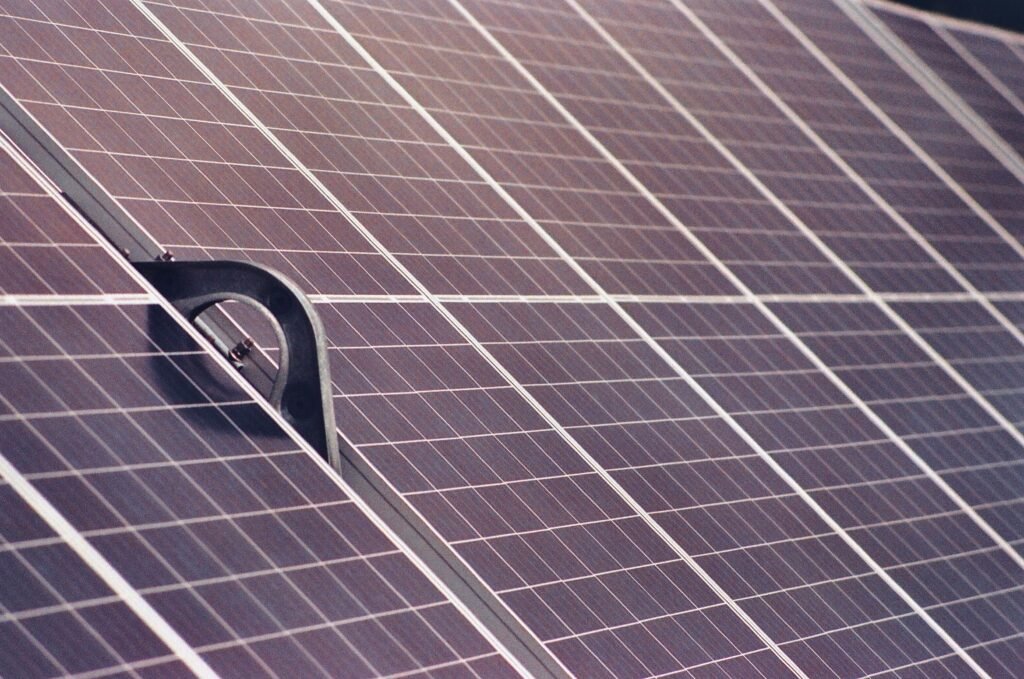
Picture a rooftop in any Indian city. The sun beats down for most of the year. Yet for decades, that free energy just bounced off the tiles and went to waste. Today, that story is changing. Families across India are turning their roofs into quiet power plants. And at the heart of this shift sits one type of panel: monocrystalline.
This guide tells the story of how monocrystalline solar panels became the smart default for 2026. Along the way, you will meet the top 7 brands leading the charge, learn what makes them different, and discover how to pick the right one for your home.
The Old Debate Is Over
A few years ago, choosing between monocrystalline and polycrystalline panels felt like a real dilemma. Polycrystalline was cheaper. Monocrystalline was better but pricier. Homeowners had to weigh cost against performance.
That debate has quietly ended. The price gap between the two has shrunk to less than 5 percent. Meanwhile, monocrystalline solar panels save 25 to 30 percent of rooftop space for the same power output. They also handle India’s brutal summer heat better than their polycrystalline cousins.
So the choice is simple now. For most homes, monocrystalline is not just the better option. It is the obvious one.
Why a Single Crystal Makes Such a Big Difference
Here is the part that sounds technical but is actually quite simple. Monocrystalline solar panels are made from a single, pure crystal of silicon. Think of it like a single block of glass, smooth and uniform all the way through.
Polycrystalline panels, on the other hand, are made by melting many small silicon fragments together. Picture broken glass pieces fused into one sheet. It works, but it is less efficient.
Because monocrystalline cells have that smooth, single structure, electricity flows through them more easily. That means more power from the same size panel. You can spot them by their solid black color and rounded cell corners.
This matters a lot in Indian cities. Rooftops are crowded. Water tanks, pipes, and exhaust units eat up space. When every square foot counts, a panel that produces more power per square foot wins.
It also matters when temperatures climb past 60 degrees Celsius on a rooftop in summer. monocrystalline solar panels lose less output in extreme heat. For a country where summer is not a season but a way of life, that small detail adds up to real savings over 25 years.
The Numbers That Matter
Before meeting the brands, here are the basics every buyer should know.
Efficiency for monocrystalline solar panels in 2026 sits between 19 and 23 percent. That is the share of sunlight they turn into usable electricity.
Most modern panels are rated between 540 and 550 watts each.
Lifespan is typically 25 years or more.
Warranties usually include a 25-year linear performance warranty and a 10 to 12-year product warranty.
These numbers are now fairly consistent across reputable brands. The real differences lie elsewhere, in build quality, service support, and how panels behave in real Indian weather.
Meet the Top 7 Brands
1. Waaree Solar, the Giant of the Industry
Every story needs a clear leader, and in India’s solar world, that is Waaree. It is the country’s largest solar panel manufacturer, with a massive 12 gigawatt production capacity spread across plants in Gujarat.
Waaree makes both monocrystalline and polycrystalline panels at scale. For homes, its BiMAX and monocrystalline PERC panels in the 540 to 550 watt range have become a common sight on rooftops under the PM Surya Ghar scheme. With this much scale, finding stock or service support is rarely a problem, no matter where you live.
2. Adani Solar, Built on Industrial Strength
Adani Solar carries the weight of one of India’s largest business groups behind it. It sits among the top manufacturers approved under the ALMM list, and it backs its panels with a 25-year linear power warranty and a 10 to 12-year product warranty. Everything is made right here in India.
What stands out is durability. These panels are built to handle everything from coastal humidity to desert dust, which suits India’s wildly different climates.
3. Tata Power Solar, the Name People Trust
Some brands earn trust simply by being who they are. Tata Power Solar is one of those names. It is known for high-efficiency panels, strong warranty backing, and a service network that reaches deep into smaller towns, not just big cities.
For homeowners who care most about peace of mind, knowing that help is nearby if something goes wrong, Tata Power Solar is often the first name that comes up.
4. Vikram Solar, Quietly Excellent
Vikram Solar does not always grab headlines, but ask any solar installer and you will hear good things. It holds ALMM approval, offers the standard 25-year linear warranty and 10 to 12-year product warranty, and manufactures fully within India.
What sets it apart is a reputation for tight quality control. For buyers who dig into manufacturing details rather than just brand names, Vikram Solar often comes out on top.
5. Premier Energies, Built for the Long Haul
Premier Energies takes a different approach. It focuses on using the best possible materials so panels keep performing close to their original output for the full 25 years.
Yes, this can mean a slightly higher upfront price. But over time, slower degradation means more electricity generated year after year. For larger systems, that difference adds up to real money saved.
6. RenewSys, Reliable and Affordable
Not every homeowner wants to pay a premium. That is where RenewSys fits in. It holds ALMM approval, offers the standard 25-year and 10 to 12-year warranties, and is known for solid performance at a friendly price.
Installers often bundle RenewSys panels into complete rooftop packages, which makes total system costs more attractive without giving up on quality.
7. Goldi Solar, the Cloudy Day Specialist
Every region has its own weather story, and for places that see long stretches of clouds and monsoon rain, Goldi Solar has an answer. Its GS10 M156 WF monocrystalline series is known for performing well even in low light.
If your home sits in a region with heavy monsoons or frequent overcast skies, this brand helps keep your energy output steadier across the year.
Talking About Money
Let’s talk numbers, because this is often where the story gets real for families.
A full rooftop solar system in India can cost anywhere from 50,000 rupees to 6 lakh rupees. The exact price depends on the size of the system and the brand you choose.
Here is the good part. The PM Surya Ghar scheme offers a government subsidy that can significantly cut this cost for residential users. After the subsidy, most homeowners recover their investment in just 4 to 5 years through lower electricity bills.
After that, the electricity is essentially free for the next 20 years.
How to Pick the Right Panel for Your Home
With so many good brands offering similar specs, the final decision often comes down to a few simple checks.
First, confirm the exact model number, not just the brand, is on the current ALMM List I. This list can change if a manufacturer fails an audit, so this step protects your subsidy eligibility.
Second, think about your local weather. If you live somewhere cloudy or rainy for long stretches, a brand known for low-light performance, like Goldi Solar, might serve you better.
Third, consider your installer. Many of the differences between brands today come down to which installer has the best deal, the best local support, and the right model in stock.
In short, any ALMM listed panel from the brands above is a safe choice. The story now shifts from “which brand is best” to “which setup fits my home and my life.”
Frequently Asked Questions
Q1: Are monocrystalline solar panels worth the extra cost?
Yes. The price gap is now under 5 percent. You get higher efficiency, less space used, and better heat performance. For most homes, that makes monocrystalline the smarter long-term choice.
Q2: How many panels does a typical home need?
A small to mid-sized home usually needs a 3kW system. That means about 6 to 7 panels rated at 540 to 550 watts. Bigger homes with higher bills may need 8 to 10kW systems, which means 15 to 18 panels.
Q3: Do these panels work well during the monsoon season?
Yes, though output drops on very cloudy days. Brands like Goldi Solar are built to perform better in low light, which helps keep things steady through long monsoon stretches.
Q4: How do I make sure my panel qualifies for the subsidy?
Ask your installer to confirm that the exact model number is on the current ALMM List I. Get this in writing before installation starts. Eligibility can change if a manufacturer fails a re-audit, so this step matters.
The Final Chapter
Every rooftop has a story waiting to be told. In 2026, that story increasingly involves monocrystalline solar panels quietly turning sunlight into savings, year after year.
The technology has matured. The prices have leveled out. The brands are reliable. What remains is a simple choice: pick a trusted name, confirm it is on the approved list, claim your subsidy, and let your roof start writing a new chapter, one of lower bills and cleaner energy, for the next 25 years.

My work focuses on finding the human stories behind the headlines, from documenting unique cultural traditions to covering stories from communities across Bengal. Previously, I worked as an SEO Content Writer with Penning Down and Collegedunia, combining digital content expertise with newsroom journalism.
I believe impactful journalism is built on accuracy, empathy, and stories that stay with readers.
- Amazon Coupon Code: Up to 70% Off Your Order - October 10, 2024
- Amazon Brand – Solimo 1000ml Stainless Steel Insulated (Thermosteel) Water Bottle | 24 Hours Hot and Cold | Leakproof, Rust and Corrosion Resistant| For Travel, Office, Trekking, Home (Silver) - October 9, 2024
- Panasonic Portable Oral Irrigator/Dental Water Flosser - April 10, 2016
Blog Insights
View All CouponTalk Blogs
12 Best LED Lighting Brands In India

10 Best Water Pump Brands In India
10 Best RO Membrane Brands In India
10 Best Electric Wire Brands In India

10 Best Electric Pressure Cooker Brands In India

10 Best Car Body Cover Brands In India

10 Best Wash Basin Brands In India

10 Best Car Floor Mat Brands In India