V-Guard vs UTL vs Luminous Solar Water Heaters Compared

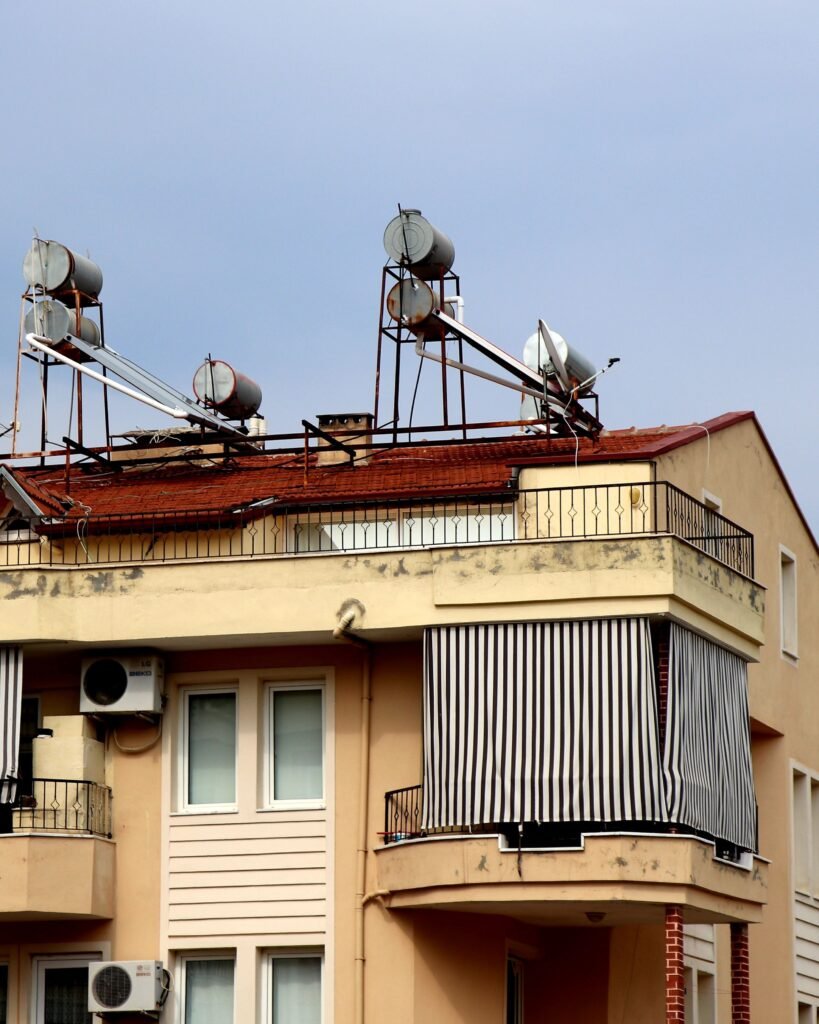
Three names. One shelf. The same basic promise of hot water without a rising electricity bill. If you have spent any time researching solar water heaters in India, you have almost certainly run into V-Guard, UTL, and Luminous within the first few minutes of searching, and you have probably also run into the same nagging question: which one is actually worth buying?
All three are established Indian brands with strong reputations in electrical and renewable energy products, and all three sell capable solar water heaters across similar capacities and price ranges. But they are not identical, and the differences between them matter more than marketing copy usually lets on.
Here is a straightforward comparison of V-Guard, UTL, and Luminous solar water heaters, covering what each brand actually brings to the table.
First, a Quick Word on Where Each Brand Comes From
Before comparing specific features, it helps to know the background each brand carries into the solar water heater category, since it shapes what each one prioritizes.
V-Guard built its reputation primarily in electrical appliances, stabilizers, and consumer durables before expanding into solar. Its solar water heaters reflect that consumer-electronics sensibility: compact design, accessible pricing, and broad availability through a vast retail and service network across India.
UTL Solar comes from a more specialized renewable energy background, having built its name primarily around solar power equipment, including inverters, panels, and pumps, before extending into water heating. This gives UTL’s solar water heater range a slightly more technically focused character, often appealing to buyers who are already invested in solar infrastructure for their homes.
Luminous is one of India’s most recognized names in power backup solutions, inverters, and batteries, and its move into solar water heaters carries forward a reputation built on reliability in power-related products. Luminous tends to compete heavily on brand trust and widespread service availability, particularly in tier-2 and tier-3 cities.
Build Quality and Technology: ETC Across the Board, with Small Differences
All three brands primarily offer evacuated tube collector, or ETC, technology in their popular solar water heater models, which is the more affordable and commonly available type in the Indian market, known for heating water efficiently even on moderately cloudy days.
V-Guard’s ETC tubes are generally well regarded for consistent manufacturing quality, and the brand’s compact, low-height tank design is a genuine practical advantage for crowded urban rooftops where space is limited.
UTL’s ETC systems tend to use slightly thicker glass tubing in some models, a detail the brand markets as added durability against hail and physical impact, though real-world feedback on this advantage varies and is worth verifying with local installers in your specific region.
Luminous’s solar water heaters use standard ETC tube technology comparable to its competitors, with the brand’s main differentiator being its integration options with existing Luminous inverter and battery systems for homes that already use Luminous products elsewhere, simplifying combined servicing and support.
Capacity Options: Who Offers What
Capacity availability is a practical concern that often decides which brand fits a given household, and there are some differences worth noting.
V-Guard’s solar water heater range commonly spans 100, 150, and 200 liter capacities, covering small families through to larger joint households comfortably, with the 100 and 150 liter models being the most widely stocked and available.
UTL offers a similarly broad range, typically from 100 liters up to 300 liters in some markets, with the brand positioning its larger-capacity models toward households or small commercial establishments such as guest houses and small hotels that need higher daily hot water volumes.
Luminous generally offers 100, 150, and 200 liter options as its core consumer range, mirroring V-Guard’s typical household focus rather than extending heavily into larger commercial capacities.
For a standard family of four to six people, all three brands offer suitable options in the 150 to 200 liter range, so capacity alone is unlikely to be the deciding factor between them.
Warranty and After-Sales Support
This is a category where brand reputation and service network depth genuinely matter, since a solar water heater is a long-term household fixture that occasionally needs servicing or warranty claims years after installation.
V-Guard offers warranties typically in the 5- to 7-year range on the tank and collector for most models, backed by one of the more extensive service networks among Indian appliance brands, with technicians available in most cities and many smaller towns.
UTL’s warranty terms are broadly comparable, generally in the 5 to 10-year range depending on the specific model, with some premium UTL models offering longer collector warranties, reflecting the brand’s solar-specialist positioning. Service availability is strong in regions where UTL has an established renewable energy dealer presence, though it can be somewhat less widespread than V-Guard or Luminous in certain smaller towns.
Luminous typically offers warranties in a similar 5- to 7-year range and benefits from the brand’s already substantial service infrastructure built around its inverter and battery business, which often means faster service response in areas where Luminous already has an established technician presence for other products.
Price Comparison: Where Each Brand Sits
Pricing across all three brands is broadly competitive, though small but consistent differences emerge at similar capacities.
V-Guard tends to price its solar water heaters at the more accessible end of the market, often making them the lowest-cost option among the three for equivalent 100 to 150 liter ETC models, which aligns with its consumer electronics positioning and broad retail strategy.
UTL generally prices slightly higher than V-Guard for comparable capacity and technology, reflecting its more specialized renewable energy brand positioning, though the gap is usually modest rather than dramatic.
Luminous tends to sit close to V-Guard in pricing for standard ETC models, occasionally pricing slightly higher for models bundled with smart monitoring features or extended warranty packages, where available.
For strictly budget-driven buyers comparing like-for-like capacity and technology, V-Guard frequently comes out as the most economical of the three, though promotional pricing and regional dealer variations can shift this at any given time.
Which Brand Should You Choose?
Choose V-Guard if you want the most space-efficient design for a crowded rooftop, the broadest general retail and service availability across India, and typically the most accessible pricing among the three.
Choose UTL if you already use or plan to use other UTL solar products such as inverters or panels; want access to higher capacity options for larger households or small commercial use; and are comfortable paying a small premium for the brand’s specialized solar positioning.
Choose Luminous if you already rely on Luminous inverters or batteries for power backup and want the convenience of dealing with a single brand’s service network across your home’s power and water heating needs, or if you simply trust the brand’s long-standing reputation in power-related products.
Frequently Asked Questions
Q1: Which is better, V-Guard, UTL, or Luminous, for a small family of four?
For a small family, all three brands offer suitable 100 to 150 liter ETC models. V-Guard typically offers the most accessible pricing and compact design for tighter rooftop spaces, making it a strong default choice unless you have a specific reason to prefer one of the other two brands.
Q2: Does UTL offer better capacity options than V-Guard or Luminous?
Yes, UTL generally offers a wider capacity range extending up to 300 liters in some models, which makes it a stronger choice for larger households or small commercial establishments compared to V-Guard and Luminous, which typically top out around 200 liters in their core consumer range.
Q3: Is it worth paying more for UTL over V-Guard for the same capacity?
This depends on your priorities. If you value UTL’s solar-specialist positioning, potentially longer warranty options, or already use UTL solar products elsewhere in your home, the modest price premium can be justified. For a strictly budget-focused buyer with no existing UTL products, V-Guard often delivers comparable performance at a lower price.
Q4: Does choosing Luminous make sense if I do not already own Luminous products?
Luminous solar water heaters perform comparably to V-Guard and UTL on their own merits, so the brand remains a reasonable choice even without existing Luminous products. The advantage of combined servicing is simply an added convenience for existing Luminous customers, not a requirement for considering the brand.
Q5: Which brand has the better service network in smaller towns and rural areas?
V-Guard and Luminous generally have broader service penetration into smaller towns due to their long-standing presence in general consumer electricals and power backup products, respectively. UTL’s service network, while solid in regions with established solar infrastructure, can be comparatively less widespread in some remote or rural areas.
There is no single winner among V-Guard, UTL, and Luminous solar water heaters in any absolute sense. Each brand carries forward strengths from where it built its original reputation, and the right choice depends less on which brand is objectively best and more on which one matches your household’s size, rooftop space, existing appliances, and local service availability.

My work focuses on finding the human stories behind the headlines, from documenting unique cultural traditions to covering stories from communities across Bengal. Previously, I worked as an SEO Content Writer with Penning Down and Collegedunia, combining digital content expertise with newsroom journalism.
I believe impactful journalism is built on accuracy, empathy, and stories that stay with readers.
- Amazon Coupon Code: Up to 70% Off Your Order - October 10, 2024
- Amazon Brand – Solimo 1000ml Stainless Steel Insulated (Thermosteel) Water Bottle | 24 Hours Hot and Cold | Leakproof, Rust and Corrosion Resistant| For Travel, Office, Trekking, Home (Silver) - October 9, 2024
- Panasonic Portable Oral Irrigator/Dental Water Flosser - April 10, 2016
Blog Insights
View All CouponTalk Blogs
12 Best LED Lighting Brands In India

10 Best Water Pump Brands In India
10 Best RO Membrane Brands In India
10 Best Electric Wire Brands In India

10 Best Electric Pressure Cooker Brands In India

11 Different Types of Saree Fabric

12 Different Types Of Jeans for Men & Women