Lithium vs. Lead-Acid Solar Battery: 6 Differences You Should Know

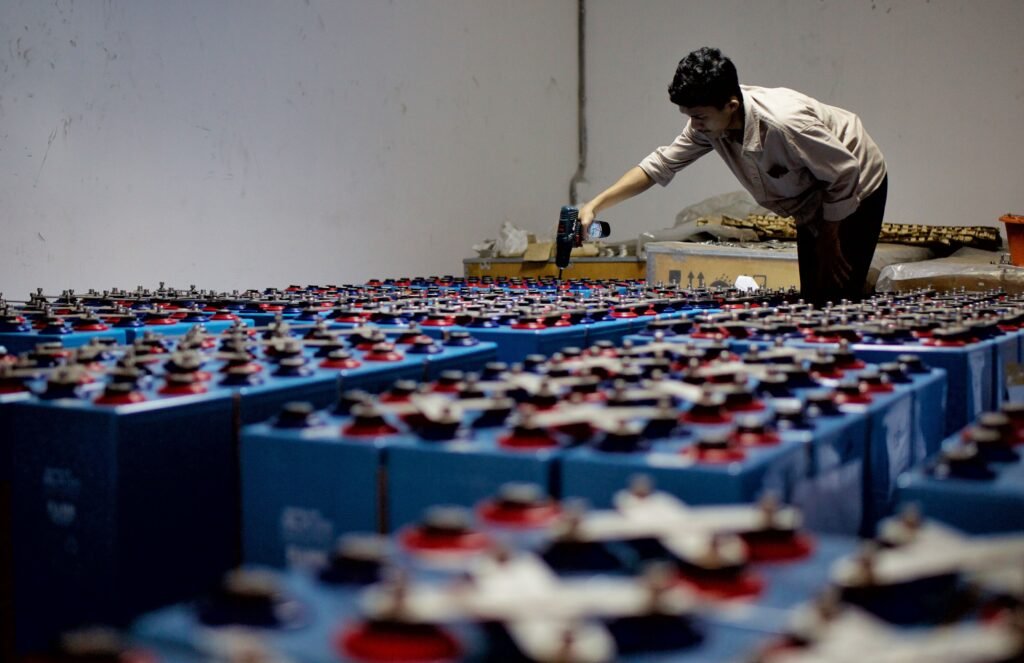
A solar panel array on its own only solves half the problem. Panels generate power when the sun is out, but homes need electricity around the clock, in the evening, through the night, and during cloudy spells. That gap is where the battery comes in, quietly doing work that the panels alone never could.
But not all solar batteries are built the same way, and the choice between lithium and lead-acid is one of the most consequential decisions in any solar installation, off-grid or hybrid. It affects how much you spend upfront, how long the system lasts, how much maintenance you sign up for, and ultimately, how much real value you get out of every rupee invested in storage.
Here are the six differences that matter most when comparing a lithium solar battery against a lead-acid one.
First, a Quick Word on What Each Battery Actually Is
Before getting into the differences, a brief grounding in what these two battery types actually are.
Lead-acid batteries are the older, more established technology, the same basic chemistry used in car batteries for over a century, adapted for deep-cycle solar storage applications. They are widely available, well understood by installers across India, and have historically been the default choice for solar systems simply because they came first and cost less upfront.
Lithium batteries, more specifically lithium-ion or lithium iron phosphate (LiFePO₄) batteries in the solar context, are the newer technology that has rapidly gained ground over the past decade. They offer significant improvements in efficiency, lifespan, and maintenance, though typically at a higher initial price.
With both defined, here is how they actually compare.
1. Lifespan: The Gap That Changes Everything
This is arguably the single most important difference between a lithium and a lead-acid solar battery because it directly affects long-term cost.
Lead-acid batteries typically last 3 to 5 years in a solar application, depending on usage patterns and how deeply they are discharged on a regular basis. Frequent deep discharges accelerate degradation significantly, which means a lead-acid battery used carelessly can fail even faster than its rated lifespan suggests.
Lithium batteries, particularly LiFePO₄ chemistry, typically last 8 to 15 years, with some premium models rated for over 6,000 charge cycles compared to roughly 500 to 1,000 cycles for a typical lead-acid battery. In practical terms, this means a household might replace its lead-acid battery bank two or three times over the same period that a single lithium battery installation remains in service.
2. Depth of Discharge: How Much Capacity You Actually Get to Use
Depth of discharge, often abbreviated as DoD, refers to how much of a battery’s total capacity can be safely used before recharging, without significantly shortening its lifespan. This is a difference that catches many first-time solar buyers off guard, because the advertised capacity and the usable capacity are not the same number.
Lead-acid batteries generally have a recommended depth of discharge of only 50 percent. Discharging a lead-acid battery beyond this point repeatedly causes accelerated sulfation and permanent capacity loss, meaning a 100 Ah lead-acid battery effectively delivers only about 50 Ah of safely usable storage.
Lithium batteries can typically be discharged to an 80 to 100 percent depth of discharge without meaningful impact on lifespan. This means a 100 Ah lithium battery delivers close to its full rated capacity in actual usable storage, which effectively means you need a smaller, less expensive lithium battery bank to achieve the same usable storage as a much larger lead-acid setup.
3. Maintenance Requirements: Hands-On vs. Hands-Off
The day-to-day demands of owning each battery type differ substantially, and this is a difference that becomes more apparent the longer you own the system.
Lead-acid batteries, particularly the flooded lead-acid variety still common in budget installations, require regular maintenance, including periodic water top-ups, terminal cleaning to prevent corrosion, and monitoring of electrolyte levels. Sealed maintenance-free lead-acid variants exist and reduce some of this burden, but they still degrade faster overall and require more careful charge management than lithium alternatives.
Lithium batteries are essentially maintenance-free for the average homeowner. They do not require water top-ups, are sealed units with built-in battery management systems that automatically protect against overcharging and deep discharge, and need little beyond occasional visual inspection and ensuring proper ventilation around the installation.
4. Charging Efficiency and Speed
How efficiently a battery converts incoming solar power into stored energy, and how quickly it can be recharged, has a direct impact on how well your overall solar system performs, especially during shorter winter days with less available sunlight.
Lead-acid batteries have a charging efficiency typically in the range of 80 to 85 percent, meaning a meaningful portion of the solar energy generated is lost as heat during the charging process rather than being stored for later use. They also charge more slowly and require careful, staged charging profiles to avoid damage, which can mean longer recharge times after a depleted battery.
Lithium batteries achieve charging efficiency of around 95 to 98 percent, losing far less energy in the process. They also accept charge faster and more consistently across a wider range of charge states, which translates into more usable stored energy from the same solar panel array, particularly valuable during monsoon season or shorter winter daylight hours.
5. Upfront Cost vs. Total Cost of Ownership
Cost is where lead-acid batteries still hold a genuine advantage, at least at first glance, and it is the reason they remain common in budget-conscious Indian solar installations.
Lead-acid batteries cost considerably less upfront, often 40 to 60 percent cheaper than an equivalent capacity lithium battery for the initial purchase. For buyers with a tight budget and immediate installation needs, this lower entry cost is a real and legitimate consideration.
Lithium batteries cost more initially, but the calculation changes significantly when viewed over a 10- to 15-year horizon. Because lead-acid batteries need replacement two to three times during that period, while a single lithium battery installation often lasts the full duration, the total cost of ownership frequently favors lithium once replacement costs, lower usable capacity requiring larger battery banks, and charging inefficiency are all factored in.
For installations with a longer planning horizon, lithium typically works out cheaper overall despite the higher sticker price at the time of purchase.
6. Size, Weight, and Safety Considerations
The final difference is more physical than financial, but it affects installation logistics and long-term safety in ways worth understanding.
Lead-acid batteries are significantly heavier and bulkier for the same usable capacity, given their lower depth of discharge and older chemistry. This means more floor or wall space is needed for installation, and the batteries are harder to relocate or replace without assistance once installed. They also produce hydrogen gas during charging, requiring proper ventilation in the installation area to avoid any risk of gas accumulation.
Lithium batteries are considerably lighter and more compact for the same usable storage capacity, making installation easier and allowing for more flexible placement within a home or utility space. LiFePO4 chemistry specifically is also considered one of the safer lithium chemistries, with a lower risk of thermal runaway compared to other lithium-ion variants, though proper installation by a qualified technician remains important regardless of battery type.
So, Which Should You Choose?
If your budget is tight and you need a working solar storage solution immediately, with the understanding that you will likely replace the battery within five years, lead-acid remains a legitimate, functional choice, particularly for smaller installations or backup-only use cases.
If you are planning a long-term solar investment, particularly for an off-grid or hybrid system that you expect to rely on for a decade or more, lithium is almost always the better financial and practical decision once total cost of ownership, maintenance effort, and usable capacity are all weighed together.
Frequently Asked Questions
Q1: Can I replace a lead-acid solar battery with a lithium one in an existing system?
In many cases, yes, but it depends on your existing inverter or charge controller’s compatibility with lithium battery management systems. Some older systems may require a controller upgrade alongside the battery replacement, so consulting your installer before switching is recommended.
Q2: Is lithium battery technology safe for home solar installations in India?
Yes, particularly LiFePO₄ chemistry, which is widely regarded as one of the safer lithium battery types due to its thermal stability. Proper installation, ventilation, and adherence to manufacturer guidelines remain important for any battery type, lithium or lead-acid.
Q3: How much more expensive is lithium compared to lead-acid for the same capacity?
Lithium batteries typically cost 60 to 100 percent more upfront than an equivalent-rated-capacity lead-acid battery. However, because lithium allows a much higher usable depth of discharge, the effective cost difference for the same usable storage is often smaller than the headline price suggests.
Q4: Do lithium solar batteries work well in Indian summer heat?
Yes, lithium batteries generally perform well across a wide temperature range and tend to handle high ambient temperatures better than lead-acid batteries, which can experience accelerated degradation and water loss in extreme heat without diligent maintenance.
Q5: Which battery type is better for off-grid solar systems in remote areas?
Lithium is generally preferable for off-grid systems due to its lower maintenance requirements, which matters significantly in remote locations where regular servicing is difficult to arrange. However, lead-acid remains common in budget rural installations, where upfront cost outweighs long-term convenience.
A solar battery is not a one-time purchase decision so much as a decade-long relationship with your home’s power supply. Lead-acid offers a lower entry point but asks for more attention and more frequent replacement. Lithium asks for a larger investment upfront but rewards that investment with years of quiet, low-maintenance reliability. Choosing between them is really a choice about how you want to spend your money: a little now and often, or more now and rarely again.

My work focuses on finding the human stories behind the headlines, from documenting unique cultural traditions to covering stories from communities across Bengal. Previously, I worked as an SEO Content Writer with Penning Down and Collegedunia, combining digital content expertise with newsroom journalism.
I believe impactful journalism is built on accuracy, empathy, and stories that stay with readers.
- Amazon Coupon Code: Up to 70% Off Your Order - October 10, 2024
- Amazon Brand – Solimo 1000ml Stainless Steel Insulated (Thermosteel) Water Bottle | 24 Hours Hot and Cold | Leakproof, Rust and Corrosion Resistant| For Travel, Office, Trekking, Home (Silver) - October 9, 2024
- Panasonic Portable Oral Irrigator/Dental Water Flosser - April 10, 2016
Blog Insights
View All CouponTalk Blogs
12 Best LED Lighting Brands In India

10 Best Water Pump Brands In India
10 Best RO Membrane Brands In India
10 Best Electric Wire Brands In India