When to Replace a Bike Tyre in India: Signs to Check

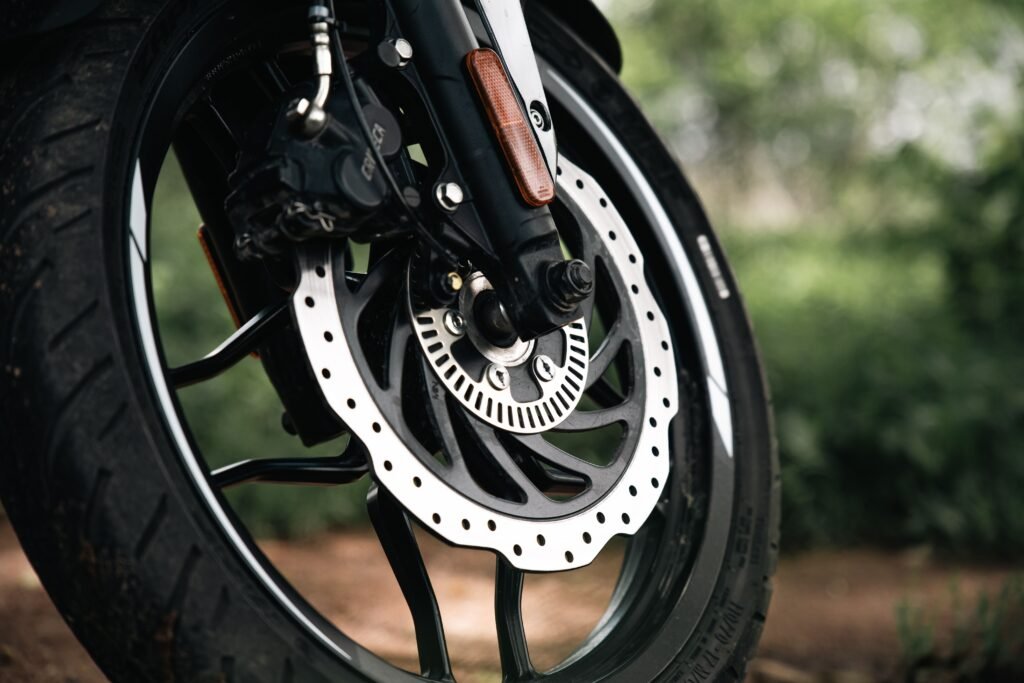
Most riders notice a tyre only when it goes flat.
By that point, the tyre has often been overdue for replacement for months. Worn tyres do not suddenly fail. They deteriorate gradually. Grip reduces. Handling changes. The risk of a blowout increases slowly and invisibly.
Knowing when to replace a bike tyre before a problem occurs is one of the simplest and most effective safety habits a rider can develop. This guide covers every sign to look for.
Sign 1: Tread Depth Is Below the Safe Limit
Tread depth is the most important indicator of tyre health. Grooves in the tyre surface channel water away during wet riding. As these grooves wear down, wet grip reduces significantly.
Most bike tyres have tread wear indicators built into the groove base. These are small raised rubber blocks inside the tread grooves. When the surrounding tread wears down to the level of these indicators, replacement is due immediately.
How to check:
- Look inside the main tread grooves for small raised blocks.
- If the tyre surface is level with these blocks, replace it immediately.
- If no indicators are visible, use a tread depth gauge. Safe minimum depth is 1 mm for most tyres.
- A simple visual check also works. Deep, clearly visible grooves indicate good tread remaining. Shallow, barely visible grooves indicate replacement is near.
Indian roads create specific tread wear challenges. Potholes, speed breakers, and rough surfaces accelerate wear. Check tread depth more frequently than the standard recommendation.
Sign 2: Visible Cracking or Crazing
Rubber degrades over time even without heavy use. UV exposure, heat, and ozone cause the rubber compound to crack. This process is called crazing or dry rot.
What to look for:
- Fine hairline cracks across the tyre sidewall.
- Cracking between tread blocks on the tyre surface.
- A dry, brittle appearance to the rubber rather than smooth and flexible.
- Cracks that open slightly when the tyre is flexed.
Sidewall cracks are particularly dangerous. The sidewall flexes with every rotation. Cracks in this area can propagate rapidly under load and cause a sudden blowout.
Indian summers accelerate rubber ageing significantly. Even a tyre with good tread depth may need replacement due to cracking caused by heat and UV exposure.
Sign 3: Tyre Age Exceeds Five Years
Tyres have a lifespan regardless of tread depth. Rubber compounds degrade chemically over time. A five-year-old tyre with remaining tread is still a tyre at elevated risk of failure.
How to check the manufacturing date:
Every tyre has a DOT code moulded into the sidewall. The last four digits indicate the manufacturing date. The first two digits are the week of manufacture. The last two digits are the year.
For example:
- 2319 means the 23rd week of 2019.
- 0421 means the 4th week of 2021.
Recommendation:
- Replace tyres older than five years regardless of apparent condition.
- Inspect tyres older than three years more frequently for cracking and hardening.
- Never use a tyre older than seven years under any circumstances.
This is especially relevant for bikes stored for extended periods. A low-mileage bike stored outside in Indian heat may have tyres that look usable but are chemically degraded.
Sign 4: Bulges or Deformities in the Tyre
A bulge anywhere on a tyre indicates internal structural damage. The inner cords that give the tyre its strength have broken. The rubber is being pushed outward by tyre pressure at the weakened point.
Where bulges appear:
- On the sidewall, there is a visible, rounded lump.
- Across the tread area is an irregular raised section.
- At the bead area where the tyre meets the rim.
A bulge is not a warning sign. It is an emergency. Internal structural failure can cause sudden and complete tyre failure at any moment. Riding on a bulged tyre is genuinely dangerous.
Replace immediately when any bulge is found. There is no safe repair for a bulged tyre.
Sign 5: Centre Tread Is More Worn Than the Edges
Most bike riding happens in a straight line. This concentrates wear in the centre of the tyre. When the centre wears significantly more than the edges, the tyre develops a flat or squared-off profile.
Why this matters:
A tyre with a squared-off centre profile handles differently from a properly rounded tyre. Cornering becomes less predictable. The bike may feel unstable when entering and exiting bends. This is particularly noticeable on Indian highway riding.
How to check:
Stand behind the bike and look at the rear tyre profile. A healthy tyre has a rounded profile. A worn tyre shows a flattened band across the centre. This flat section will be visibly shinier than the edges due to the different wear pattern.
When the flat section becomes wider than approximately a third of the total tyre width, replacement is due.
Sign 6: Persistent Vibration or Handling Changes
Tyres that are worn unevenly create vibration through the handlebars or seat. If the bike has developed a new vibration on smooth roads, the tyres are a likely cause.
Other handling changes indicating worn tyres:
- The bike feels less stable during braking.
- Cornering requires more effort or feels less predictable.
- The bike wanders on straight roads at highway speeds.
- Braking distances seem longer than before on the same surfaces.
These handling changes develop gradually. Riders often adapt to them without noticing. Comparing the bike’s current handling to how it felt on new tyres is a useful mental check.
Sign 7: Tyre Has Been Repaired Multiple Times
A single puncture repair is generally acceptable. Multiple repairs on the same tyre compromise structural integrity progressively. The rubber around each repair site is weakened.
When multiple repairs become a concern:
- More than two puncture repairs on the same tyre.
- A repair is located on the sidewall rather than the tread area.
- A repair using a plug rather than a proper patch from the inside.
- Any repair that a professional tyre shop did not do.
Sidewall repairs in particular are never safe long-term. The sidewall flexes constantly. Repairs in this area fail under normal riding conditions.
Sign 8: Tyre Pressure Drops Regularly Without Obvious Cause
A healthy tyre with no punctures holds pressure for weeks. A tyre that requires topping up every few days has a slow leak. This may come from a nail or small object embedded in the tread, a valve issue, or a developing crack in the tyre structure.
What to do:
- Inspect the tyre surface carefully for embedded objects.
- Check the valve for leaks using soapy water.
- If no external cause is found, the tyre structure may be compromised.
- A professional tyre fitter should inspect a tyre with unexplained slow leaks.
How Indian Road Conditions Affect Tyre Life
Indian roads create specific conditions that accelerate tyre wear and damage.
Factors that reduce tyre lifespan in India:
- Potholes: Impact damage can cause sudden internal cord failure. Hitting a pothole at speed is a common cause of sidewall bulges.
- Speed breakers: Repeated impacts at speed breakers stress the tyre bead and sidewall.
- Heat: Road surface temperatures in Indian summers can exceed 60 degrees Celsius. This accelerates rubber compound degradation significantly.
- Road debris: Sharp stones, metal scraps, and construction debris cause more punctures and embedded damage than typical road conditions elsewhere.
- Overloading: Carrying two passengers plus luggage on a 150cc bike exceeds the tyre’s load rating. Overloading accelerates wear and increases blowout risk dramatically.
Given these conditions, Indian riders should check their tyres more frequently than the recommendations provided for milder climates. A monthly visual inspection is a reasonable minimum.
Recommended Tyre Replacement Intervals for Indian Bikes
These are approximate guidelines based on typical Indian riding conditions.
| Bike Category | Front Tyre | Rear Tyre |
| Commuter 100 to 125cc | 25,000 to 35,000 km | 15,000 to 25,000 km |
| 150 to 200cc | 20,000 to 30,000 km | 12,000 to 20,000 km |
| Performance 250cc plus | 15,000 to 25,000 km | 10,000 to 15,000 km |
Rear tyres wear faster than front tyres on most bikes. This is because rear tyres handle acceleration forces in addition to braking and cornering loads.
These intervals are guides only. Actual wear depends heavily on riding style, road surfaces, load carried, and tyre brand.
Quick Monthly Tyre Check Routine
Build this check into regular maintenance.
- Look at tread depth. Grooves should be clearly visible and deep.
- Check for cracking on sidewalls and tread blocks.
- Look for any bulges or deformities.
- Check tyre pressure with a gauge. Compare to the manufacturer’s specification.
- Look for embedded objects such as nails or stones.
- Note any changes in handling or vibration since the last check.
This check takes less than five minutes. It identifies most problems before they become dangerous.
Final Thoughts
Tyre replacement is not a purchase to defer until failure. A failed tyre at speed can cause serious injury or worse. The cost of replacement is significantly less than the cost of an accident.
Checking tyres regularly removes uncertainty. The signs listed above are visible to anyone who looks. None of them requires special equipment or mechanical expertise: just attention and a few minutes of inspection.
Good tyres are not a bike accessory. They are the only thing connecting the bike to the road. Treating them accordingly is basic riding safety.

My work focuses on finding the human stories behind the headlines, from documenting unique cultural traditions to covering stories from communities across Bengal. Previously, I worked as an SEO Content Writer with Penning Down and Collegedunia, combining digital content expertise with newsroom journalism.
I believe impactful journalism is built on accuracy, empathy, and stories that stay with readers.
- Cocoa Butter Formula, Body Massage Lotion for Stretch Marks - April 9, 2016
- Ultra-calming makeup removing wipes - April 9, 2016
- Eczema therapy hand cream - April 9, 2016
Blog Insights
View All CouponTalk Blogs
12 Best LED Lighting Brands In India

10 Best Water Pump Brands In India
10 Best RO Membrane Brands In India

10 Best Electric Wire Brands In India

10 Best Electric Pressure Cooker Brands In India

10 Best Air Fryer Brands In India