How to Clean the Inside of a Bike Helmet

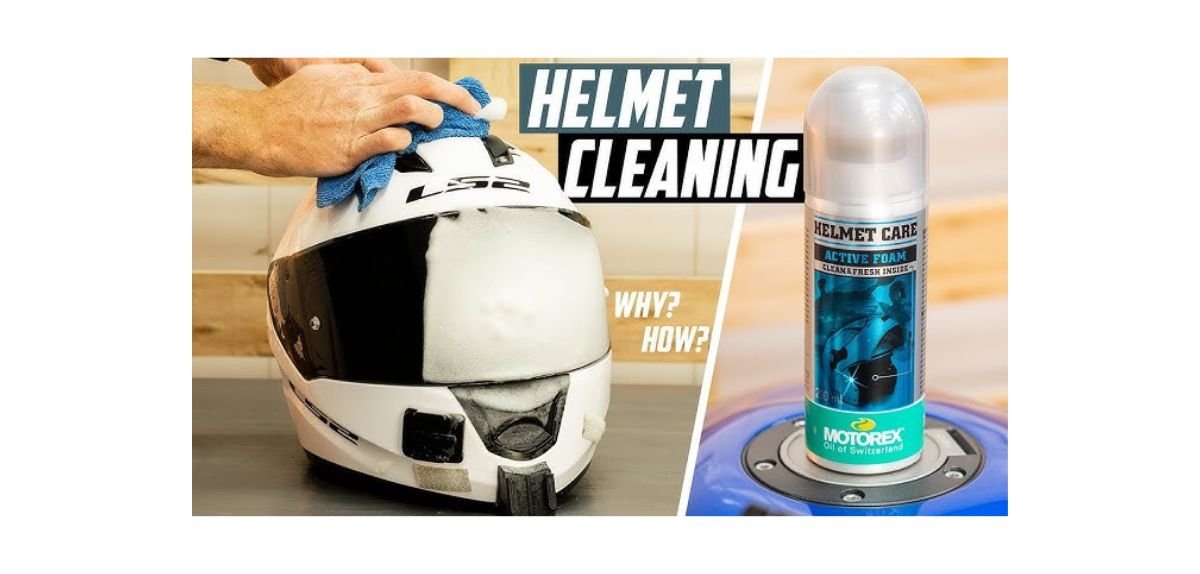
Most riders clean their bikes regularly. The helmet gets forgotten. Yet the inside of a helmet absorbs sweat every single ride. Bacteria build up over time. Odours develop. Padding degrades faster without proper care. Regular cleaning keeps the helmet hygienic and functional.
This guide covers everything needed to clean the inside of a bike helmet properly.
Why Cleaning the Inside Matters
The inner lining of a helmet sits directly against the skin. Sweat soaks into the padding after every ride. Bacteria thrive in warm, moist environments. This leads to odor, skin irritation, and degraded padding over time.
A dirty helmet also affects fit. Compressed or deteriorated padding changes how the helmet sits. This reduces both comfort and protection. Clean padding maintains its shape and density longer. Regular maintenance extends helmet lifespan significantly.
What Is Needed Before Starting
Gather these items before beginning.
- Mild soap or baby shampoo
- Lukewarm water
- A soft cloth or sponge
- A small soft-bristled brush
- Clean dry towels
- A bowl or basin
Avoid harsh chemicals entirely. Bleach damages foam and fabric. Strong detergents break down adhesives. Acetone or alcohol dissolves protective coatings. Stick to mild, gentle cleaning agents only.
Step 1: Remove the Padding and Liners
Most modern helmets have removable padding. Check the inside carefully for snaps or velcro. Gently pull each pad free. Set them aside separately. Some helmets have a fully removable liner. This comes out in one or two pieces. Cheek pads on full-face helmets detach separately.
If padding does not detach, do not force it. Some helmets have fixed interiors. Those require a different cleaning approach, covered below.
Step 2: Wash Removable Padding by Hand
Fill a bowl with lukewarm water. Add a small amount of mild soap. Submerge the padding pieces. Gently squeeze and knead each piece. Work the soapy water through the foam. Do not scrub aggressively. Aggressive scrubbing tears the foam structure.
Rinse each piece thoroughly under clean water. Squeeze out excess water gently. Never wring or twist the padding. Wringing distorts the shape permanently.
Step 3: Clean the Hard Shell Interior
The inside surface of the shell needs cleaning, too. Dip a soft cloth in the soapy water. Wring it out so it is damp, not wet. Wipe the interior shell surface carefully. Pay attention to ventilation channel edges. Bacteria accumulate in narrow channels. Use a soft-bristled brush for those areas. Rinse the cloth and wipe once more with clean water.
Avoid soaking the interior shell. Water trapped inside takes a long time to dry. Moisture trapped near the EPS foam can cause damage over time.
Step 4: Clean Fixed Padding
For helmets with fixed, non-removable padding, use a damp cloth only. Dip the cloth in mild, soapy water. Wring it out very well. The cloth should be barely damp. Gently blot and wipe the padding surfaces. Work in small sections. Allow each section to dry slightly before moving on.
Do not saturate fixed padding with water. Excess moisture soaks into the EPS foam beneath. This can compromise impact protection over time.
Step 5: Dry Everything Properly
Drying is as important as washing. Lay removable pads on a clean, dry towel. Reshape them gently if needed. Allow them to air dry completely. Place them in a well-ventilated area. Avoid direct sunlight during drying. UV exposure degrades foam and fabric faster.
Never use a hairdryer on helmet padding. Heat damages the EPS foam’s integrity. It also shrinks fabric and distorts shapes. Room-temperature air drying is the only safe method.
Drying time is typically 12 to 24 hours. Ensure everything is completely dry before reassembling. Reassembling damp padding causes odor to return quickly.
Step 6: Reassemble the Helmet
Once all pieces are completely dry, reassemble carefully. Align each pad with its correct position. Press velcro or snaps firmly back into place. Check that cheek pads sit symmetrically. Test the fit by wearing the helmet briefly. Everything should feel secure and properly positioned.
How Often Should the Helmet Be Cleaned
Cleaning frequency depends on riding habits.
- Daily commuters: Clean inner padding once every two weeks.
- Weekend riders: Clean once per month.
- After heavy sweat sessions: Clean within 24 hours.
- After rain riding: Wipe the interior and allow it to dry fully before storage.
The outer shell can be wiped down after every few rides. The interior needs less frequent but more thorough attention.
Tips for Keeping the Helmet Fresh Between Cleans
Several habits reduce odor and bacteria buildup between full cleanings.
- Air the helmet after every ride. Remove it from the bag or bike. Leave it in the open air for an hour. This allows moisture to evaporate.
- Use a helmet liner or balaclava. These thin fabric covers absorb sweat before it reaches the padding. They wash easily and extend the time between deep cleans.
- Avoid storing in a hot bag. Heat accelerates bacterial growth. Store the helmet in a cool, dry place.
- Spray a light mist of baking soda solution occasionally. One teaspoon of baking soda dissolved in water neutralizes odors effectively. Spray lightly and allow to air dry.
- Never store a damp helmet. Always ensure the interior is dry before putting the helmet away.
What Not to Do When Cleaning
Certain cleaning mistakes cause damage rather than helping.
- Do not put the helmet in a washing machine. The spin cycle damages the EPS foam completely. Machine washing destroys the protective structure.
- Do not use petrol or solvents. These dissolve the outer shell coating. They also damage the inner foam integrity.
- Do not scrub with abrasive materials. Steel wool or rough scrubbers scratch surfaces and tear padding.
- Do not use perfumed sprays directly inside. Alcohol-based sprays damage foam. Strong perfume masks odors without addressing bacteria.
- Do not dry in direct sunlight. UV radiation degrades both fabric and foam faster than normal aging.
When to Replace Helmet Padding
Even with excellent care, padding wears out eventually. Signs that replacement is needed include permanent compression that does not recover, visible tears or deterioration in the foam, persistent odor that cleaning does not remove, and changes in helmet fit caused by thinned padding.
Many helmet brands sell replacement padding separately. Check the brand website for compatible replacements. Using correct replacement pads maintains proper fit and protection.
When to Replace the Entire Helmet
Cleaning extends helmet life. It does not make a compromised helmet safe again. Replace the entire helmet in these situations.
- After any significant impact, even if the damage is invisible.
- After five years of regular use, regardless of condition.
- If the EPS foam shows any visible cracks or damage.
- If the outer shell shows deep scratches or cracks.
- If the retention system buckle breaks or stops functioning properly.
The EPS foam inside a helmet absorbs impact by deforming. This process is largely permanent. A helmet that has taken a serious impact may look fine externally but offer reduced protection internally.
FAQs
1. How often should I clean the inside of my bike helmet?
Clean the interior every two weeks if you ride daily, once a month for occasional riding, and after heavy sweating or riding in the rain to keep it fresh and hygienic.
2. Can I wash my bike helmet in a washing machine?
No. Washing machines can damage the EPS foam, padding, and protective structure. Always clean your helmet by hand using mild soap and lukewarm water.
3. What cleaning products are safe for a bike helmet?
Use mild soap or baby shampoo with lukewarm water. Avoid bleach, alcohol, acetone, strong detergents, and solvents, as they can damage the helmet’s materials.
4. How long does a bike helmet take to dry after cleaning?
Most helmets take 12–24 hours to air dry completely. Let all padding dry fully before reassembling to prevent odors, mold, and bacterial growth.
5. When should I replace my bike helmet instead of just cleaning it?
Replace your helmet after any significant impact, after about five years of regular use, or if it has cracked foam, a damaged shell, worn-out retention straps, or padding that no longer fits properly.
Final Thoughts
Cleaning the inside of a bike helmet is simple. It takes less than thirty minutes. The benefits are significant. A clean helmet is more hygienic, more comfortable, and longer lasting.
Clean padding maintains its protective properties better. Fresh, dry foam performs closer to its original specification. This matters most when the helmet is needed most.
Good helmet care is part of good riding habits. Maintaining the equipment properly reflects taking safety seriously.

My work focuses on finding the human stories behind the headlines, from documenting unique cultural traditions to covering stories from communities across Bengal. Previously, I worked as an SEO Content Writer with Penning Down and Collegedunia, combining digital content expertise with newsroom journalism.
I believe impactful journalism is built on accuracy, empathy, and stories that stay with readers.
- Cocoa Butter Formula, Body Massage Lotion for Stretch Marks - April 9, 2016
- Ultra-calming makeup removing wipes - April 9, 2016
- Eczema therapy hand cream - April 9, 2016
Blog Insights
View All CouponTalk Blogs
12 Best LED Lighting Brands In India

10 Best Water Pump Brands In India
10 Best RO Membrane Brands In India

10 Best Electric Wire Brands In India

10 Best Electric Pressure Cooker Brands In India

10 Best Air Fryer Brands In India